
Selecting the right stamping parts supplier requires a strategic evaluation of three critical operational dimensions that directly impact your production success. Manufacturing decision-makers must systematically assess production area capacity, equi...
VIEW MORE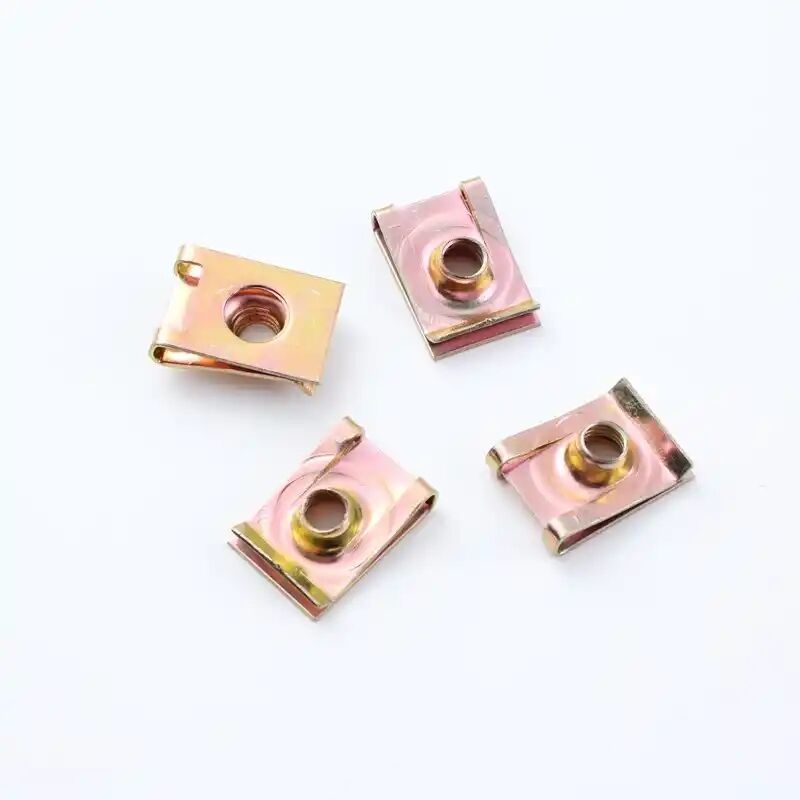
Critical bolts in structural, aerospace, automotive, and industrial applications must withstand extreme forces and environmental conditions throughout their service life. The mechanical properties of these fasteners directly determine whether they wi...
VIEW MORE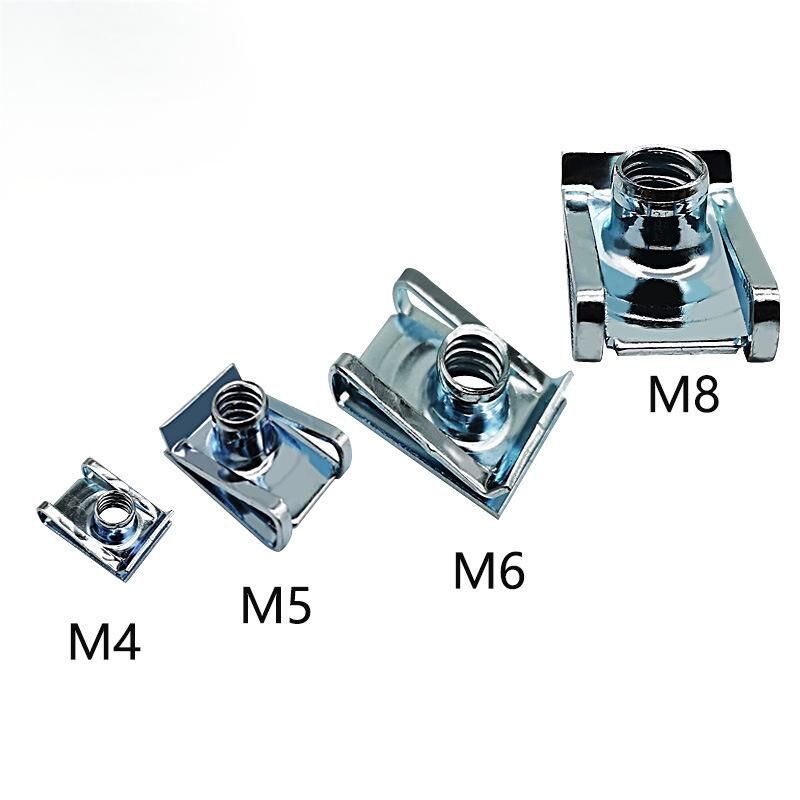
Bolts equipped with prevailing torque features represent a critical advancement in fastener technology, specifically designed to address one of the most persistent challenges in mechanical assemblies: self-loosening under dynamic loading conditions. ...
VIEW MORE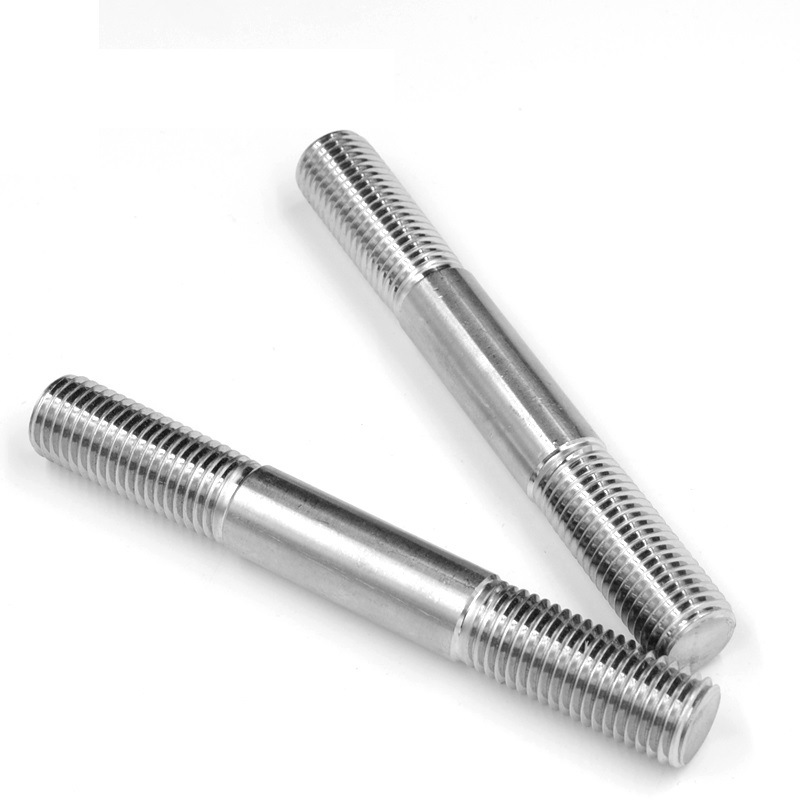
The accuracy of torque-tension relationships in fastener applications directly depends on thread lubrication conditions, making bolt thread lubrication one of the most critical variables in achieving precise joint preload. When torque is applied to a...
VIEW MORE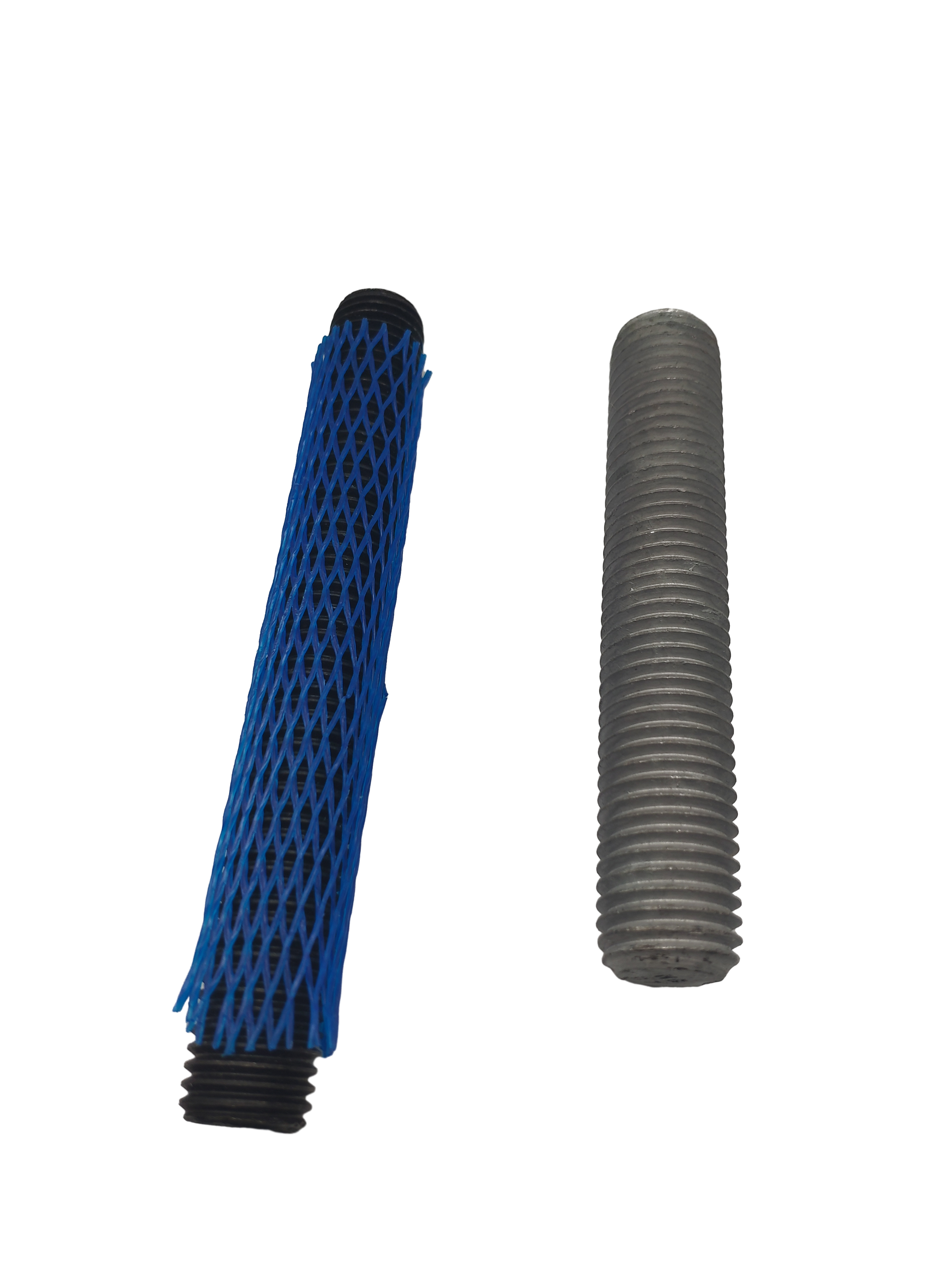
Minimizing material waste during the blanking process represents one of the most critical challenges in modern manufacturing, directly impacting both production costs and environmental sustainability. Effective stamping part designs require careful c...
VIEW MORE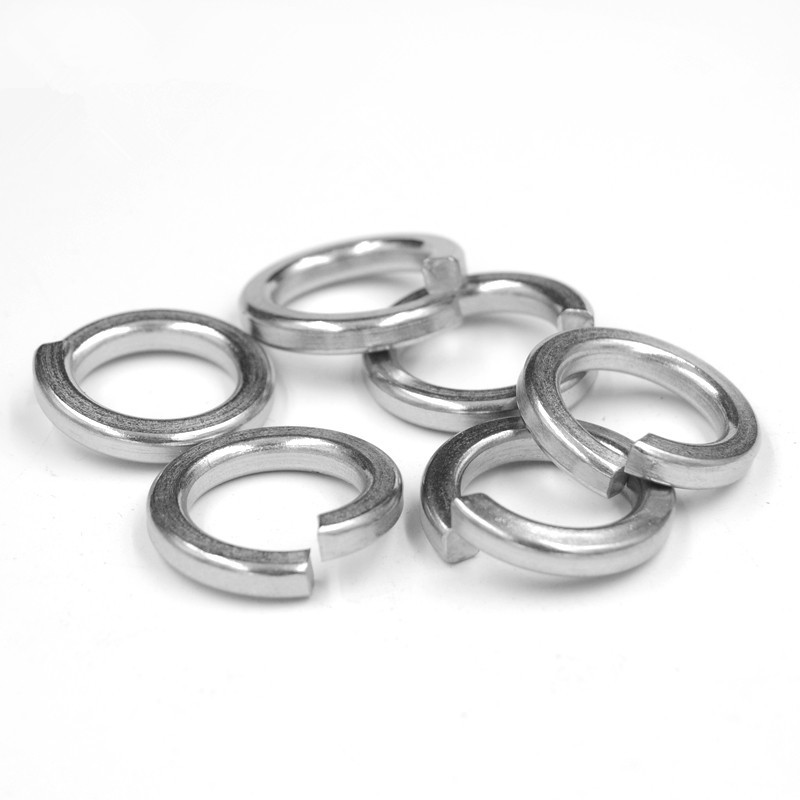
Flange bolts represent a critical advancement in fastening technology, specifically engineered to address the inherent safety challenges that arise when applications demand wider load distribution across connected components. Unlike conventional hex ...
VIEW MORE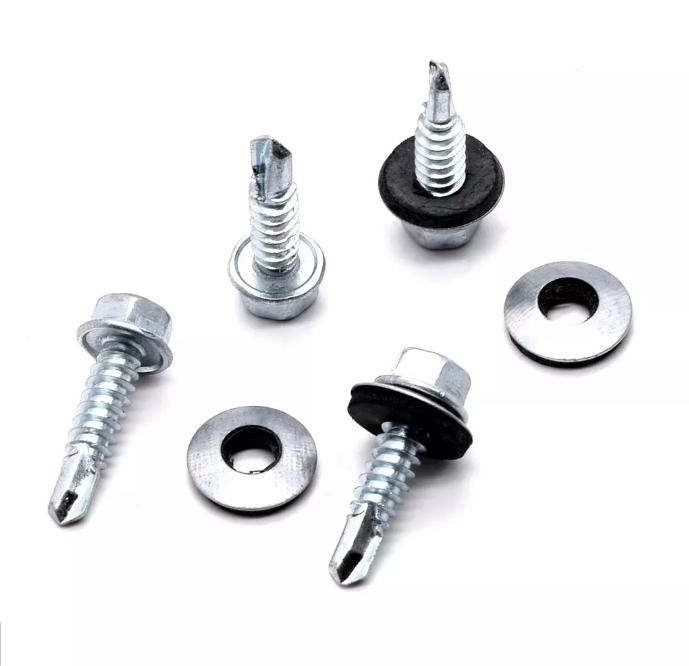
Marine and coastal environments present some of the most challenging conditions for fasteners, where salt spray, humidity, and constant moisture exposure can rapidly degrade unprotected metal components. Selecting the appropriate bolt coating becomes...
VIEW MORE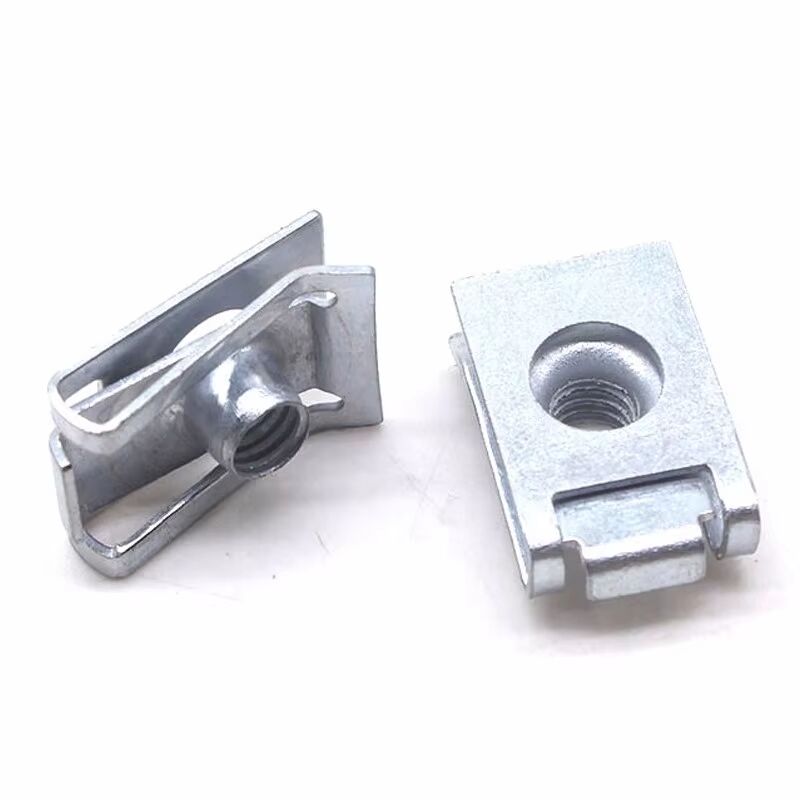
Understanding bolt failure modes is critical for engineers, maintenance professionals, and anyone involved in structural design and assembly. When bolts fail in service, the consequences can range from minor maintenance issues to catastrophic structu...
VIEW MORE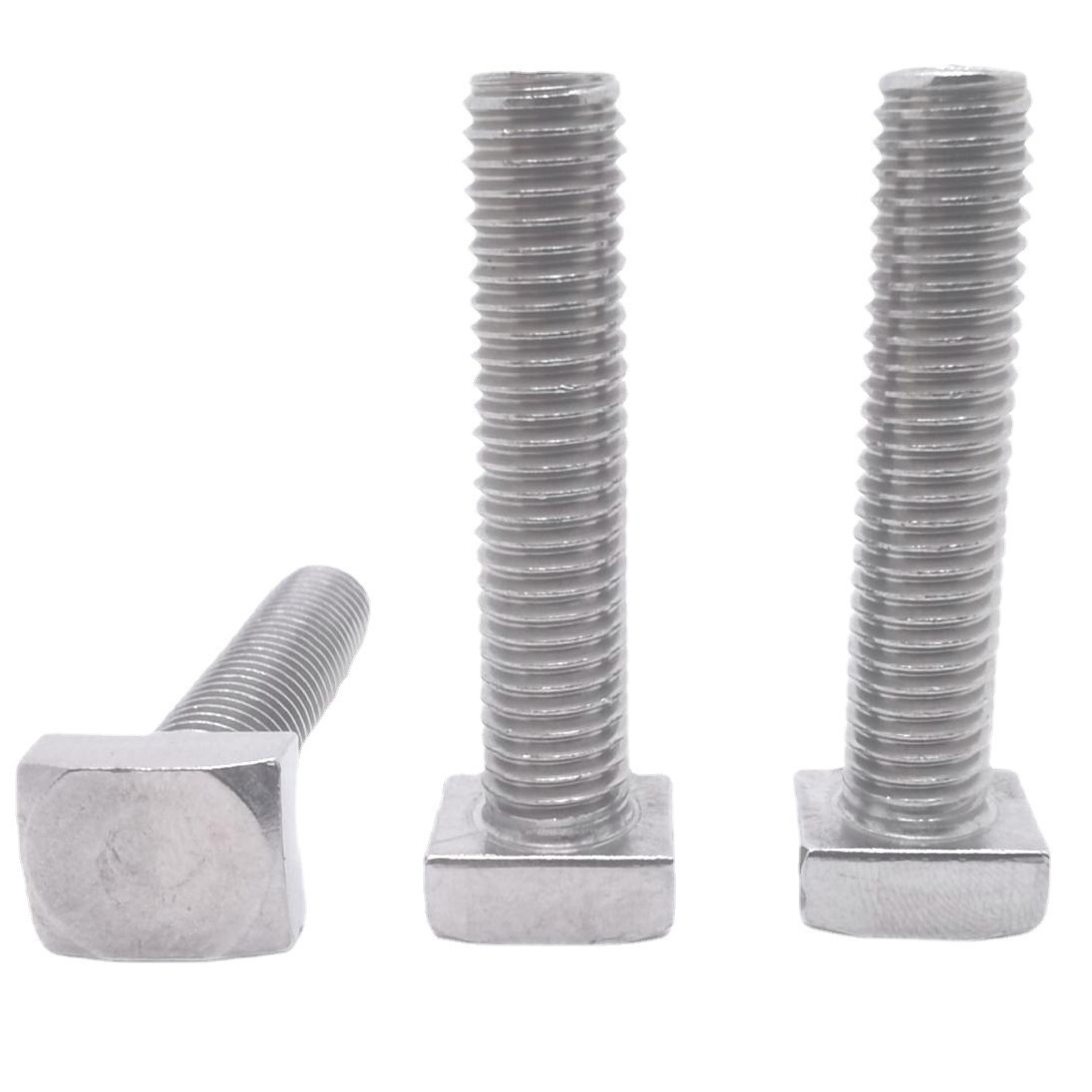
Proper bolt and nut grade matching is fundamental to achieving reliable joint integrity in mechanical assemblies. When engineers specify fasteners for critical applications, the material properties and strength ratings of both the bolt and nut must b...
VIEW MORE
Understanding the fundamental differences between partially threaded and fully threaded bolts is essential for engineers, contractors, and procurement professionals making critical fastener decisions. These two distinct bolt configurations serve diff...
VIEW MORE
High-grade bolts serve as critical safety components in heavy machinery applications where failure is not an option. In industrial environments, the difference between a standard fastener and a high-grade bolt can determine whether equipment operates...
VIEW MORE
Selecting the appropriate bolt grade for structural connections in heavy machinery assembly represents one of the most critical engineering decisions that directly impacts equipment safety, operational reliability, and long-term performance. The bolt...
VIEW MORE
Since 2005 SSF has been your competent partner for the production of high-quality washers and stamping parts according to DIN/ISO standards and customer specifications.
Zhengjia Town, Liaocheng City, Shandong Province, China
Copyright © 2026 SSF Industrial Co.,Limited. All rights reserved Privacy Policy
 EN
EN