
 EN
EN

Selecting the right stamping parts supplier requires a strategic evaluation of three critical operational dimensions that directly impact your production success. Manufacturing decision-makers must systematically assess production area capacity, equipment capabilities, and monthly output potential to ensure supplier alignment with current and future project requirements. This comprehensive supplier evaluation framework enables informed procurement decisions that minimize risks while maximizing operational efficiency and product quality.
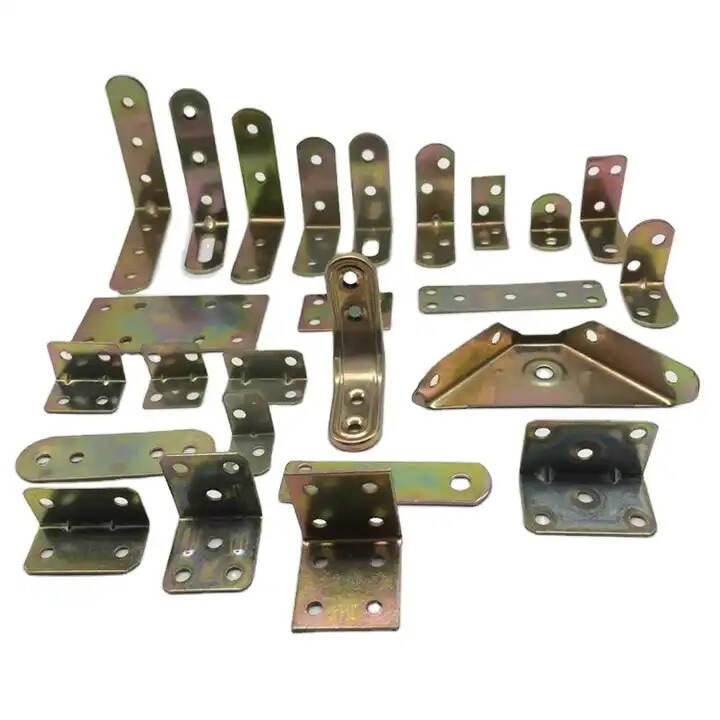
The stamping parts industry demands precise supplier selection criteria that go beyond basic cost considerations. Production area dimensions, machinery specifications, and output capacity collectively determine a supplier's ability to handle complex projects while maintaining consistent delivery schedules. Understanding how these three factors interact helps procurement teams identify suppliers capable of scaling with business growth and adapting to evolving manufacturing requirements.
Production Area Assessment for Optimal Supplier Selection
Facility Size Requirements and Space Utilization
Production area evaluation begins with analyzing the physical space required for your specific stamping parts manufacturing needs. A qualified stamping parts supplier must demonstrate adequate floor space to accommodate large-scale machinery, material storage, and quality control stations. Facility dimensions directly impact workflow efficiency and the supplier's ability to handle multiple concurrent projects without compromising production timelines.
Effective space utilization indicates operational maturity and process optimization capabilities. Suppliers with well-organized production areas typically maintain better inventory management systems and can respond more quickly to rush orders. The production area layout should facilitate smooth material flow from raw material storage through processing stages to finished goods packaging and shipping areas.
Consider the supplier's expansion potential within their current facility or ability to scale to larger spaces. Stamping parts suppliers operating at maximum capacity may struggle to accommodate increased order volumes or new product lines without significant lead time extensions. Evaluate whether the production area can support additional equipment installation if project requirements change or expand over time.
Environmental Controls and Safety Standards
Production area environmental controls significantly impact stamping parts quality and worker safety standards. Temperature and humidity management systems prevent material degradation and ensure consistent forming characteristics during the stamping process. Suppliers with climate-controlled environments demonstrate commitment to quality maintenance throughout production cycles.
Safety compliance within the production area reflects operational professionalism and risk management capabilities. Well-maintained stamping parts suppliers implement comprehensive safety protocols, including proper ventilation systems, emergency equipment placement, and clear walkway markings. These factors directly correlate with reduced workplace incidents and more reliable production schedules.
Noise control measures and dust management systems indicate attention to both worker welfare and product quality protection. Stamping operations generate significant noise and particulate matter that can affect precision work and neighboring processes. Suppliers investing in environmental controls typically maintain higher quality standards and demonstrate long-term operational sustainability.
Equipment Capabilities and Technology Integration
Machinery Specifications and Capacity Analysis
Equipment evaluation forms the cornerstone of stamping parts supplier assessment, as machinery capabilities directly determine product quality, dimensional accuracy, and production efficiency. Press tonnage ratings, bed size dimensions, and stroke length specifications must align with your specific part requirements. Suppliers with diverse press capacities can handle varying project complexities while maintaining consistent quality standards across different part geometries.
Modern stamping parts suppliers invest in computer-controlled press systems that offer superior precision and repeatability compared to manual operations. Servo-driven presses provide enhanced control over forming speeds and pressures, resulting in improved part consistency and reduced material waste. Evaluate whether the supplier's equipment technology matches the precision requirements of your stamping parts applications.
Secondary equipment capabilities, including material handling systems, die storage facilities, and maintenance equipment, impact overall production efficiency. Automated material feeding systems reduce cycle times and improve worker safety during high-volume production runs. Comprehensive die storage and maintenance capabilities indicate the supplier's ability to manage multiple projects simultaneously while preserving tooling investments.
Quality Control Equipment and Inspection Systems
Quality control equipment sophistication reveals a stamping parts supplier's commitment to delivering consistent, specification-compliant products. Coordinate measuring machines, optical comparators, and automated inspection systems enable precise dimensional verification and defect detection throughout production processes. Suppliers with advanced metrology equipment can provide detailed quality documentation and statistical process control data.
Integration between production equipment and quality control systems streamlines inspection processes and reduces production delays. Real-time monitoring capabilities allow immediate process adjustments when dimensional drift or other quality issues emerge. Stamping parts suppliers with integrated quality systems demonstrate operational maturity and proactive quality management approaches.
Material testing equipment capabilities ensure incoming raw materials meet specifications before production begins. Hardness testers, thickness gauges, and surface roughness measurement tools help prevent quality issues that could affect final part performance. Suppliers with comprehensive material testing capabilities reduce the risk of production delays caused by substandard raw materials.
Monthly Output Capacity and Production Planning
Volume Capability Assessment Methods
Monthly output capacity evaluation requires analyzing both theoretical maximum production rates and realistic sustainable volumes considering quality maintenance requirements. Stamping parts suppliers should provide detailed capacity calculations based on part complexity, cycle times, and setup requirements. Understanding the relationship between production volume and quality consistency helps establish realistic delivery expectations.
Multi-shift operation capabilities significantly impact monthly output potential while affecting pricing structures and delivery flexibility. Suppliers operating continuous production schedules can accommodate higher volumes but may require longer planning horizons for capacity allocation. Evaluate whether the stamping parts supplier can adjust shift patterns to meet fluctuating demand requirements without compromising quality standards.
Seasonal capacity variations and planned maintenance schedules affect monthly output reliability throughout the year. Well-managed stamping parts suppliers maintain detailed capacity planning calendars that account for equipment maintenance, tooling changes, and holiday schedules. Understanding these variations helps in production planning and inventory management strategy development.
Scalability and Flexibility Considerations
Production scalability assessment determines whether a stamping parts supplier can grow with your business requirements over time. Suppliers with modular production setups and flexible equipment configurations adapt more easily to changing volume demands or new product introductions. Evaluate the supplier's historical experience managing capacity increases and their approach to equipment acquisition and facility expansion.
Flexibility in production scheduling allows accommodation of rush orders and changing delivery requirements without disrupting other customer commitments. Stamping parts suppliers with effective production planning systems can optimize equipment utilization while maintaining delivery reliability across multiple customer accounts. This flexibility becomes particularly valuable during market fluctuations or seasonal demand variations.
Cross-training programs and workforce development initiatives indicate a supplier's ability to maintain production flexibility despite personnel changes. Skilled operators capable of running multiple equipment types provide operational resilience and reduce dependency on specific individuals. Stamping parts suppliers investing in workforce development demonstrate commitment to long-term operational stability and continuous improvement.
Supplier Evaluation Framework and Decision Criteria
Comprehensive Assessment Methodology
Developing a structured evaluation framework ensures objective comparison of potential stamping parts suppliers across all critical operational dimensions. Weight production area, equipment capabilities, and monthly output according to your specific project priorities and risk tolerance levels. This systematic approach prevents overlooking important factors while maintaining focus on the most business-critical supplier characteristics.
Site visits provide essential insights into actual operational conditions that cannot be assessed through documentation alone. During facility tours, observe production area organization, equipment maintenance standards, and workflow efficiency indicators. Direct observation of stamping parts suppliers in operation reveals operational maturity levels and helps validate capacity claims and capability representations.
Reference checks with existing customers provide valuable insights into supplier performance consistency and problem-resolution capabilities. Focus inquiries on delivery reliability, quality consistency, and responsiveness to changing requirements. Stamping parts suppliers with strong customer references demonstrate proven track records and operational stability that support long-term partnership development.
Risk Assessment and Mitigation Strategies
Risk evaluation encompasses both operational risks related to production capabilities and business risks associated with supplier stability. Assess whether the stamping parts supplier's production area, equipment, and capacity create single points of failure that could disrupt your supply chain. Develop contingency plans and backup supplier relationships to mitigate identified risks while maintaining primary supplier relationships.
Financial stability analysis ensures the selected stamping parts supplier can maintain operations and invest in necessary improvements over the partnership duration. Review financial statements, credit ratings, and investment patterns to assess long-term viability. Suppliers with strong financial positions can weather market fluctuations and continue meeting delivery commitments during challenging business conditions.
Geographic considerations affect supply chain resilience and logistics efficiency. Evaluate proximity to your facilities, transportation infrastructure quality, and regional economic stability when selecting stamping parts suppliers. Local suppliers may offer faster delivery times and easier collaboration, while distant suppliers might provide cost advantages or specialized capabilities not available locally.
FAQ
What production area size is typically required for small to medium volume stamping parts production?
Production area requirements vary significantly based on part size, complexity, and volume requirements, but most stamping parts suppliers need minimum 5,000 to 10,000 square feet for small to medium volume operations. This includes space for press equipment, die storage, material handling, quality control stations, and shipping areas. Larger or more complex parts may require additional space for specialized tooling and extended material storage areas.
How do I verify a stamping parts supplier's actual monthly output capacity versus their claimed capacity?
Request detailed capacity calculations including cycle times, setup times, and efficiency factors for parts similar to your requirements. Ask for production records from recent months showing actual output volumes and on-time delivery performance. During site visits, observe current production levels and equipment utilization rates to validate claimed capacity numbers against actual operational conditions.
What equipment redundancy should I expect from a reliable stamping parts supplier?
Reliable stamping parts suppliers typically maintain backup equipment for critical production processes, including at least one additional press of similar capacity and redundant quality control equipment. They should also have relationships with local equipment service providers and maintain adequate spare parts inventory for quick repairs. Multiple die sets and backup tooling capabilities help ensure continuous production despite maintenance requirements or unexpected equipment issues.
How far in advance should a stamping parts supplier be able to accommodate capacity increases?
Most established stamping parts suppliers can accommodate 20-30% capacity increases within 4-6 weeks through schedule optimization and overtime operations. Larger capacity increases requiring additional equipment or facility expansion typically need 3-6 months planning time. Discuss capacity expansion capabilities during supplier selection to understand their flexibility for supporting business growth and seasonal demand variations.
Table of Contents
- Production Area Assessment for Optimal Supplier Selection
- Equipment Capabilities and Technology Integration
- Monthly Output Capacity and Production Planning
- Supplier Evaluation Framework and Decision Criteria
-
FAQ
- What production area size is typically required for small to medium volume stamping parts production?
- How do I verify a stamping parts supplier's actual monthly output capacity versus their claimed capacity?
- What equipment redundancy should I expect from a reliable stamping parts supplier?
- How far in advance should a stamping parts supplier be able to accommodate capacity increases?