
 EN
EN
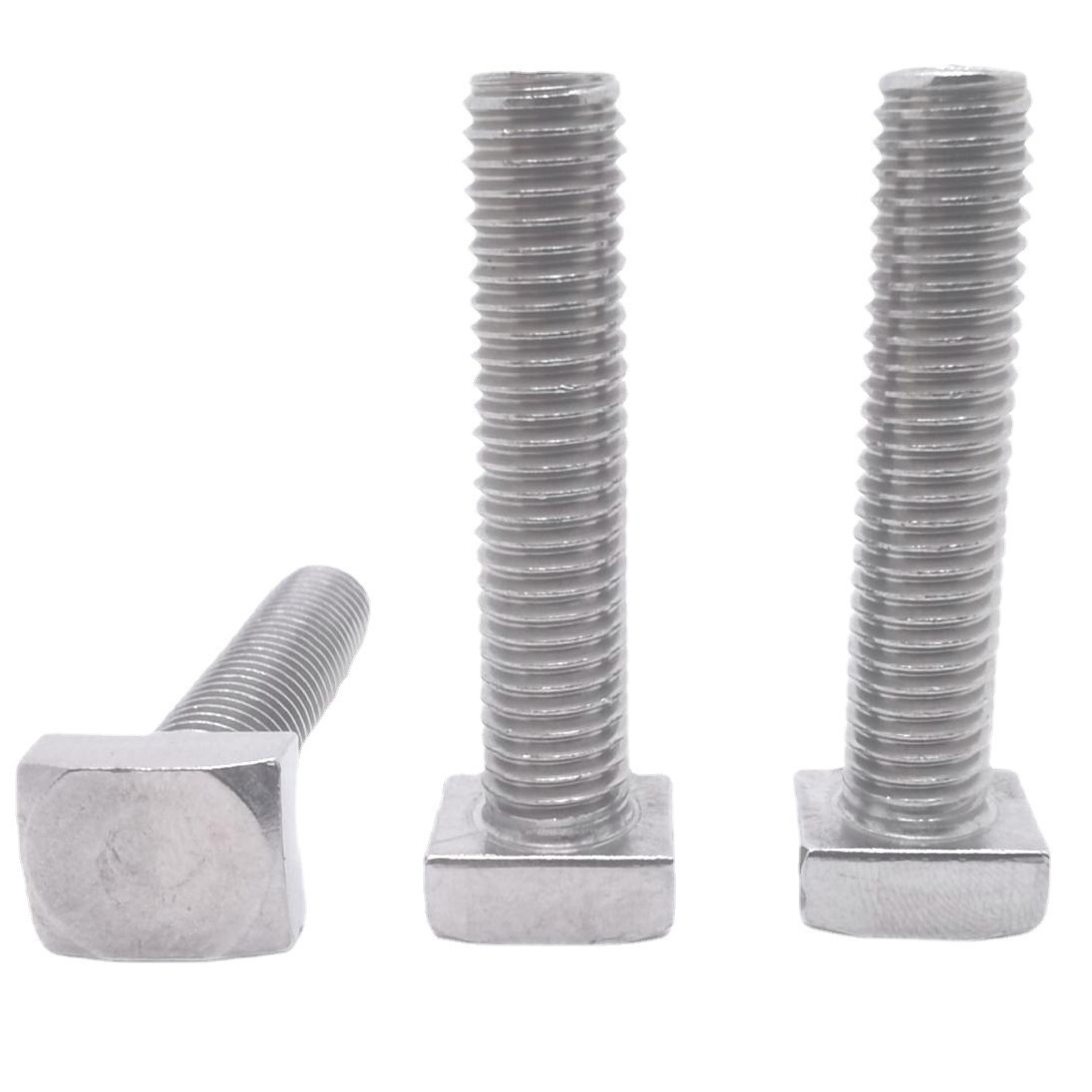
Proper bolt and nut grade matching is fundamental to achieving reliable joint integrity in mechanical assemblies. When engineers specify fasteners for critical applications, the material properties and strength ratings of both the bolt and nut must be carefully coordinated to ensure optimal load distribution and prevent premature failure. Mismatched grades can lead to catastrophic joint failure, costly downtime, and safety hazards across industrial applications.
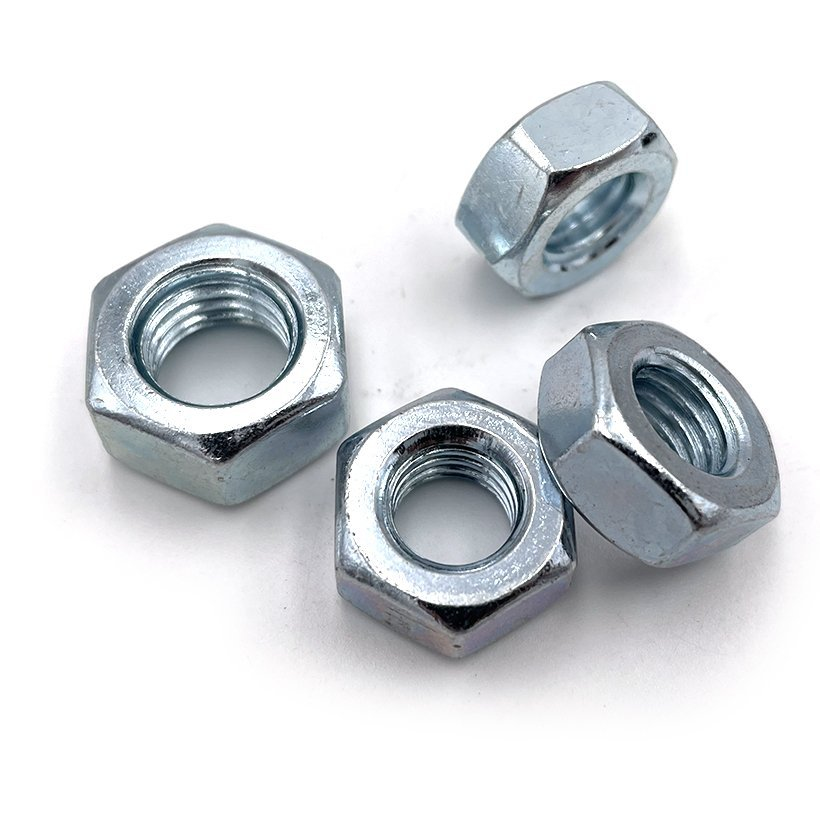
The relationship between bolt grade to nut grade represents a critical engineering principle that directly impacts joint performance, structural integrity, and long-term reliability. Understanding why this matching requirement exists requires examining the fundamental mechanics of threaded fastener assemblies and the consequences of grade mismatches on load-bearing capacity and failure modes.
Understanding Fastener Grade Systems and Mechanical Properties
Material Strength Classifications
Fastener grades define the minimum mechanical properties including tensile strength, yield strength, and hardness values that bolts and nuts must meet. The bolt grade to nut grade relationship ensures these properties are properly coordinated to achieve balanced performance under applied loads. Grade markings on bolt heads and nut faces provide clear identification of strength levels and material specifications.
Common grade systems include metric property classes like 8.8, 10.9, and 12.9, as well as imperial grades such as Grade 2, Grade 5, and Grade 8. Each grade represents specific tensile strength minimums measured in megapascals or pounds per square inch. Higher grade numbers indicate stronger materials with increased load-carrying capacity and resistance to deformation.
The manufacturing process for different grades involves controlled heat treatment, alloy selection, and quality testing to achieve consistent mechanical properties. When specifying bolt grade to nut grade combinations, engineers must understand these underlying material characteristics to select appropriate fastener pairs for specific loading conditions and environmental requirements.
Load Distribution Mechanics
Proper grade matching ensures that applied loads are distributed effectively between the bolt shank, threaded engagement area, and nut body. When bolt grade to nut grade properties are well-matched, the fastener assembly behaves as a unified system with predictable stress patterns and failure modes. This coordination prevents localized stress concentrations that can initiate crack propagation or sudden failure.
Thread engagement relies on shear strength in both the bolt threads and nut threads to resist applied tensile loads. If grade properties are mismatched, the weaker component will reach its yield point first, potentially causing thread stripping or bolt fracture before the joint reaches its intended design capacity. Proper bolt grade to nut grade selection ensures balanced strength throughout the threaded connection.
Engineering calculations for joint design assume that bolt and nut properties are coordinated to achieve specific clamping forces and preload levels. When grades are mismatched, these calculations become invalid, leading to unpredictable joint behavior and increased risk of loosening, fatigue failure, or catastrophic separation under dynamic loading conditions.
Consequences of Grade Mismatching on Joint Performance
Premature Failure Modes
Mismatched bolt grade to nut grade combinations create weak points in the fastener assembly that can lead to unexpected failure patterns. When a high-strength bolt is paired with a lower-grade nut, the nut threads may strip under load before the bolt reaches its design capacity. This premature failure prevents the joint from achieving its intended clamping force and structural performance.
Conversely, using a low-grade bolt with a high-strength nut can result in bolt fracture at loads well below the nut's capacity. This mismatch wastes the superior material properties of the stronger component while creating an unreliable connection that may fail without warning. Proper bolt grade to nut grade matching prevents these unbalanced failure modes.
Thread engagement length becomes critical when grades are mismatched, as the weaker component requires more engagement area to develop adequate strength. Standard engagement lengths may be insufficient when bolt grade to nut grade properties are not properly coordinated, necessitating design modifications or alternative fastening approaches to maintain joint integrity.
Stress Concentration Effects
Mismatched grades create non-uniform stress distributions within the threaded connection, leading to localized stress concentrations that can initiate fatigue cracks or sudden failure. When bolt grade to nut grade properties differ significantly, the stiffer component experiences higher stress levels while the more flexible component undergoes greater deformation.
These stress concentrations are particularly problematic in dynamic loading applications where repeated stress cycles can cause crack initiation and propagation. Proper grade matching ensures that stress levels remain within acceptable limits throughout the threaded engagement area, preventing fatigue-related failures and extending service life.
Manufacturing tolerances and surface finish variations can amplify stress concentration effects when bolt grade to nut grade properties are mismatched. Thread root radii, pitch accuracy, and surface roughness all influence stress distribution patterns, making proper grade selection even more critical for reliable joint performance.
Engineering Standards and Grade Compatibility Requirements
Industry Specifications
International standards organizations have established specific requirements for bolt grade to nut grade compatibility to ensure consistent joint performance across applications. Standards such as ISO 898 and ASTM specifications define acceptable grade combinations and provide guidance for fastener selection in various loading conditions and environmental exposures.
These standards specify minimum mechanical property requirements for both bolts and nuts within each grade classification, ensuring that properly matched combinations will achieve predictable performance characteristics. Engineers must reference these specifications when selecting bolt grade to nut grade combinations to maintain compliance with design codes and safety regulations.
Quality assurance procedures outlined in these standards include material testing, dimensional verification, and performance validation to confirm that manufactured fasteners meet grade requirements. Proper documentation and traceability ensure that bolt grade to nut grade matching can be verified throughout the supply chain and installation process.
Design Code Requirements
Structural design codes and equipment standards often mandate specific bolt grade to nut grade combinations for critical applications. These requirements reflect extensive testing and analysis to establish safe loading limits and service life expectations for various fastener grades and application conditions.
Pressure vessel codes, bridge specifications, and machinery standards typically include detailed fastener selection criteria that consider grade compatibility, environmental factors, and loading conditions. Engineers must ensure that specified bolt grade to nut grade combinations comply with applicable codes and regulations for their specific application.
Inspection and testing requirements in design codes often include verification of fastener grades and installation procedures to confirm proper joint integrity. bolt grade to nut grade matching is typically verified through hardness testing, tensile testing, or visual inspection of grade markings during quality control processes.
Practical Implementation and Quality Assurance
Selection Guidelines
Effective bolt grade to nut grade selection requires careful consideration of application requirements, loading conditions, and environmental factors. Engineers should begin by determining the required joint strength and safety factors, then select matching grade combinations that provide adequate capacity with appropriate margins for uncertainties and dynamic effects.
Material availability and cost considerations may influence grade selection, but performance requirements must take precedence to ensure joint integrity. Standard grade combinations are readily available from most fastener suppliers, making it practical to specify properly matched bolt grade to nut grade pairs without significant cost or delivery penalties.
Special applications may require custom grade combinations or alternative materials to meet specific performance requirements. In these cases, engineers should work closely with fastener manufacturers to develop appropriate bolt grade to nut grade specifications and validate performance through testing and analysis.
Installation and Verification
Proper installation procedures are essential to realize the benefits of correct bolt grade to nut grade matching. Installation torque values must be appropriate for the selected grades, considering factors such as thread lubrication, surface conditions, and required preload levels to achieve optimal joint performance.
Field verification of fastener grades should be conducted through visual inspection of grade markings, hardness testing, or other approved methods to confirm that installed hardware matches design specifications. This verification ensures that bolt grade to nut grade compatibility is maintained throughout the construction process.
Documentation and traceability procedures should track fastener grades from procurement through installation to provide evidence of proper grade matching. This documentation supports quality assurance efforts and provides valuable information for maintenance planning and future modifications to the assembled structure or equipment.
FAQ
What happens if I use a Grade 8 bolt with a Grade 2 nut?
Using a Grade 8 bolt with a Grade 2 nut creates an unbalanced fastener assembly where the nut will likely fail before the bolt reaches its design capacity. The Grade 2 nut threads may strip or the nut body may split under loads that the Grade 8 bolt could easily handle, resulting in joint failure at significantly reduced load levels and wasting the superior strength of the higher-grade bolt.
Can I mix metric and imperial grade systems in the same joint?
Mixing metric and imperial fasteners in the same joint is not recommended due to different thread forms, pitches, and grade classification systems. Even when strength levels appear similar, the mechanical compatibility and performance characteristics may differ significantly. It's best to use fasteners from the same standard system with properly matched bolt grade to nut grade combinations to ensure reliable joint performance.
How do I verify that bolt and nut grades are properly matched?
Grade verification can be accomplished through visual inspection of grade markings on bolt heads and nut faces, hardness testing using portable hardness testers, or tensile testing of sample fasteners. Grade markings should clearly indicate matching strength levels, and material certificates from the manufacturer can provide additional confirmation of proper bolt grade to nut grade compatibility.
Are there any exceptions where grade mismatching might be acceptable?
Grade mismatching should generally be avoided, but there may be limited situations where using a higher-grade nut with a lower-grade bolt could be acceptable if the joint is designed around the bolt's lower capacity. However, this practice requires careful engineering analysis to ensure the connection performs safely, and it typically provides no practical benefit since properly matched grade combinations are readily available and more cost-effective.