
 EN
EN
Bolts equipped with prevailing torque features represent a critical advancement in fastener technology, specifically designed to address one of the most persistent challenges in mechanical assemblies: self-loosening under dynamic loading conditions. These specialized fasteners incorporate engineered elements such as nylon patches, thread-locking compounds, or serrated flanges that create controlled resistance during installation and operation, fundamentally altering the friction characteristics between mating threads to maintain joint integrity over extended service periods.
The reliability of prevailing torque bolts in resisting self-loosening depends on multiple interconnected factors including the type of prevailing torque mechanism employed, the operating environment characteristics, load conditions, and proper installation procedures. Understanding these variables is essential for engineers and maintenance professionals who must make informed decisions about when and how to implement these fasteners in critical applications where joint failure could result in significant operational or safety consequences.
Mechanical Principles Behind Prevailing Torque Effectiveness
Friction Modification Mechanisms
Prevailing torque features function by intentionally modifying the coefficient of friction between threaded surfaces, creating a controlled resistance that opposes rotational movement in both tightening and loosening directions. Nylon patches, for instance, compress and deform during installation, filling thread root gaps and creating multiple contact points that increase the effective bearing area between male and female threads. This increased contact area directly correlates with enhanced friction force generation, which must be overcome before any rotational movement can occur.
The prevailing torque mechanism establishes a baseline resistance level that remains relatively constant throughout the operational life of the fastener, provided the integrity of the locking feature is maintained. This consistent resistance creates a predictable threshold that external forces must exceed to initiate loosening, making the joint behavior more deterministic compared to standard threaded fasteners that rely solely on clamp load and thread friction.
Serrated flange designs operate through a different mechanical principle, utilizing sharp edges or raised features that bite into the bearing surface material during installation. This creates multiple mechanical interlocks that resist rotational movement through both increased friction and mechanical interference, providing dual-mode protection against self-loosening scenarios.
Load Transfer and Stress Distribution
The effectiveness of prevailing torque features in maintaining joint integrity extends beyond simple friction enhancement to include improved stress distribution characteristics across the threaded engagement area. Standard bolts typically experience concentrated stress at the first few engaged threads, creating stress concentration points that can contribute to loosening initiation. Prevailing torque features help distribute these loads more evenly by creating additional contact points and modifying the load transfer path through the thread engagement zone.
This improved stress distribution becomes particularly significant in applications subjected to cyclic loading, where repeated stress reversals can gradually reduce clamp load through various mechanisms including thread wear, material creep, and surface micro-movements. The enhanced load distribution provided by prevailing torque features helps mitigate these effects by reducing peak stress levels at critical thread locations.
Additionally, the controlled deformation of nylon patches or the compression of thread-locking compounds creates a more uniform stress field within the threaded connection, reducing the likelihood of stress concentration-induced failures that could compromise the joint's ability to maintain preload over time.
Performance Factors Affecting Self-Loosening Resistance
Environmental Condition Impacts
Temperature variations significantly influence the performance characteristics of prevailing torque features, particularly those utilizing polymer-based materials such as nylon patches or anaerobic thread-locking compounds. Elevated temperatures can reduce the effectiveness of these materials by altering their mechanical properties, potentially reducing friction coefficients and compromising the locking mechanism's ability to maintain adequate resistance to loosening forces.
Conversely, extremely low temperatures can make some prevailing torque materials more brittle, potentially leading to cracking or complete failure of the locking mechanism during thermal cycling events. The temperature sensitivity of different prevailing torque systems varies considerably, with metallic serrated flange designs generally exhibiting superior temperature stability compared to polymer-based alternatives.
Chemical exposure represents another critical environmental factor that can compromise prevailing torque effectiveness. Aggressive chemicals, solvents, or corrosive environments may degrade nylon patches or dissolve thread-locking compounds, gradually reducing their ability to maintain adequate resistance to self-loosening. This degradation process often occurs gradually, making it difficult to detect until significant performance reduction has already occurred.
Dynamic Loading Characteristics
The nature and magnitude of dynamic loads applied to bolted joints directly influence the reliability of prevailing torque features in preventing self-loosening. High-frequency vibrations, particularly those approaching the natural frequency of the joint assembly, can generate resonant conditions that amplify loosening forces beyond the resistance capabilities of even well-designed prevailing torque systems.
Shock loading events present a different challenge, as sudden impact forces can exceed the instantaneous resistance capacity of prevailing torque features, potentially causing immediate loosening or damage to the locking mechanism. The ability of different prevailing torque designs to withstand shock loading varies significantly, with mechanical locking systems generally providing superior shock resistance compared to friction-based alternatives.
Cyclic loading patterns also influence long-term reliability, as repeated stress applications can cause gradual wear of prevailing torque features, reducing their effectiveness over time. The rate of this degradation depends on factors including load magnitude, cycle frequency, and the specific design characteristics of the prevailing torque mechanism employed.
Application-Specific Reliability Considerations
Critical Assembly Requirements
In safety-critical applications such as aerospace, automotive, or heavy industrial machinery, the reliability requirements for prevailing torque bolts extend beyond simple self-loosening prevention to include predictable failure modes and quantifiable performance degradation patterns. These applications often require extensive testing and validation to establish confidence in the long-term performance of prevailing torque features under specific operating conditions.
The selection of appropriate prevailing torque mechanisms for critical assemblies must consider not only the primary loosening resistance requirements but also secondary factors such as installation torque consistency, reusability characteristics, and the potential for installation errors that could compromise performance. Some prevailing torque designs provide clear visual or tactile feedback during installation, helping ensure proper engagement of the locking mechanism.
Quality control requirements for critical applications often mandate specific testing protocols to verify prevailing torque performance before installation, including measurements of installation torque, breakaway torque, and running torque characteristics. These measurements help ensure that each fastener meets established performance criteria and provides early detection of potential quality issues.
Maintenance and Inspection Protocols
Effective maintenance programs for assemblies utilizing prevailing torque bolts must account for the gradual degradation of locking features over time, particularly in demanding operating environments. Regular inspection protocols should include both visual examination for obvious signs of damage or wear and quantitative measurements of residual prevailing torque values to assess remaining service life.
The reusability characteristics of different prevailing torque designs vary significantly, with some systems designed for single-use applications while others can withstand multiple installation and removal cycles without significant performance degradation. Understanding these limitations is crucial for developing appropriate maintenance intervals and replacement schedules that ensure continued reliability without unnecessary component replacement costs.
Documentation requirements for prevailing torque bolt maintenance often include tracking of installation dates, torque values, environmental exposure history, and any observed performance anomalies. This information supports trend analysis and helps optimize maintenance intervals based on actual field performance data rather than conservative theoretical estimates.
Comparative Analysis of Prevailing Torque Technologies
Nylon Patch Performance Characteristics
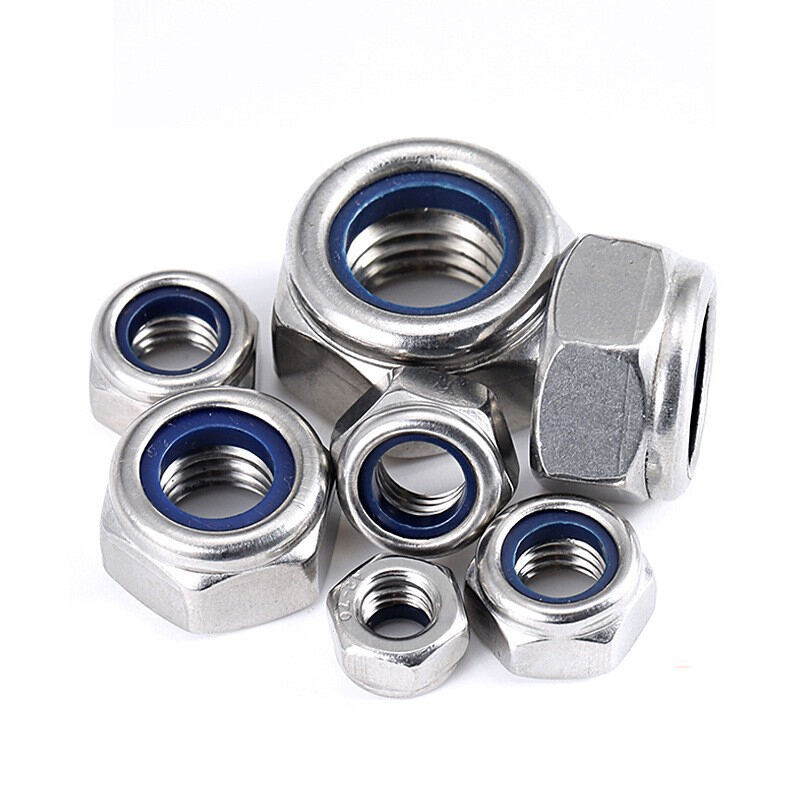
Nylon patch prevailing torque systems offer excellent self-loosening resistance in moderate temperature applications, typically providing consistent performance in temperature ranges from -40°F to 250°F (-40°C to 121°C). The deformable nature of nylon allows it to conform closely to thread irregularities, creating multiple sealing and locking contact points that enhance both loosening resistance and environmental sealing capabilities.
Installation torque requirements for nylon patch bolts are typically 25-50% higher than equivalent standard bolts, reflecting the additional energy required to deform and displace the nylon material during thread engagement. This increased installation torque provides a reliable indicator of proper prevailing torque engagement and helps detect installation issues such as cross-threading or insufficient thread engagement length.
The removal torque characteristics of nylon patch systems generally remain relatively stable throughout their service life, provided the nylon material has not been compromised by environmental factors such as excessive temperature exposure or chemical attack. This stability makes nylon patch bolts particularly suitable for applications requiring predictable maintenance procedures.
Serrated Flange Design Benefits
Serrated flange prevailing torque bolts utilize mechanical interference rather than material deformation to achieve loosening resistance, making them less sensitive to temperature variations and chemical exposure compared to polymer-based alternatives. The serrated features create multiple point contacts that bite into the bearing surface material, establishing mechanical locks that resist rotational movement through physical interference mechanisms.
Installation requirements for serrated flange bolts include careful attention to bearing surface material properties and condition, as the effectiveness of the serration engagement depends on the ability of the bearing surface to accept and retain the serrated impressions. Soft materials such as aluminum or mild steel typically provide excellent serration engagement, while hardened materials may require special consideration.
The reusability characteristics of serrated flange designs are generally limited by the condition of both the serrations and the bearing surface impressions created during initial installation. Multiple installation cycles can dull the serrations or create oversized impressions that reduce the effectiveness of subsequent installations.
FAQ
How long do prevailing torque features typically maintain their effectiveness?
The service life of prevailing torque features varies significantly based on environmental conditions, loading characteristics, and the specific type of locking mechanism employed. Nylon patch systems typically maintain effectiveness for 5-10 years in moderate environments, while serrated flange designs may provide reliable performance for 10-20 years when properly installed in suitable applications. Regular inspection and testing are recommended to verify continued effectiveness rather than relying solely on time-based replacement schedules.
Can prevailing torque bolts be reused after removal?
Reusability depends on the specific prevailing torque design and the number of previous installation cycles. Nylon patch bolts are generally considered single-use items, as the nylon material undergoes permanent deformation during installation that reduces its effectiveness in subsequent uses. Serrated flange bolts may be reusable for 2-3 installation cycles if both the serrations and bearing surfaces remain in good condition, though performance testing is recommended before reuse in critical applications.
What installation torque adjustments are needed for prevailing torque bolts?
Installation torque requirements for prevailing torque bolts typically exceed those of standard bolts by 25-75%, depending on the specific locking mechanism design. The additional torque accounts for the energy required to overcome the prevailing torque resistance during installation. Proper torque values should be determined through testing or manufacturer specifications, as generic torque charts may not account for the specific characteristics of different prevailing torque systems.
How can you verify that prevailing torque features are functioning properly?
Proper function of prevailing torque features can be verified through several methods including measurement of installation torque during assembly, periodic measurement of residual prevailing torque using calibrated equipment, visual inspection for signs of locking mechanism damage or wear, and functional testing of breakaway torque values. Significant deviations from expected values may indicate compromised locking performance requiring fastener replacement or further investigation.