
 EN
EN
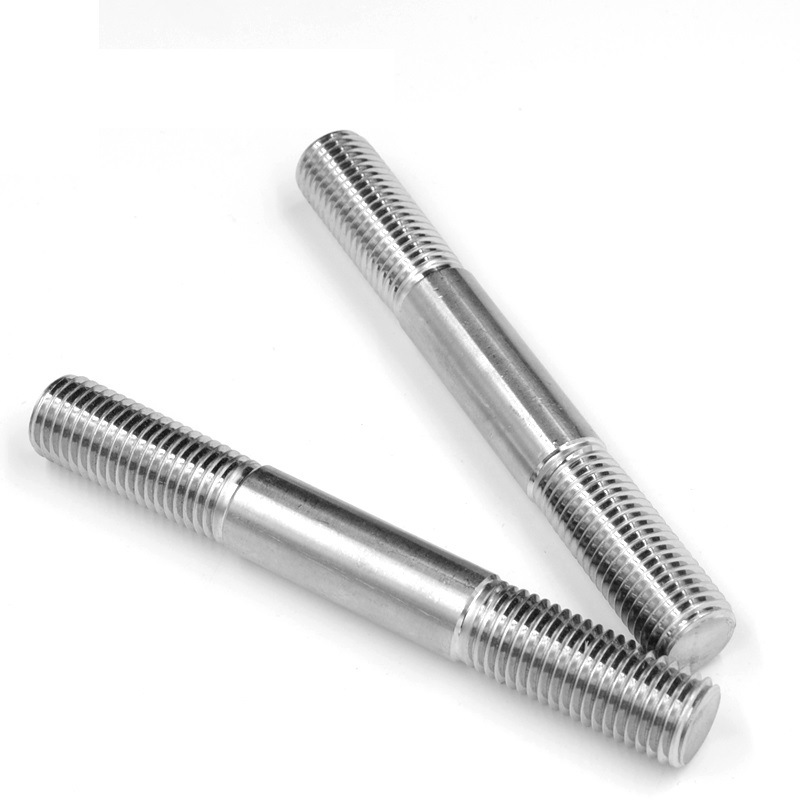
The accuracy of torque-tension relationships in fastener applications directly depends on thread lubrication conditions, making bolt thread lubrication one of the most critical variables in achieving precise joint preload. When torque is applied to a threaded fastener, the relationship between applied torque and resulting axial tension is heavily influenced by friction coefficients that vary dramatically based on lubrication type, application method, and thread surface conditions. Understanding how bolt thread lubrication affects this fundamental relationship is essential for engineers seeking consistent, reliable fastener performance in critical applications.
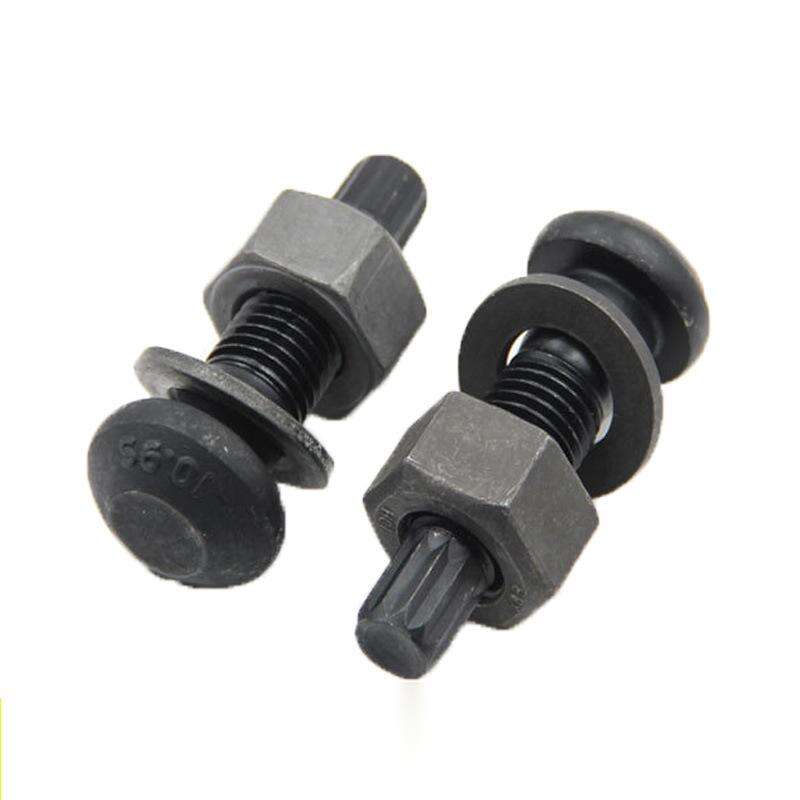
The torque-tension relationship forms the foundation of modern fastener design and installation practices, yet many professionals underestimate how dramatically bolt thread lubrication conditions can alter this relationship. Without proper lubrication control, identical torque values can produce vastly different tension results, leading to either insufficient preload that compromises joint integrity or excessive tension that risks fastener failure. This variability becomes particularly problematic in high-stakes applications where precise preload control directly impacts structural safety, equipment reliability, and operational performance.
Understanding the Torque-Tension Fundamental Relationship
Basic Torque Components and Friction Distribution
Applied torque in threaded fasteners divides into three distinct components: thread friction, bearing surface friction, and the actual tension-generating component. Typically, thread friction consumes approximately 50% of total applied torque, while bearing surface friction accounts for another 40%, leaving only 10% of the applied torque to generate useful axial tension. This distribution demonstrates why bolt thread lubrication has such profound effects on torque-tension accuracy, as it directly influences the largest torque consumption component.
The coefficient of friction between threaded surfaces determines how much torque energy converts to heat versus useful tension. Dry steel threads typically exhibit friction coefficients ranging from 0.15 to 0.25, while properly lubricated threads can reduce this range to 0.08 to 0.15. This seemingly modest reduction in friction coefficient translates to dramatic improvements in torque-tension predictability and consistency across multiple installations.
Thread geometry also interacts with bolt thread lubrication to influence the torque-tension relationship. Coarser threads generally show less sensitivity to lubrication changes compared to fine threads, as the thread angle and pitch affect how lubricant distributes across contact surfaces. However, fine threads benefit more dramatically from proper lubrication due to their increased surface contact area and more complex load distribution patterns.
Friction Coefficient Variability and Its Impact
Uncontrolled friction coefficient variation represents the primary source of torque-tension relationship inaccuracy in threaded fasteners. Without consistent bolt thread lubrication, friction coefficients can vary by factors of two or more between identical fasteners installed under seemingly similar conditions. This variability stems from microscopic surface condition differences, contamination levels, temperature variations, and installation rate differences that affect how lubricants behave under load.
Statistical analysis of torque-tension data from unlubricated fasteners typically shows standard deviations exceeding 25% of mean tension values, making precise preload control virtually impossible. Proper bolt thread lubrication can reduce this variability to less than 10%, dramatically improving joint consistency and reliability. The improvement becomes even more pronounced in applications involving dissimilar materials, plated fasteners, or extreme environmental conditions.
Temperature effects compound friction coefficient variability when bolt thread lubrication is inadequate or inappropriate for the application conditions. Thread temperatures during installation can reach several hundred degrees Fahrenheit due to friction heating, causing lubricant viscosity changes, thermal expansion differences, and potential lubricant degradation. These temperature-related effects create additional torque-tension relationship uncertainties that proper lubrication selection and application can minimize.
Lubrication Effects on Thread Contact Mechanics
Surface Film Formation and Load Distribution
Bolt thread lubrication creates boundary layer films that fundamentally alter how loads distribute across thread flanks during tightening. These molecular-thin films separate asperities on opposing thread surfaces, reducing direct metal-to-metal contact and creating more uniform stress distribution patterns. The effectiveness of this separation depends on lubricant chemistry, viscosity, and film strength characteristics that must withstand the extreme pressures generated during bolt installation.
Proper lubricant film formation enables loads to distribute more evenly across the full thread engagement length, rather than concentrating on the first few engaged threads as commonly occurs with inadequately lubricated fasteners. This improved load distribution not only enhances torque-tension relationship accuracy but also improves fatigue resistance and long-term joint reliability. However, achieving consistent film formation requires careful attention to lubricant selection, application methods, and thread preparation procedures.
The dynamic nature of thread contact during installation means that bolt thread lubrication must provide effective performance throughout the entire tightening sequence, not just at initial contact. As torque increases and thread surfaces deform elastically and plastically, lubricant films experience extreme shear stresses that can cause film breakdown if the lubricant lacks sufficient load-carrying capacity. This progression explains why torque-tension relationships often become increasingly nonlinear as applied torque approaches fastener yield strength.
Micro-Welding Prevention and Surface Protection
Thread surfaces under high contact pressures can experience localized micro-welding, where asperities on opposing surfaces bond together due to extreme pressure and temperature conditions. This phenomenon dramatically increases friction coefficients and creates erratic torque-tension behavior that makes precise preload control impossible. Effective bolt thread lubrication prevents micro-welding by maintaining separation between metal surfaces and providing sacrificial film layers that absorb deformation energy.
Anti-seize compounds and extreme pressure lubricants contain additives specifically designed to prevent metal-to-metal bonding under severe loading conditions. These additives typically include sulfur, phosphorus, or molybdenum compounds that form protective chemical reaction layers on thread surfaces during installation. The formation of these protective layers ensures that torque-tension relationships remain predictable even under demanding installation conditions or with difficult material combinations.
Surface protection extends beyond installation benefits to long-term service performance. Properly applied bolt thread lubrication provides corrosion protection that maintains joint integrity throughout the service life, preventing thread seizing that could complicate future disassembly operations. This protection becomes particularly important in outdoor applications, marine environments, or chemical processing facilities where thread corrosion could compromise both installation accuracy and service reliability.
Practical Lubrication Selection and Application Strategies
Lubricant Type Selection Criteria
Selecting appropriate lubricants for bolt thread lubrication requires balancing multiple performance criteria including viscosity, film strength, temperature stability, chemical compatibility, and environmental resistance. Light oils provide excellent penetration and low friction coefficients but may lack the film strength needed for high-stress applications. Heavy greases offer superior film strength and staying power but can create excessive drag that reduces torque-tension relationship accuracy in low-stress applications.
Specialized thread lubricants formulated specifically for fastener applications typically provide the best balance of performance characteristics for achieving accurate torque-tension relationships. These products often contain precise blends of base oils, thickening agents, and performance additives optimized for the unique loading conditions encountered in threaded fastener installations. Many include color coding or other identification features that help quality control personnel verify proper application during assembly operations.
Environmental considerations play crucial roles in lubricant selection for bolt thread lubrication applications. High-temperature environments require lubricants with thermal stability that prevents viscosity breakdown or chemical degradation during service. Food-grade applications mandate lubricants that meet FDA requirements while still providing effective friction control. Marine environments demand corrosion protection capabilities that extend thread life under saltwater exposure conditions.
Application Methods and Quality Control
Consistent application methods are essential for achieving repeatable torque-tension relationships with bolt thread lubrication. Manual application using brushes or swabs provides good control for small quantities but introduces human variability that can affect results. Spray application offers excellent coverage and consistency for large-scale operations but requires careful overspray control and proper ventilation. Dip coating provides the most consistent film thickness but may introduce contamination risks if coating baths are not properly maintained.
Application timing affects lubricant performance and torque-tension relationship accuracy. Fresh lubricant applications generally provide the most consistent results, but some lubricants benefit from brief settling periods that allow solvents to evaporate and films to stabilize. Extended storage periods between lubrication and installation can allow contamination accumulation or film degradation that compromises performance. Understanding these timing effects helps optimize installation procedures for specific bolt thread lubrication requirements.
Quality control procedures should verify both lubricant application consistency and resulting torque-tension relationship performance. Visual inspection can identify inadequate coverage or contamination issues, while sample torque testing on representative fasteners can validate that lubrication is producing expected tension results. Documentation of lubrication procedures, environmental conditions, and torque-tension results provides valuable data for continuous improvement of fastener installation processes.
Measurement and Verification Techniques
Direct Tension Measurement Methods
Accurate assessment of how bolt thread lubrication affects torque-tension relationships requires reliable methods for measuring actual fastener tension independently of applied torque. Ultrasonic bolt measurement represents the most accurate non-destructive technique, using sound wave velocity changes to determine fastener elongation and calculate axial stress. This method provides real-time tension feedback during installation and can detect lubrication effectiveness by comparing tension results across multiple fasteners with identical torque applications.
Strain gauge instrumentation on representative fasteners offers another approach for validating torque-tension relationships under various bolt thread lubrication conditions. While this method requires destructive modification of test fasteners, it provides direct measurement of fastener stress distribution and can reveal how lubrication affects load transfer mechanics throughout the threaded engagement length. Strain gauge testing is particularly valuable for qualifying new lubrication products or installation procedures.
Load indicating washers and similar devices provide practical tension verification for production applications where direct fastener measurement is impractical. These devices change color, compress, or provide other visual indicators when predetermined load levels are reached, allowing quality control personnel to verify that bolt thread lubrication is producing expected tension results. However, these indirect methods require careful calibration and may be sensitive to temperature, surface condition, and installation rate variations.
Torque-Tension Curve Analysis
Plotting torque versus tension curves provides valuable insights into how bolt thread lubrication affects fastener installation behavior throughout the complete tightening sequence. Properly lubricated fasteners typically exhibit smooth, predictable curves with consistent slopes that indicate stable friction coefficients. Poorly lubricated or contaminated threads often produce erratic curves with sudden slope changes that indicate stick-slip behavior or friction coefficient instability.
Curve analysis can identify specific lubrication problems and guide corrective actions. Curves that show initially low slope followed by rapidly increasing slope suggest inadequate lubricant film strength that breaks down under increasing load. Conversely, curves with consistently low slope may indicate over-lubrication that could allow fastener loosening during service. Understanding these curve characteristics helps optimize bolt thread lubrication for specific applications and loading conditions.
Statistical analysis of multiple torque-tension curves from identically prepared fasteners quantifies lubrication consistency and effectiveness. Standard deviation calculations reveal how much variation exists between individual installations, while correlation coefficients indicate how predictably torque translates to tension. These statistical measures provide objective criteria for comparing different lubrication approaches and establishing quality control limits for production operations.
FAQ
What is the typical improvement in torque-tension accuracy when using proper bolt thread lubrication?
Proper bolt thread lubrication typically reduces torque-tension relationship variability from 25-30% standard deviation down to 8-12% standard deviation compared to dry installation conditions. This improvement represents a two to three-fold increase in preload predictability, allowing engineers to achieve target tensions within much tighter tolerance bands and improving overall joint reliability and consistency.
How often should bolt thread lubrication be reapplied during storage or before installation?
Bolt thread lubrication should be refreshed if fasteners have been stored for more than six months in normal conditions, or immediately before installation if stored in harsh environments with temperature extremes, high humidity, or chemical exposure. Fresh lubrication ensures optimal friction control and prevents contamination or film degradation that could compromise torque-tension relationship accuracy during critical installations.
Can over-lubrication negatively affect torque-tension relationships in threaded fasteners?
Yes, excessive bolt thread lubrication can reduce friction coefficients below optimal levels, making fasteners more susceptible to loosening under dynamic loading conditions while also making it difficult to achieve high preloads without risking fastener failure. Over-lubrication can also trap contaminants, create hydraulic effects that interfere with proper thread engagement, and complicate torque control by creating unpredictable friction variations during installation sequences.
What are the most critical factors when selecting lubricants for high-temperature threaded fastener applications?
High-temperature bolt thread lubrication requires lubricants with thermal stability that prevents viscosity breakdown, oxidation resistance to avoid film degradation, and compatibility with fastener materials at elevated temperatures. The lubricant must maintain effective friction control throughout the expected temperature range while providing adequate film strength to prevent galling or seizing during installation and potential future disassembly operations.
Table of Contents
- Understanding the Torque-Tension Fundamental Relationship
- Lubrication Effects on Thread Contact Mechanics
- Practical Lubrication Selection and Application Strategies
- Measurement and Verification Techniques
-
FAQ
- What is the typical improvement in torque-tension accuracy when using proper bolt thread lubrication?
- How often should bolt thread lubrication be reapplied during storage or before installation?
- Can over-lubrication negatively affect torque-tension relationships in threaded fasteners?
- What are the most critical factors when selecting lubricants for high-temperature threaded fastener applications?