
 EN
EN
Selecting the appropriate bolt grade for structural connections in heavy machinery assembly represents one of the most critical engineering decisions that directly impacts equipment safety, operational reliability, and long-term performance. The bolt grade for structural connections determines the tensile strength, yield strength, and fatigue resistance characteristics that must withstand enormous static loads, dynamic forces, and environmental stresses encountered in industrial applications. Understanding the relationship between bolt specifications, material properties, and assembly requirements enables engineers to make informed decisions that prevent catastrophic failures while optimizing cost-effectiveness and maintenance schedules.
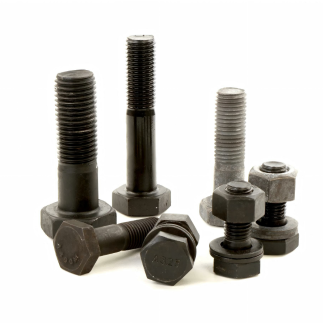
Heavy machinery assemblies present unique challenges that distinguish them from standard construction or automotive applications, requiring specialized consideration of bolt grade specifications that accommodate extreme operational conditions. The selection process involves analyzing load calculations, environmental factors, assembly procedures, and maintenance accessibility while ensuring compliance with industry standards and safety regulations. Engineers must evaluate multiple bolt grade options against specific performance criteria, considering factors such as proof load requirements, corrosion resistance needs, temperature cycling effects, and vibration resistance to determine the optimal fastener solution for each structural connection point.
Understanding Bolt Grade Classification Systems
SAE and ASTM Grade Standards
The bolt grade for structural connections follows standardized classification systems that define mechanical properties and performance characteristics essential for heavy machinery applications. SAE (Society of Automotive Engineers) grades utilize numerical designations such as Grade 2, Grade 5, and Grade 8, with higher numbers indicating increased tensile strength and hardness levels. ASTM (American Society for Testing and Materials) standards provide parallel classifications including A325, A490, and F3125 specifications that establish minimum requirements for structural bolting applications in construction and industrial environments.
Each bolt grade classification corresponds to specific chemical composition requirements, heat treatment processes, and mechanical property ranges that determine suitability for different loading conditions. Grade 2 bolts typically exhibit tensile strengths around 74,000 psi and serve adequately for low-stress applications, while Grade 8 bolts achieve tensile strengths exceeding 150,000 psi for high-performance structural connections. The bolt grade for structural connections must align with calculated stress levels while providing appropriate safety factors to accommodate dynamic loading, impact forces, and potential overload conditions encountered during heavy machinery operation.
Metric Bolt Property Classes
International heavy machinery manufacturers frequently specify metric bolt systems that utilize property class designations expressed as two-digit numbers indicating tensile strength and yield strength ratios. Common property classes include 8.8, 10.9, and 12.9, where the first digit represents one-tenth of the minimum tensile strength in hundreds of MPa, and the second digit indicates the ratio between yield strength and tensile strength. Property class 8.8 bolts provide 800 MPa minimum tensile strength with 80% yield-to-tensile ratio, while class 12.9 bolts deliver 1200 MPa tensile strength for the most demanding structural connections.
The selection of metric bolt grade for structural connections requires careful consideration of load distribution patterns, joint design configurations, and assembly torque specifications that vary significantly from inch-based systems. Metric property classes often provide more precise strength gradations and tighter tolerance controls compared to traditional SAE grades, enabling optimized fastener selection for specific load requirements. Engineers must ensure proper conversion between metric and imperial specifications when integrating components from different suppliers or adapting international machinery designs for domestic assembly operations.
Load Analysis and Strength Requirements
Static Load Calculations
Determining the appropriate bolt grade for structural connections begins with comprehensive static load analysis that accounts for dead loads, live loads, and maximum operating forces transmitted through each connection point. Static load calculations must consider the distribution of forces across multiple fasteners, accounting for load sharing effects, joint stiffness characteristics, and potential stress concentrations around bolt holes. The analysis should include worst-case loading scenarios, emergency stop conditions, and maximum rated capacity operations to establish minimum strength requirements for fastener selection.
Engineers typically apply safety factors ranging from 3:1 to 6:1 when selecting bolt grade for structural connections, depending on the criticality of the joint, consequence of failure, and reliability requirements. The effective tensile stress area of the bolt must be calculated using appropriate formulas that account for thread engagement, stress concentration factors, and load distribution patterns specific to the connection geometry. Proper static load analysis ensures that the selected bolt grade provides adequate strength margins while avoiding over-specification that increases costs without corresponding safety benefits.
Dynamic and Fatigue Considerations
Heavy machinery assemblies subject structural connections to complex dynamic loading patterns that include cyclic stresses, impact forces, and vibration-induced fatigue that significantly influence bolt grade selection criteria. Dynamic load analysis must evaluate stress amplitude, mean stress levels, and cycle counts to predict fatigue life and determine appropriate bolt grade specifications that resist crack initiation and propagation. The bolt grade for structural connections in rotating equipment, reciprocating machinery, or mobile applications requires enhanced fatigue resistance compared to static structural applications.
Fatigue strength considerations often dictate the selection of higher bolt grades even when static strength requirements could be satisfied with lower-grade fasteners. The endurance limit of the bolt material, stress concentration effects at thread roots, and surface finish quality all influence fatigue performance and service life expectations. Engineers must analyze stress-cycle diagrams, apply appropriate fatigue safety factors, and consider maintenance intervals when specifying bolt grade for structural connections subjected to dynamic loading conditions.
Environmental and Service Conditions
Corrosion Resistance Requirements
Environmental exposure conditions significantly influence bolt grade selection for structural connections in heavy machinery applications, particularly regarding corrosion resistance requirements that affect long-term performance and maintenance schedules. Standard carbon steel bolts may require protective coatings, galvanizing, or upgrade to stainless steel or specialty alloy grades when exposed to moisture, chemicals, salt spray, or corrosive industrial atmospheres. The bolt grade for structural connections must provide adequate corrosion resistance to maintain structural integrity throughout the intended service life without excessive maintenance intervention.
Galvanized coating systems provide cost-effective corrosion protection for many applications, but coating thickness and application methods must be specified to ensure compatibility with thread engagement requirements and torque specifications. Stainless steel bolt grades offer superior corrosion resistance but exhibit different mechanical properties and thermal expansion characteristics that require careful consideration during design and assembly. The selection process must balance corrosion resistance needs against strength requirements, thermal compatibility, and cost constraints while ensuring long-term reliability of structural connections.
Temperature Effects and Thermal Cycling
Operating temperature ranges and thermal cycling conditions impose additional constraints on bolt grade selection for structural connections in heavy machinery applications where temperature variations can significantly affect material properties and joint performance. High-temperature applications may require specialty alloy bolt grades that maintain strength and creep resistance at elevated temperatures, while low-temperature service conditions demand materials with adequate impact toughness and ductility. The bolt grade for structural connections must account for thermal expansion differences between fastener and base materials that can induce additional stresses or reduce preload levels.
Thermal cycling creates repetitive stress variations that can accelerate fatigue crack growth and reduce service life even when individual temperature extremes remain within acceptable limits. The coefficient of thermal expansion for the bolt material should be considered relative to the connected components to minimize thermal stress effects and maintain proper joint preload throughout operating cycles. Temperature-resistant bolt grades may require special heat treatment processes or alloy compositions that increase costs but provide essential performance characteristics for demanding thermal environments.
Assembly and Installation Considerations
Torque Specifications and Preload Control
Proper installation procedures and torque specifications play crucial roles in achieving the intended performance from selected bolt grade for structural connections, requiring careful consideration of lubrication effects, surface conditions, and torque-tension relationships. Different bolt grades exhibit varying torque coefficients and elastic properties that influence the relationship between applied torque and achieved preload, necessitating grade-specific installation procedures and verification methods. The installation process must ensure consistent preload levels across all fasteners while avoiding over-torquing that can exceed the elastic limit or damage thread engagement.
Preload control becomes increasingly critical for higher-strength bolt grades where the margin between optimal preload and material yield strength narrows significantly. Advanced installation methods such as torque-plus-angle procedures or direct tension measurement may be required for critical structural connections using high-strength bolt grades. The bolt grade for structural connections must be compatible with available installation equipment and technician skill levels while providing reliable and repeatable assembly results that meet design specifications.
Accessibility and Maintenance Requirements
Maintenance accessibility and service requirements influence bolt grade selection by determining the frequency of inspection, retorquing, and replacement operations that affect lifecycle costs and equipment availability. Higher-grade bolts may provide extended service intervals and reduced maintenance requirements that offset initial cost premiums, particularly in applications where access requires extensive disassembly or specialized equipment. The bolt grade for structural connections should consider the practical aspects of maintenance operations while ensuring that inspection and service procedures can detect potential problems before critical failures occur.
Some bolt grades require special handling procedures, storage conditions, or installation techniques that may complicate field maintenance operations and increase the risk of improper installation. The selection process must balance performance requirements against practical maintenance considerations, including availability of replacement parts, required tooling, and technician training requirements. Standardization on fewer bolt grades can simplify inventory management and reduce the potential for installation errors while maintaining adequate performance for diverse structural connection requirements.
Quality Assurance and Compliance
Testing and Certification Requirements
Quality assurance procedures for bolt grade selection in structural connections must include appropriate testing protocols and certification requirements that verify material properties, dimensional compliance, and performance characteristics. Industry standards specify testing frequencies, sample sizes, and acceptance criteria for mechanical properties such as tensile strength, yield strength, hardness, and impact toughness that define each bolt grade classification. The bolt grade for structural connections must meet or exceed specified minimum values while maintaining consistent quality across production lots and suppliers.
Certification documentation should include material traceability, heat treatment records, and test results that demonstrate compliance with applicable standards and specifications. Third-party testing and certification provide additional assurance for critical applications where bolt failure could result in significant safety hazards or economic losses. The procurement process must specify required certifications, testing protocols, and quality documentation to ensure that supplied fasteners meet the intended bolt grade specifications and performance requirements.
Standard Compliance and Industry Codes
Structural connection designs must comply with applicable industry codes and standards that specify minimum requirements for bolt grade selection, installation procedures, and acceptance criteria. Building codes, machinery safety standards, and industry-specific regulations may mandate particular bolt grades or testing requirements for specific applications or loading conditions. The bolt grade for structural connections must satisfy all applicable code requirements while providing adequate performance margins for the intended service conditions and safety classifications.
Compliance verification requires careful review of applicable standards, interpretation of requirements for specific applications, and documentation of design decisions and calculations. Changes in code requirements or standard revisions may necessitate updates to bolt grade specifications or installation procedures to maintain compliance throughout the equipment service life. Engineers must stay current with evolving standards and ensure that selected bolt grades continue to meet regulatory requirements and industry best practices for structural connection design and installation.
FAQ
What is the difference between Grade 5 and Grade 8 bolts for heavy machinery structural connections?
Grade 5 bolts provide minimum tensile strength of 120,000 psi and are suitable for moderate-stress structural connections in heavy machinery, while Grade 8 bolts offer 150,000 psi minimum tensile strength for high-stress applications. Grade 8 bolts cost approximately 25-40% more than Grade 5 but provide superior fatigue resistance and safety margins for critical structural connections subjected to dynamic loading or impact forces.
How do I calculate the required bolt grade for a specific load condition?
Calculate the required bolt grade by determining the maximum applied load, dividing by the effective tensile stress area of the bolt, applying appropriate safety factors (typically 3:1 to 6:1), and selecting a bolt grade with proof load exceeding the calculated stress requirement. Consider dynamic loading, fatigue effects, and environmental factors when determining safety factors and minimum strength requirements for structural connection applications.
Can I substitute metric property class bolts for SAE grade bolts in structural connections?
Metric property class bolts can substitute for SAE grade bolts if the tensile strength, yield strength, and thread specifications meet or exceed the original requirements, but proper engineering analysis is required to verify compatibility. Consider differences in thread pitch, head dimensions, and torque specifications when making substitutions, and ensure that all applicable codes and standards permit the proposed bolt grade substitution for structural connection applications.
What bolt grade should I use for outdoor heavy machinery exposed to weather conditions?
Outdoor heavy machinery structural connections typically require Grade 5 or higher bolts with appropriate corrosion protection such as hot-dip galvanizing, or stainless steel bolts in grades 316 or 410 depending on strength requirements. Consider the specific environmental conditions including salt exposure, chemical atmospheres, and temperature cycling when selecting bolt grade and protective coating systems for long-term reliability and reduced maintenance requirements.
Table of Contents
- Understanding Bolt Grade Classification Systems
- Load Analysis and Strength Requirements
- Environmental and Service Conditions
- Assembly and Installation Considerations
- Quality Assurance and Compliance
-
FAQ
- What is the difference between Grade 5 and Grade 8 bolts for heavy machinery structural connections?
- How do I calculate the required bolt grade for a specific load condition?
- Can I substitute metric property class bolts for SAE grade bolts in structural connections?
- What bolt grade should I use for outdoor heavy machinery exposed to weather conditions?