
 EN
EN
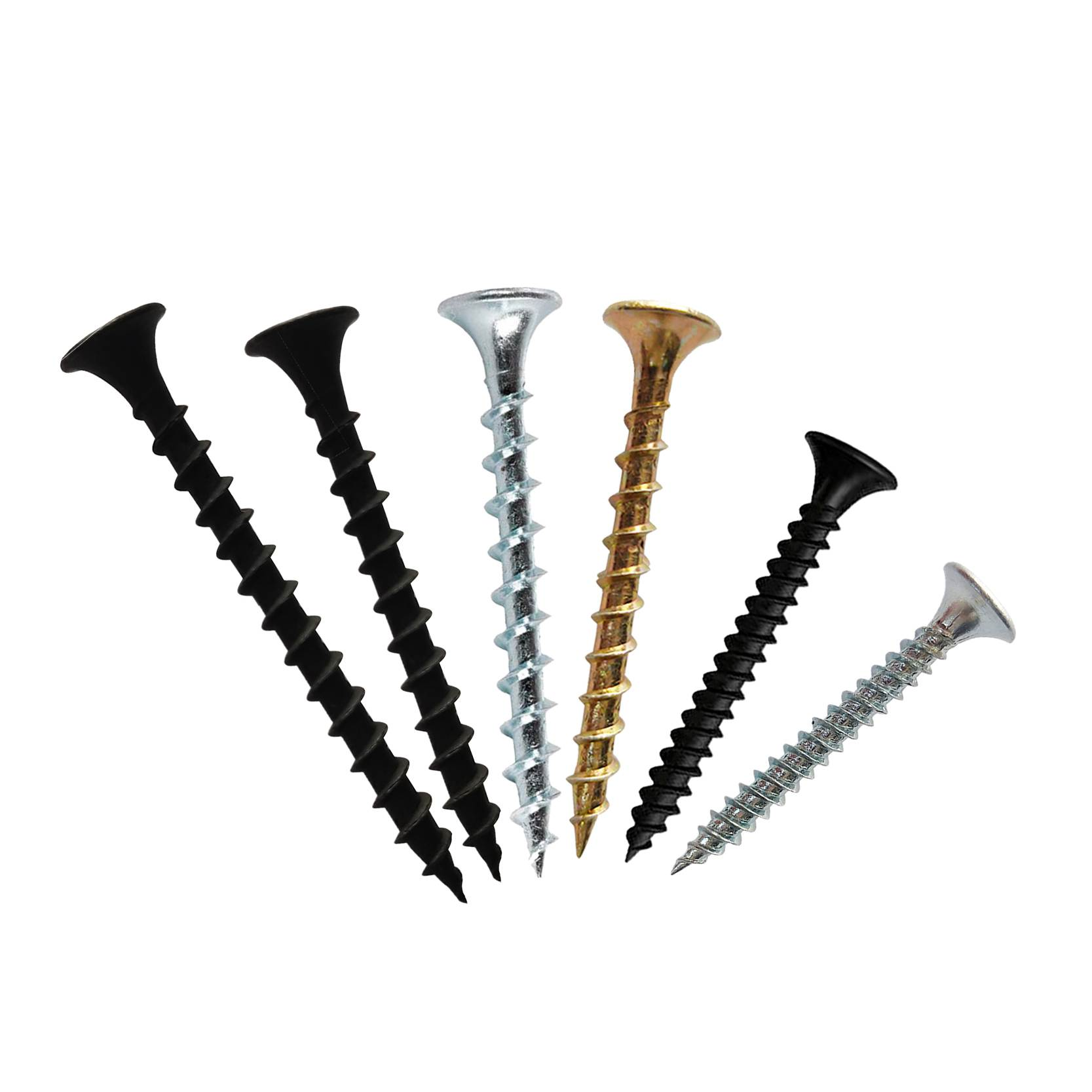
The automotive industry's relentless pursuit of performance, efficiency, and weight reduction has driven engineers to explore advanced materials that deliver exceptional strength-to-weight ratios and corrosion resistance. Among these materials, titanium bolts have emerged as a critical component in high-performance automotive applications, offering material advantages that traditional steel fasteners simply cannot match. Understanding why titanium bolts have become the preferred choice requires examining their unique metallurgical properties, performance characteristics, and practical benefits in demanding automotive environments.
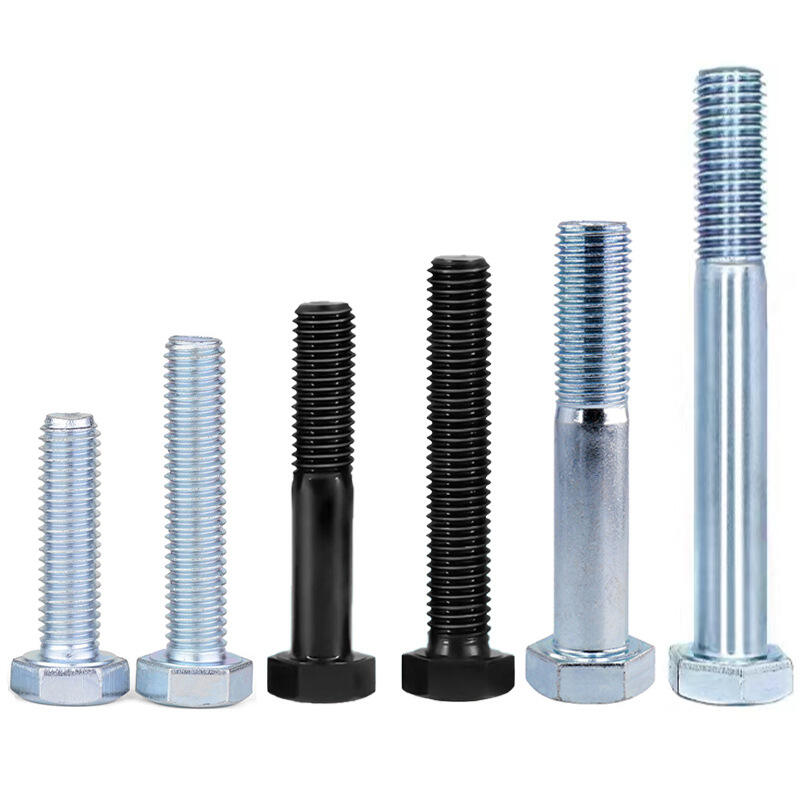
The material science behind titanium bolts reveals why they excel in high-performance automotive applications where every gram matters and failure is not an option. These fasteners combine the strength characteristics needed for critical structural connections with the weight savings that enhance vehicle dynamics and fuel efficiency. The unique crystalline structure of titanium provides these bolts with exceptional fatigue resistance, temperature stability, and chemical inertness that makes them ideal for racing applications, luxury vehicles, and specialized automotive components where performance cannot be compromised.
Exceptional Strength-to-Weight Ratio Performance
Superior Tensile Strength Characteristics
Titanium bolts deliver remarkable tensile strength while maintaining significantly lower weight compared to traditional steel alternatives. The specific strength of titanium alloys used in automotive fasteners typically ranges from 120 to 140 kN·m/kg, which is substantially higher than high-strength steel bolts. This superior strength-to-weight ratio allows engineers to specify smaller diameter titanium bolts for the same load-bearing requirements, reducing overall component weight while maintaining structural integrity.
The crystalline structure of titanium provides these bolts with yield strengths ranging from 880 to 1,100 MPa depending on the specific alloy composition. This high yield strength ensures that titanium bolts can handle the extreme loads encountered in high-performance automotive applications without permanent deformation. The material's ability to maintain these strength characteristics under varying temperature conditions makes titanium bolts particularly valuable in engine bay applications where thermal cycling is constant.
Unlike steel bolts that may experience strength degradation at elevated temperatures, titanium bolts maintain their mechanical properties across a wide temperature range. This thermal stability ensures consistent clamping force and joint integrity even under the extreme operating conditions found in racing engines, turbocharger assemblies, and exhaust systems where temperatures can exceed 600°C.
Weight Reduction Benefits
The density advantage of titanium bolts becomes immediately apparent when comparing weight specifications with steel alternatives. Titanium has a density of approximately 4.5 g/cm³ compared to steel's 7.8 g/cm³, resulting in weight savings of approximately 40-45% for equivalent fastener sizes. In high-performance automotive applications where hundreds of bolts may be used throughout the vehicle, this weight reduction translates to measurable improvements in power-to-weight ratios and handling characteristics.
Racing applications particularly benefit from the cumulative weight savings achieved through titanium bolt implementation. A complete set of titanium bolts for an engine assembly can reduce weight by 15-25 pounds compared to steel fasteners, shifting the vehicle's center of gravity and improving acceleration, braking, and cornering performance. This weight reduction is especially valuable in motorsports where regulations strictly limit minimum vehicle weights.
The unsprung weight reduction achieved by using titanium bolts in suspension components, wheel assemblies, and brake systems provides additional performance benefits. Lower unsprung weight improves suspension response, reduces tire loading variations, and enhances overall vehicle dynamics. These improvements are particularly noticeable in high-performance driving situations where precise handling characteristics determine competitive advantage.
Outstanding Corrosion Resistance Properties
Chemical Inertness and Environmental Protection
The inherent corrosion resistance of titanium bolts stems from the formation of a stable, self-healing oxide layer that protects the underlying metal from chemical attack. This passive oxide film, primarily composed of titanium dioxide, forms naturally when titanium is exposed to oxygen and provides exceptional protection against a wide range of corrosive environments commonly encountered in automotive applications.
Automotive environments expose fasteners to various corrosive agents including road salt, brake fluid, engine coolants, and fuel additives. Steel bolts typically require protective coatings or treatments to resist these conditions, but titanium bolts maintain their integrity without additional surface treatments. This natural corrosion resistance eliminates concerns about coating degradation, galvanic corrosion, and the need for replacement due to environmental deterioration.
The electrochemical properties of titanium bolts provide additional protection in mixed-material assemblies. Unlike steel fasteners that can create galvanic cells when in contact with aluminum or carbon fiber components, titanium's position in the galvanic series minimizes the risk of electrochemical corrosion. This compatibility makes titanium bolts ideal for modern automotive applications that increasingly utilize lightweight materials like aluminum space frames and carbon fiber body panels.
Long-Term Durability Advantages
The service life of titanium bolts in automotive applications significantly exceeds that of steel alternatives due to their resistance to fatigue crack initiation and propagation. The material's excellent fatigue resistance, combined with its corrosion immunity, ensures that titanium bolts maintain their clamping force and structural integrity throughout extended service intervals without degradation.
Testing data demonstrates that titanium bolts can withstand millions of load cycles without failure, even in high-stress applications such as connecting rod bolts and suspension mounting hardware. This exceptional fatigue life reduces maintenance requirements and eliminates the risk of unexpected failures that could compromise vehicle safety or performance during critical operating conditions.
The absence of corrosion-related degradation means that titanium bolts retain their original specifications throughout their service life. Unlike steel bolts that may experience thread damage, dimensional changes, or reduced tensile strength due to corrosion, titanium bolts maintain consistent performance characteristics. This reliability is particularly important in safety-critical applications where bolt failure could result in catastrophic consequences.
Superior High-Temperature Performance
Thermal Stability Under Extreme Conditions
Titanium bolts demonstrate exceptional thermal stability that makes them indispensable in high-temperature automotive applications. While conventional steel bolts may experience significant strength reduction at elevated temperatures, titanium alloys maintain their mechanical properties up to approximately 600°C. This thermal stability ensures reliable performance in exhaust systems, turbocharger assemblies, and engine bay applications where extreme temperatures are routine.
The coefficient of thermal expansion for titanium closely matches that of aluminum and carbon fiber composites commonly used in high-performance automotive construction. This thermal compatibility prevents the development of differential thermal stresses that could loosen joints or cause component distortion during thermal cycling. The matched expansion characteristics ensure that clamping forces remain consistent across the operating temperature range.
Engine applications particularly benefit from titanium bolts' thermal performance characteristics. Cylinder head bolts, exhaust manifold fasteners, and turbocharger mounting hardware must withstand repeated thermal cycles while maintaining precise clamping forces. Titanium bolts' ability to resist thermal fatigue and maintain dimensional stability under these conditions makes them essential for reliable engine operation at high performance levels.
Resistance to Thermal Cycling Damage
The microstructural stability of titanium bolts provides superior resistance to thermal cycling damage compared to steel alternatives. Repeated heating and cooling cycles can cause microstructural changes in steel that lead to reduced ductility and increased susceptibility to fatigue failure. Titanium's crystalline structure remains stable through thermal cycling, preserving the material's mechanical properties and service life.
Automotive applications subject fasteners to thousands of thermal cycles throughout their service life, particularly in engine and exhaust system applications. The ability of titanium bolts to withstand these thermal stresses without degradation ensures long-term reliability and reduces the risk of temperature-related failures that could compromise vehicle performance or safety.
The thermal conductivity characteristics of titanium bolts also contribute to their performance advantages. Lower thermal conductivity compared to steel reduces heat transfer through the fastener, protecting threaded components and reducing thermal stress concentrations. This property is particularly beneficial in applications where the bolt connects components at different operating temperatures.
Enhanced Fatigue Resistance and Reliability
Crack Propagation Resistance
The fatigue performance of titanium bolts represents one of their most significant advantages in high-performance automotive applications. Titanium's resistance to fatigue crack initiation and propagation exceeds that of high-strength steel, ensuring reliable performance under the cyclic loading conditions common in automotive environments. The material's ability to resist crack growth even when surface defects are present provides additional safety margins in critical applications.
Vibration-induced fatigue represents a primary failure mode for automotive fasteners, particularly in engine and drivetrain applications where constant oscillations create cyclic stress patterns. Titanium bolts demonstrate superior endurance limits that allow them to withstand millions of load cycles without developing fatigue cracks. This exceptional fatigue life eliminates concerns about vibration-related failures that could compromise vehicle reliability.
The smooth fracture surface characteristics of titanium also provide advantages in fatigue-critical applications. When fatigue cracks do initiate, they tend to propagate more predictably than in steel, providing warning signs before catastrophic failure occurs. This damage tolerance characteristic makes titanium bolts particularly suitable for safety-critical applications where early detection of potential failures is important.
Consistent Performance Under Dynamic Loading
Dynamic loading conditions in automotive applications create complex stress patterns that challenge fastener materials. Titanium bolts excel under these conditions due to their high strength, excellent fatigue resistance, and ability to maintain consistent mechanical properties throughout their service life. The material's resistance to work hardening and softening ensures stable performance characteristics even after extended exposure to dynamic loads.
Suspension system applications particularly benefit from titanium bolts' dynamic performance characteristics. The constant loading and unloading cycles experienced during normal driving create fatigue conditions that can lead to bolt failure in inferior materials. Titanium's ability to handle these dynamic loads without degradation ensures reliable suspension performance and vehicle handling characteristics throughout the component's service life.
The damping characteristics of titanium also contribute to improved performance under dynamic loading conditions. The material's ability to absorb and dissipate vibration energy reduces stress concentrations and minimizes the transmission of harmful oscillations through bolted joints. This vibration damping property helps protect connected components and extends overall system durability.
FAQ
How much weight can be saved by using titanium bolts instead of steel bolts in automotive applications?
Titanium bolts typically provide weight savings of 40-45% compared to equivalent steel fasteners due to titanium's lower density of 4.5 g/cm³ versus steel's 7.8 g/cm³. In a complete high-performance vehicle application, switching to titanium bolts can result in total weight reductions of 20-30 pounds, significantly improving power-to-weight ratios and vehicle dynamics.
Are titanium bolts suitable for all automotive applications or only specific use cases?
While titanium bolts excel in high-performance applications, they are most beneficial in situations where weight reduction, corrosion resistance, or high-temperature performance are critical factors. They are ideal for engine bay applications, suspension components, exhaust systems, and racing applications. For standard automotive maintenance where cost is the primary consideration, steel bolts may remain appropriate for non-critical applications.
Do titanium bolts require special installation procedures or torque specifications?
Titanium bolts generally require specific torque specifications that differ from steel equivalents due to their different elastic modulus and thread characteristics. Installation typically requires clean, dry threads and the use of anti-seize compounds designed for titanium. Proper torque values should be obtained from the manufacturer to ensure optimal clamping force without over-stressing the fastener.
How does the cost of titanium bolts compare to steel alternatives and what justifies the price difference?
Titanium bolts typically cost 5-10 times more than equivalent steel fasteners due to material costs and manufacturing complexity. However, this initial investment is justified by superior performance characteristics including weight savings, corrosion resistance, extended service life, and improved fatigue performance. In high-performance applications, the performance benefits and reduced maintenance requirements often offset the higher initial cost over the component's service life.
Table of Contents
- Exceptional Strength-to-Weight Ratio Performance
- Outstanding Corrosion Resistance Properties
- Superior High-Temperature Performance
- Enhanced Fatigue Resistance and Reliability
-
FAQ
- How much weight can be saved by using titanium bolts instead of steel bolts in automotive applications?
- Are titanium bolts suitable for all automotive applications or only specific use cases?
- Do titanium bolts require special installation procedures or torque specifications?
- How does the cost of titanium bolts compare to steel alternatives and what justifies the price difference?