
 EN
EN
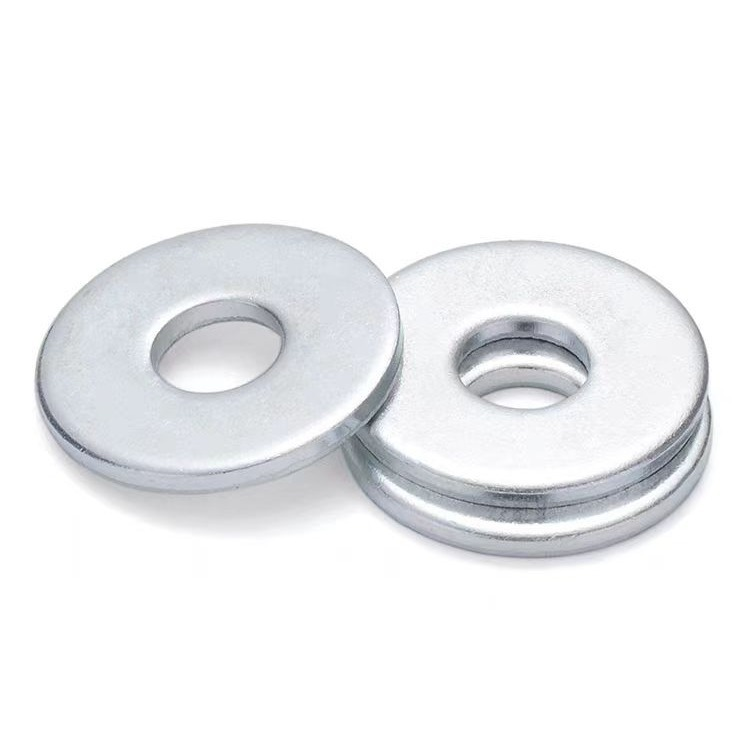
Modern automotive assembly lines operate with razor-sharp precision where every component must meet exacting specifications. The foundation of reliable vehicle manufacturing depends heavily on precision nuts and bolts that ensure structural integrity throughout the production process. These critical fastening components serve as the backbone of automotive assembly operations, where tolerances measured in fractions of millimeters can determine the difference between a successful production run and costly downtime.
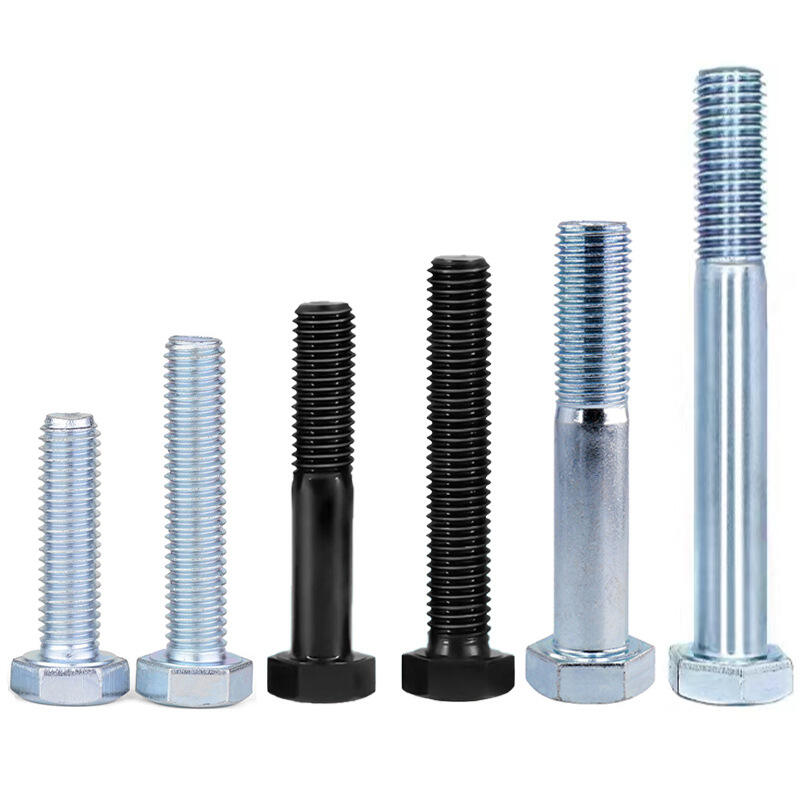
Manufacturing engineers understand that precision nuts and bolts represent more than simple fasteners in automotive applications. These components must withstand extreme operating conditions including temperature fluctuations, vibration stress, and dynamic loading while maintaining consistent clamping force. The automotive industry demands fasteners that perform reliably across millions of assembly cycles without compromising joint integrity or introducing variations that could affect vehicle quality.
Quality control protocols in automotive manufacturing require precision nuts and bolts to meet stringent dimensional tolerances and material specifications. Advanced manufacturing facilities implement comprehensive testing procedures to verify that each fastener batch maintains the required mechanical properties and geometric accuracy. This attention to detail ensures that assembly line workers can install components with confidence, knowing that the fastening hardware will perform consistently throughout the vehicle's service life.
Material Science Behind Automotive Fastener Performance
Steel Alloy Composition for Enhanced Durability
High-performance precision nuts and bolts utilize specialized steel alloys engineered to withstand the demanding conditions of automotive applications. These materials typically incorporate carbon, manganese, and chromium in carefully controlled proportions to achieve optimal strength-to-weight ratios. The metallurgical properties of automotive fasteners must balance tensile strength with ductility to prevent brittle failure under dynamic loading conditions.
Heat treatment processes play a crucial role in developing the mechanical properties required for automotive precision nuts and bolts. Through controlled heating and cooling cycles, manufacturers optimize the microstructure to achieve specific hardness levels while maintaining fracture toughness. This thermal processing ensures that fasteners can handle the cyclic stresses encountered during vehicle operation without experiencing fatigue failure.
Surface treatments applied to precision nuts and bolts provide additional protection against corrosion and wear. Zinc plating, phosphate coatings, and specialized organic finishes create barriers that extend fastener service life in harsh automotive environments. These protective layers also reduce friction during installation, enabling consistent torque-tension relationships that are critical for proper joint preload.
Thread Geometry and Tolerance Control
The thread profile of precision nuts and bolts must conform to exacting dimensional standards to ensure reliable engagement and load distribution. Automotive applications typically require Class 2A and Class 2B thread tolerances that provide optimal fit while accommodating normal manufacturing variations. These tolerance bands ensure that threaded connections achieve proper preload without requiring excessive installation torque.
Advanced thread rolling processes create stronger, more durable precision nuts and bolts compared to traditional machining methods. Cold forming techniques work-harden the thread flanks while maintaining smooth surface finishes that resist galling and seizing. The continuous grain flow achieved through rolling also eliminates stress concentration points that could initiate crack propagation under cyclic loading.
Pitch diameter accuracy represents a critical parameter for precision nuts and bolts used in automated assembly systems. Computerized measurement systems verify that thread dimensions fall within specified limits to ensure consistent engagement characteristics. This dimensional control prevents cross-threading incidents that could damage expensive assembly tooling or compromise joint integrity.
Quality Assurance Protocols for Assembly Line Integration
Incoming Material Inspection Procedures
Automotive manufacturers implement rigorous inspection protocols for precision nuts and bolts before allowing these components into production areas. Statistical sampling plans based on military standards ensure that incoming fastener lots meet dimensional and mechanical property requirements. Advanced coordinate measuring machines verify thread geometry while tensile testing confirms yield strength and ultimate strength values.
Material traceability systems track precision nuts and bolts from raw material sources through final assembly applications. Unique lot identification codes enable rapid investigation of any quality issues while maintaining complete documentation of manufacturing processes. This traceability proves essential for automotive recall situations where specific fastener populations must be identified and addressed.
Environmental stress testing validates the performance of precision nuts and bolts under accelerated aging conditions. Salt spray exposure, thermal cycling, and vibration testing simulate years of service in compressed timeframes. These qualification tests provide confidence that fasteners will maintain their specified properties throughout the vehicle's design life.
Installation Process Validation
Torque monitoring systems track the installation characteristics of precision nuts and bolts during assembly operations. Real-time feedback ensures that each fastener achieves the target preload while detecting potential problems such as stripped threads or insufficient lubrication. These monitoring systems also collect data for statistical process control analysis.
Joint integrity verification procedures confirm that precision nuts and bolts achieve proper clamping force after installation. Ultrasonic bolt stress measurement provides non-destructive assessment of preload levels while strain gauge testing validates joint behavior under simulated service loads. These verification methods ensure that critical connections meet design requirements before vehicles leave the assembly plant.
Worker training programs emphasize proper handling and installation techniques for precision nuts and bolts. Standardized procedures prevent damage during assembly while ensuring consistent results across different operators and shifts. Regular competency assessments maintain skill levels and identify opportunities for process improvement.
Cost Impact and Operational Efficiency Considerations
Total Cost of Ownership Analysis
Investment in high-quality precision nuts and bolts delivers significant long-term value through reduced warranty claims and service interventions. While premium fasteners command higher initial costs, their superior reliability prevents expensive field failures that could damage brand reputation. Automotive manufacturers increasingly recognize that fastener quality directly impacts total vehicle cost of ownership.
Supply chain optimization for precision nuts and bolts focuses on strategic partnerships with qualified suppliers who demonstrate consistent quality performance. Long-term agreements with trusted vendors reduce procurement costs while ensuring reliable delivery schedules. These relationships also facilitate collaborative improvement initiatives that benefit both parties.
Inventory management strategies for precision nuts and bolts balance carrying costs against stockout risks. Just-in-time delivery systems minimize working capital requirements while maintaining adequate safety stock levels. Advanced planning systems coordinate fastener procurement with production schedules to optimize inventory turnover.
Automation and Efficiency Gains
Automated assembly systems rely on the consistent dimensions and properties of precision nuts and bolts to achieve target cycle times. Robotic installation equipment performs optimally when fasteners exhibit minimal variation in thread engagement force and installation torque requirements. This consistency enables higher production rates while maintaining quality standards.
Lean manufacturing principles applied to precision nuts and bolts procurement eliminate waste while improving material flow. Standardization initiatives reduce the number of unique fastener part numbers while maintaining functional requirements. These simplification efforts streamline inventory management and reduce the potential for assembly errors.
Predictive maintenance programs monitor the condition of installation tooling used with precision nuts and bolts. Regular calibration and replacement of worn components ensure consistent installation quality while preventing unexpected downtime. These maintenance strategies also extend tool life by preventing damage from improper fastener installation.
Future Trends and Technological Developments
Smart Fastener Technology Integration
Emerging technologies enable precision nuts and bolts to incorporate sensing capabilities that monitor joint condition in real-time. Embedded strain sensors provide continuous feedback about preload levels while wireless communication systems transmit data to maintenance management systems. These intelligent fasteners represent the next evolution in automotive assembly technology.
Digital twin modeling for precision nuts and bolts enables virtual testing of new designs before physical prototyping. Advanced simulation software predicts fastener performance under various loading scenarios while optimizing material utilization. These computational tools accelerate development cycles while reducing testing costs.
Blockchain technology offers new possibilities for tracking precision nuts and bolts throughout their lifecycle. Immutable records provide complete traceability while enabling rapid identification of affected components during recall situations. This technology also facilitates collaborative quality improvement initiatives between suppliers and manufacturers.
Sustainable Manufacturing Practices
Environmental considerations increasingly influence the selection and production of precision nuts and bolts for automotive applications. Recycled steel content reduces raw material consumption while specialized coatings eliminate hazardous substances. These sustainability initiatives align with corporate environmental goals while maintaining performance requirements.
Circular economy principles applied to precision nuts and bolts emphasize reuse and recycling opportunities. Design for disassembly facilitates component recovery at end-of-life while material identification systems enable proper sorting for recycling processes. These approaches reduce waste while recovering valuable materials.
Life cycle assessment methodologies quantify the environmental impact of precision nuts and bolts from raw material extraction through end-of-life disposal. These analyses identify opportunities for improvement while supporting informed decision-making about material selections and manufacturing processes.
FAQ
What tolerances are typically required for precision nuts and bolts in automotive assembly
Automotive precision nuts and bolts typically require Class 2A and Class 2B thread tolerances with dimensional accuracy of plus or minus 0.1mm for critical dimensions. Thread pitch accuracy must be maintained within 0.02mm deviation while surface finish specifications range from 1.6 to 3.2 micrometers Ra depending on the application requirements.
How do environmental conditions affect precision nuts and bolts performance in automotive applications
Temperature fluctuations between negative 40 and positive 150 degrees Celsius can cause thermal expansion that affects joint preload in precision nuts and bolts. Humidity exposure creates corrosion risks that protective coatings must address while road salt and chemical exposure require specialized surface treatments to maintain long-term reliability.
What testing procedures validate precision nuts and bolts for automotive use
Comprehensive testing for automotive precision nuts and bolts includes tensile strength verification, proof load testing, and hardness measurement according to ASTM and ISO standards. Additional evaluations cover salt spray corrosion resistance, hydrogen embrittlement susceptibility, and fatigue life under cyclic loading conditions that simulate vehicle service environments.
How do precision nuts and bolts contribute to vehicle safety and reliability
Safety-critical automotive systems depend on precision nuts and bolts to maintain structural integrity under crash loads and operational stresses. These fasteners secure engine mounts, suspension components, and safety system brackets where failure could result in catastrophic consequences. Consistent clamping force and fatigue resistance ensure long-term reliability throughout the vehicle service life.
Table of Contents
- Material Science Behind Automotive Fastener Performance
- Quality Assurance Protocols for Assembly Line Integration
- Cost Impact and Operational Efficiency Considerations
- Future Trends and Technological Developments
-
FAQ
- What tolerances are typically required for precision nuts and bolts in automotive assembly
- How do environmental conditions affect precision nuts and bolts performance in automotive applications
- What testing procedures validate precision nuts and bolts for automotive use
- How do precision nuts and bolts contribute to vehicle safety and reliability