
 EN
EN
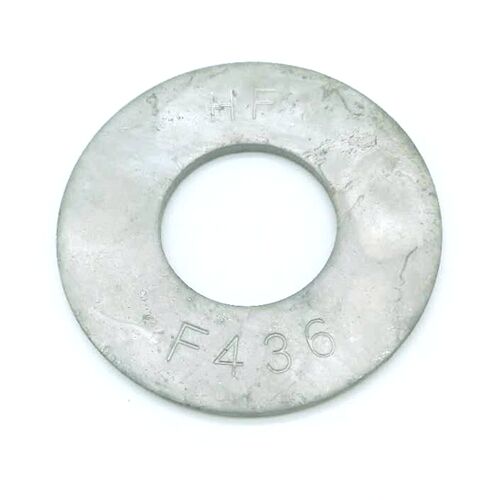
The fundamental building blocks of modern construction and manufacturing rely heavily on fastening systems that must withstand tremendous forces while maintaining structural integrity. Proper installation techniques and precise torque control represent critical factors that determine whether nuts and bolts will perform reliably throughout their intended service life. When these essential fasteners are installed correctly with appropriate torque specifications, they create secure connections that resist loosening, prevent premature failure, and ensure optimal load distribution across joined materials. Understanding the relationship between installation methodology and fastener performance enables engineers, technicians, and maintenance professionals to maximize the effectiveness of their mechanical assemblies.
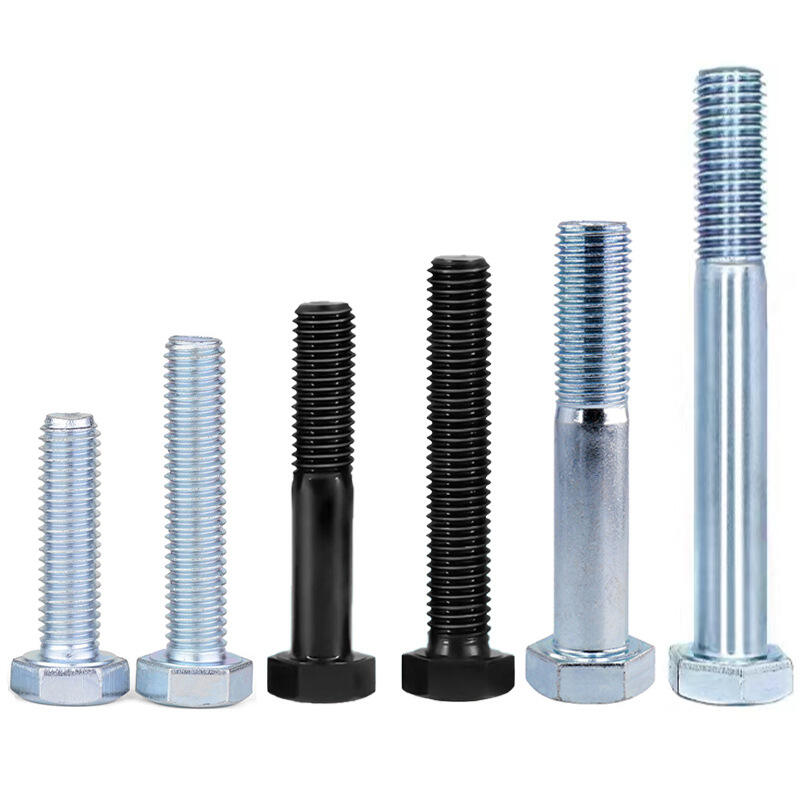
Understanding Torque Fundamentals in Fastener Applications
The Science Behind Proper Torque Application
Torque application in nuts and bolts creates the clamping force necessary to maintain joint integrity under various loading conditions. When a threaded fastener is tightened, the applied torque generates tension in the bolt shank, which translates to compressive force between the joined components. This preload tension keeps the connection secure by ensuring that external forces acting on the joint must first overcome the clamping force before any relative movement can occur between the fastened parts.
The relationship between applied torque and resulting clamp load follows predictable engineering principles, though several variables influence this conversion. Thread pitch, material properties, surface finishes, and lubrication conditions all affect how efficiently rotational force converts to linear tension. Professional installations require careful consideration of these factors to achieve the desired clamping force without over-stressing the fastener or under-tightening the connection.
Material Properties and Torque Requirements
Different materials used in nuts and bolts manufacturing exhibit varying responses to torque application, necessitating specific installation procedures for optimal performance. Steel fasteners typically provide predictable torque-tension relationships, making them suitable for applications requiring precise preload control. Stainless steel variants offer enhanced corrosion resistance but may require modified torque specifications due to their different mechanical properties and tendency toward galling during installation.
Aluminum fasteners present unique challenges in torque control applications, as their lower strength and different elastic properties require reduced torque values to prevent thread stripping or fastener failure. The coefficient of friction between mating surfaces significantly influences the torque-to-tension conversion, making surface preparation and lubrication critical considerations in achieving consistent results across multiple installations.
Installation Techniques That Enhance Fastener Performance
Sequential Tightening Patterns for Multi-Fastener Assemblies
Multi-fastener joints requiring multiple nuts and bolts benefit significantly from systematic tightening sequences that distribute loads evenly across all connection points. Star patterns or cross-patterns ensure that clamping forces develop uniformly, preventing localized stress concentrations that could lead to joint distortion or premature fastener failure. This approach proves particularly important in critical applications such as engine assemblies, pressure vessel connections, and structural steel joints where uneven loading could compromise overall system integrity.
Progressive tightening techniques involve multiple passes through the fastener pattern, gradually increasing torque values with each iteration until reaching the final specification. This methodology allows the joint components to settle and redistribute stresses naturally, resulting in more consistent clamping forces across all fasteners. The progressive approach proves especially valuable when working with compressible gasket materials or flexible joint components that require time to accommodate the developing preload forces.
Temperature Considerations During Installation
Thermal effects significantly influence the performance characteristics of nuts and bolts during both installation and service conditions. Temperature variations affect material properties, changing the elastic modulus and yield strength of fastener materials, which directly impacts the relationship between applied torque and resulting tension. Cold installation environments may require torque adjustments to compensate for increased material stiffness, while elevated temperatures can reduce fastener strength and alter friction coefficients.
Differential thermal expansion between fastener materials and joined components creates additional complexity in torque specification development. When dissimilar materials expand at different rates during service, the preload tension in nuts and bolts may increase or decrease depending on the temperature change and material combinations involved. Proper installation procedures account for these thermal effects by selecting appropriate fastener materials and adjusting torque specifications based on anticipated operating temperature ranges.
Tools and Equipment for Precision Torque Control
Torque Wrench Selection and Calibration
Professional-grade torque wrenches provide the accuracy and repeatability necessary for achieving consistent installation results with nuts and bolts across various applications. Click-type torque wrenches offer audible and tactile feedback when reaching the preset torque value, making them suitable for general-purpose installations where moderate precision suffices. Beam-type instruments provide continuous torque indication through dial or digital displays, enabling real-time monitoring of applied forces during the tightening process.
Electronic torque wrenches represent the most sophisticated option for critical installations, offering data logging capabilities, programmable torque sequences, and enhanced accuracy specifications. These advanced tools can store multiple torque settings, track installation statistics, and provide detailed records for quality assurance purposes. Regular calibration of all torque measurement equipment ensures continued accuracy and compliance with industry standards and specifications.
Alternative Tensioning Methods for Critical Applications
Hydraulic tensioning systems bypass the limitations of traditional torque-controlled installation by directly applying the desired preload tension to nuts and bolts through mechanical stretch. These systems eliminate the variability associated with friction coefficients and thread conditions, providing more consistent and predictable results in critical applications. Hydraulic tensioners prove particularly valuable for large-diameter fasteners where achieving uniform preload through conventional torque methods becomes challenging.
Ultrasonic bolt load monitoring represents an emerging technology that measures fastener tension through acoustic wave propagation characteristics. This non-destructive method allows verification of actual preload forces without relying on torque-tension correlations, providing direct feedback on installation quality and enabling ongoing monitoring of fastener condition during service. Advanced tensioning systems often incorporate multiple measurement techniques to ensure optimal installation results and long-term reliability.
Common Installation Errors and Prevention Strategies
Over-Torquing Consequences and Avoidance
Excessive torque application represents one of the most common installation errors affecting nuts and bolts performance, often resulting from misunderstanding torque specifications or using improperly calibrated tools. Over-torquing can cause thread stripping, fastener yielding, or complete failure during installation, creating safety hazards and requiring costly repairs or replacements. The stress concentration effects of over-torquing also reduce fatigue life in dynamic applications, as the fastener operates closer to its ultimate strength limit.
Prevention strategies for over-torquing include thorough technician training on proper torque wrench operation, regular tool calibration schedules, and implementation of quality control procedures that verify installation torques through sampling or complete inspection. Clear documentation of torque specifications for different fastener sizes, grades, and applications helps prevent confusion and ensures consistent installation practices across multiple personnel and projects.
Under-Torquing Risks and Detection Methods
Insufficient torque application creates connections that lack adequate clamping force to resist operational loads, leading to joint loosening, fretting wear, and potential separation of fastened components. Under-torqued nuts and bolts may appear secure initially but gradually lose preload tension through micro-movements and settling of joint surfaces. This progressive loosening process can accelerate under dynamic loading conditions, vibration, or thermal cycling.
Detection of under-torqued installations requires systematic verification procedures that may include re-torquing checks, ultrasonic measurement, or tension indicator devices. Visual inspection techniques can identify obvious signs of loosening such as fastener backing-out or gap development between joint surfaces. Implementing periodic maintenance schedules that include torque verification helps identify and correct under-torqued connections before they compromise system integrity or safety.
Industry Standards and Specification Guidelines
ASTM and ISO Fastener Standards
International standards organizations provide comprehensive guidelines for nuts and bolts installation procedures, material specifications, and performance requirements across various industrial applications. ASTM standards establish minimum mechanical properties, dimensional tolerances, and marking requirements for different fastener grades, ensuring consistency and reliability in threaded fastener applications. These standards also specify testing procedures for validating fastener performance under various loading conditions and environmental exposures.
ISO standards complement ASTM specifications by providing metric equivalents and additional guidance for global fastener applications. The harmonization of international standards facilitates component interchangeability and supports consistent installation practices across multinational projects. Understanding applicable standards helps engineers select appropriate fastener grades and develop installation procedures that meet regulatory requirements and industry best practices.
Application-Specific Torque Specifications
Different industrial applications require customized torque specifications that account for specific loading conditions, environmental factors, and safety requirements affecting nuts and bolts performance. Automotive applications typically specify torque values based on component function, with higher values for critical safety systems and lower values for non-structural attachments. Aerospace applications demand even more stringent requirements, often incorporating multiple verification methods and detailed documentation procedures.
Construction and structural applications rely on building codes and engineering specifications that define minimum torque requirements for different connection types and loading scenarios. These specifications consider factors such as wind loads, seismic forces, and long-term stress relaxation effects when establishing installation requirements. Proper interpretation and application of these specifications ensures that nuts and bolts installations meet design intent and regulatory compliance requirements.
Maintenance and Long-Term Performance Monitoring
Periodic Inspection Procedures
Systematic maintenance programs for nuts and bolts installations include regular inspection schedules that identify potential issues before they compromise joint integrity or system performance. Visual inspections check for obvious signs of loosening, corrosion, or mechanical damage that could affect fastener reliability. More detailed inspections may involve partial disassembly, surface cleaning, and dimensional verification to assess fastener condition and remaining service life.
Torque verification procedures form an essential component of maintenance inspections, confirming that preload tensions remain within acceptable ranges throughout the service period. These checks may reveal gradual loosening trends that require corrective action or indicate the need for fastener replacement due to fatigue or wear. Documentation of inspection results provides valuable data for optimizing maintenance intervals and improving installation procedures for future applications.
Environmental Factors Affecting Long-Term Performance
Corrosive environments significantly impact the long-term performance of nuts and bolts installations, potentially affecting both mechanical properties and dimensional stability of threaded fasteners. Chemical exposure, moisture, and temperature variations can accelerate material degradation, alter surface conditions, and compromise the integrity of protective coatings. Understanding these environmental effects enables selection of appropriate fastener materials and protective measures to maintain performance throughout the intended service life.
Vibration and dynamic loading conditions present additional challenges for nuts and bolts installations, as repeated stress cycles can cause gradual loosening or fatigue failure over time. High-vibration applications may require specialized fastener designs, thread-locking compounds, or alternative connection methods to maintain joint integrity. Regular monitoring of dynamic installations helps identify performance trends and optimize maintenance schedules for maximum reliability and safety.
FAQ
What happens if nuts and bolts are not torqued to specification?
When nuts and bolts are not torqued to proper specifications, several serious consequences can occur that compromise joint integrity and system performance. Under-torqued fasteners lack sufficient clamping force to resist operational loads, leading to gradual loosening, fretting wear, and potential component separation. Over-torqued installations can cause thread damage, fastener yielding, or complete failure during installation, creating immediate safety hazards and requiring costly repairs or replacements.
How often should torque specifications be verified during maintenance?
The frequency of torque verification depends on the specific application, environmental conditions, and criticality of the fastened components. High-vibration or safety-critical installations may require monthly or quarterly checks, while stable environments might allow annual verification schedules. Dynamic applications with nuts and bolts subjected to repeated loading cycles typically need more frequent monitoring to detect gradual loosening trends before they compromise system integrity.
Can different fastener materials require modified installation procedures?
Yes, different fastener materials used in nuts and bolts manufacturing require specific installation procedures and torque specifications to achieve optimal performance. Stainless steel fasteners may need reduced torque values and special lubrication to prevent galling during installation. Aluminum fasteners require significantly lower torque specifications due to their reduced strength and different elastic properties. High-strength steel grades often demand precise torque control to avoid over-stressing while achieving adequate preload tension.
What tools provide the most accurate torque control for critical installations?
Electronic torque wrenches offer the highest accuracy and repeatability for critical nuts and bolts installations, providing digital displays, data logging capabilities, and programmable torque sequences. Hydraulic tensioning systems represent the ultimate precision option for large or critical fasteners, directly applying desired preload forces while bypassing friction-related variables. Click-type torque wrenches provide adequate accuracy for general applications, while beam-type instruments offer continuous torque monitoring during the tightening process.
Table of Contents
- Understanding Torque Fundamentals in Fastener Applications
- Installation Techniques That Enhance Fastener Performance
- Tools and Equipment for Precision Torque Control
- Common Installation Errors and Prevention Strategies
- Industry Standards and Specification Guidelines
- Maintenance and Long-Term Performance Monitoring
- FAQ