
 EN
EN
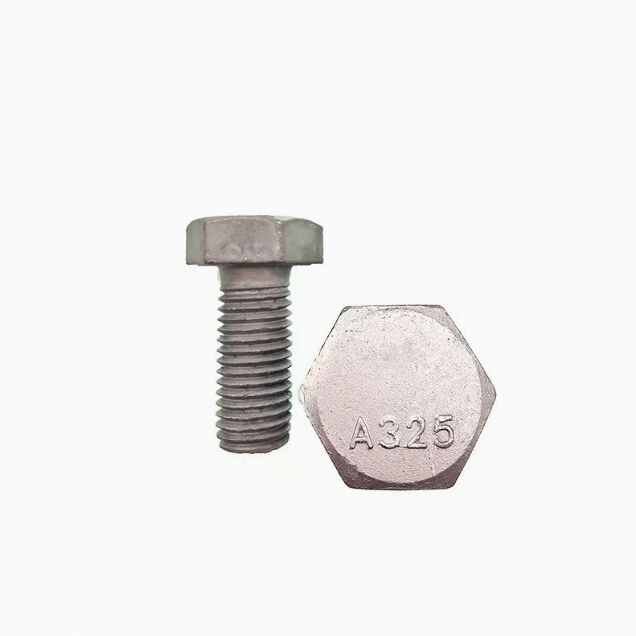
The construction and machinery industries rely heavily on specialized fastening solutions to ensure structural integrity and operational safety. Among the most critical components in these sectors are heavy hex structural bolt systems, which provide the essential connection points that hold massive frameworks together. These robust fastening elements have become indispensable in modern construction projects, from towering skyscrapers to expansive industrial facilities. Understanding the specific applications and benefits of these specialized fasteners is crucial for engineers, contractors, and procurement professionals who demand reliability in their most demanding projects.
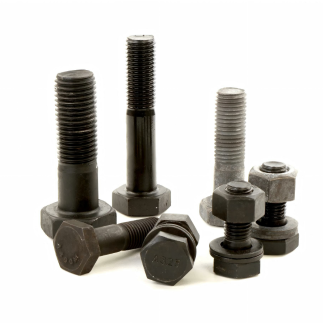
Critical Structural Applications in Modern Construction
High-Rise Building Framework Assembly
Modern skyscrapers and high-rise buildings depend on the exceptional strength characteristics of heavy hex structural bolt assemblies to maintain their structural integrity under extreme loads. These specialized fasteners connect steel beams, columns, and girders in configurations that must withstand wind loads, seismic forces, and the tremendous weight of multi-story structures. The hexagonal head design provides superior torque application capabilities, allowing construction crews to achieve precise tension specifications that are critical for maintaining structural safety standards.
Construction engineers specifically choose heavy hex structural bolt solutions for their ability to distribute loads evenly across connection points, reducing stress concentrations that could lead to structural failure. The larger hex head diameter compared to standard bolts enables the use of more substantial washers and provides increased bearing surface area, which is essential when connecting thick steel members under high-stress conditions. This enhanced load distribution capability makes these fasteners particularly valuable in earthquake-prone regions where buildings must flex without compromising structural connections.
Bridge and Infrastructure Development
Bridge construction represents one of the most demanding applications for heavy hex structural bolt technology, where these fasteners must endure constant dynamic loading from vehicular traffic, environmental stresses, and thermal expansion cycles. Highway overpasses, railway bridges, and pedestrian walkways all utilize these specialized bolts to connect primary structural members that carry immense loads across expansive spans. The superior grip strength and resistance to loosening under vibration make heavy hex structural bolt assemblies ideal for these critical infrastructure applications.
Infrastructure projects often require fasteners that can maintain their integrity for decades without significant maintenance, making the corrosion resistance and durability of heavy hex structural bolt systems particularly valuable. These bolts are frequently specified with specialized coatings or manufactured from weather-resistant alloys to withstand harsh environmental conditions including saltwater exposure, extreme temperatures, and industrial atmospheric pollutants that could compromise standard fastening solutions over time.
Industrial Machinery and Equipment Applications
Heavy Manufacturing Equipment Assembly
Manufacturing facilities across various industries rely on heavy hex structural bolt technology to secure massive production equipment that generates significant operational forces and vibrations. Industrial presses, forging equipment, and large-scale machining centers require fastening solutions that can maintain precise alignment while absorbing the tremendous forces generated during operation. The robust design of heavy hex structural bolt assemblies provides the necessary clamping force to prevent equipment movement that could compromise product quality or worker safety.
The automotive manufacturing sector particularly benefits from these specialized fasteners in assembly line equipment where consistent performance and minimal downtime are critical for maintaining production schedules. Robotic assembly systems, conveyor mechanisms, and stamping presses all utilize heavy hex structural bolt connections to ensure equipment remains securely anchored despite the repetitive high-force operations that characterize modern manufacturing processes.
Power Generation and Utility Infrastructure
Power plants, whether nuclear, coal-fired, or renewable energy facilities, require fastening solutions that can withstand extreme operational conditions while maintaining absolute reliability. Heavy hex structural bolt assemblies are essential components in turbine mounting systems, generator housings, and cooling system infrastructure where failure could result in catastrophic consequences. These specialized fasteners must resist not only mechanical stresses but also thermal cycling and potentially corrosive environments that are common in power generation facilities.
Wind energy installations present unique challenges where heavy hex structural bolt technology proves invaluable in securing turbine towers and nacelle assemblies that must withstand constant wind loads and operational vibrations. The exceptional fatigue resistance of these fasteners makes them ideal for applications where millions of load cycles are expected over the equipment's operational lifetime, ensuring reliable performance in remote locations where maintenance access may be limited.
Specialized Engineering Considerations
Material Selection and Strength Classifications
The selection of appropriate heavy hex structural bolt specifications requires careful consideration of material properties, strength classifications, and environmental factors that will affect long-term performance. Grade 8 and Grade 5 heavy hex structural bolt options provide different strength characteristics suitable for varying application requirements, with higher grades offering superior tensile strength and yield capabilities for the most demanding structural connections.
Stainless steel heavy hex structural bolt varieties offer enhanced corrosion resistance for applications in marine environments, chemical processing facilities, or food production operations where standard carbon steel fasteners would deteriorate rapidly. The selection process must balance initial cost considerations with long-term maintenance requirements and the potential consequences of fastener failure in critical applications.
Installation Procedures and Torque Specifications
Proper installation of heavy hex structural bolt assemblies requires adherence to specific torque specifications and installation sequences that ensure optimal performance and safety. The larger hex head design accommodates standard construction tools while providing the mechanical advantage necessary to achieve the high clamping forces required for structural applications. Installation procedures must account for factors such as thread lubrication, washer selection, and environmental conditions that can affect the relationship between applied torque and achieved bolt tension.
Quality control procedures for heavy hex structural bolt installations typically include verification of torque values, visual inspection of thread engagement, and periodic re-torquing schedules that account for initial settling and thermal cycling effects. These procedures are particularly critical in applications where fastener loosening could compromise structural integrity or operational safety.
Quality Standards and Compliance Requirements
Industry Certification and Testing Protocols
Heavy hex structural bolt manufacturing must comply with stringent industry standards including ASTM specifications, ANSI dimensional requirements, and various international quality certifications that ensure consistent performance characteristics. These standards define specific requirements for material composition, heat treatment procedures, dimensional tolerances, and mechanical properties that guarantee interchangeability and reliability across different manufacturers and applications.
Testing protocols for heavy hex structural bolt products include tensile strength verification, proof load testing, and hardness measurements that validate compliance with specified grade requirements. Additional testing may include fatigue resistance evaluation, corrosion resistance assessment, and dimensional verification to ensure compatibility with standard tools and installation procedures.
Traceability and Documentation Requirements
Critical applications often require comprehensive documentation and traceability for heavy hex structural bolt installations, including material certifications, test reports, and installation records that demonstrate compliance with project specifications and regulatory requirements. This documentation becomes particularly important for infrastructure projects, pressure vessel applications, and other installations where regulatory approval is required.
Modern heavy hex structural bolt suppliers typically provide detailed material traceability that tracks products from raw material sourcing through manufacturing processes to final delivery, ensuring accountability and enabling rapid identification of products in the event of quality issues or recall situations.
Economic and Performance Benefits
Long-Term Cost Effectiveness
While heavy hex structural bolt assemblies may represent a higher initial investment compared to standard fasteners, their superior performance characteristics typically result in significant long-term cost savings through reduced maintenance requirements and extended service life. The enhanced durability and reliability of these specialized fasteners minimize the risk of costly structural repairs and operational downtime that could result from fastener failure.
Construction projects that specify heavy hex structural bolt solutions often experience fewer callbacks and warranty issues related to fastener performance, reducing overall project costs and enhancing contractor reputation. The improved reliability also translates to reduced inspection and maintenance costs over the structure's operational lifetime.
Performance Advantages in Demanding Applications
The superior load distribution characteristics of heavy hex structural bolt designs enable engineers to optimize connection details and potentially reduce the number of fasteners required for specific applications. This optimization can result in simplified fabrication procedures, reduced material costs, and improved structural efficiency without compromising safety or performance requirements.
Heavy hex structural bolt technology also enables the use of higher strength connection designs that can accommodate increased loads or provide enhanced safety margins compared to connections using standard fasteners. This capability is particularly valuable in retrofit applications where existing structures must be strengthened to meet updated loading requirements or seismic standards.
FAQ
What makes heavy hex structural bolt different from standard hex bolts
Heavy hex structural bolt products feature a larger hex head diameter and increased bearing surface area compared to standard hex bolts, providing superior torque application capabilities and enhanced load distribution. These design characteristics make them specifically suitable for structural applications where high clamping forces and reliable connections are essential for safety and performance.
How do I determine the correct grade specification for my application
The appropriate heavy hex structural bolt grade depends on the specific load requirements, environmental conditions, and safety factors required for your application. Grade 5 fasteners provide good strength for most general structural applications, while Grade 8 heavy hex structural bolt options offer higher tensile strength for more demanding connections. Consulting with a structural engineer or fastener specialist can help ensure proper specification selection.
What are the typical torque specifications for heavy hex structural bolt installations
Torque specifications for heavy hex structural bolt installations vary based on bolt diameter, grade, thread pitch, and lubrication conditions. Standard torque charts provide baseline values, but specific applications may require engineering analysis to determine optimal torque values that achieve required clamping force without exceeding material yield strength. Always follow manufacturer recommendations and project specifications for critical installations.
How often should heavy hex structural bolt connections be inspected
Inspection frequency for heavy hex structural bolt connections depends on the application environment and criticality of the connection. High-vibration applications may require more frequent inspection than static structural connections, while outdoor installations exposed to weather may need periodic inspection for corrosion or loosening. Establishing a preventive maintenance schedule based on manufacturer recommendations and industry best practices helps ensure continued reliability and safety.