
 EN
EN
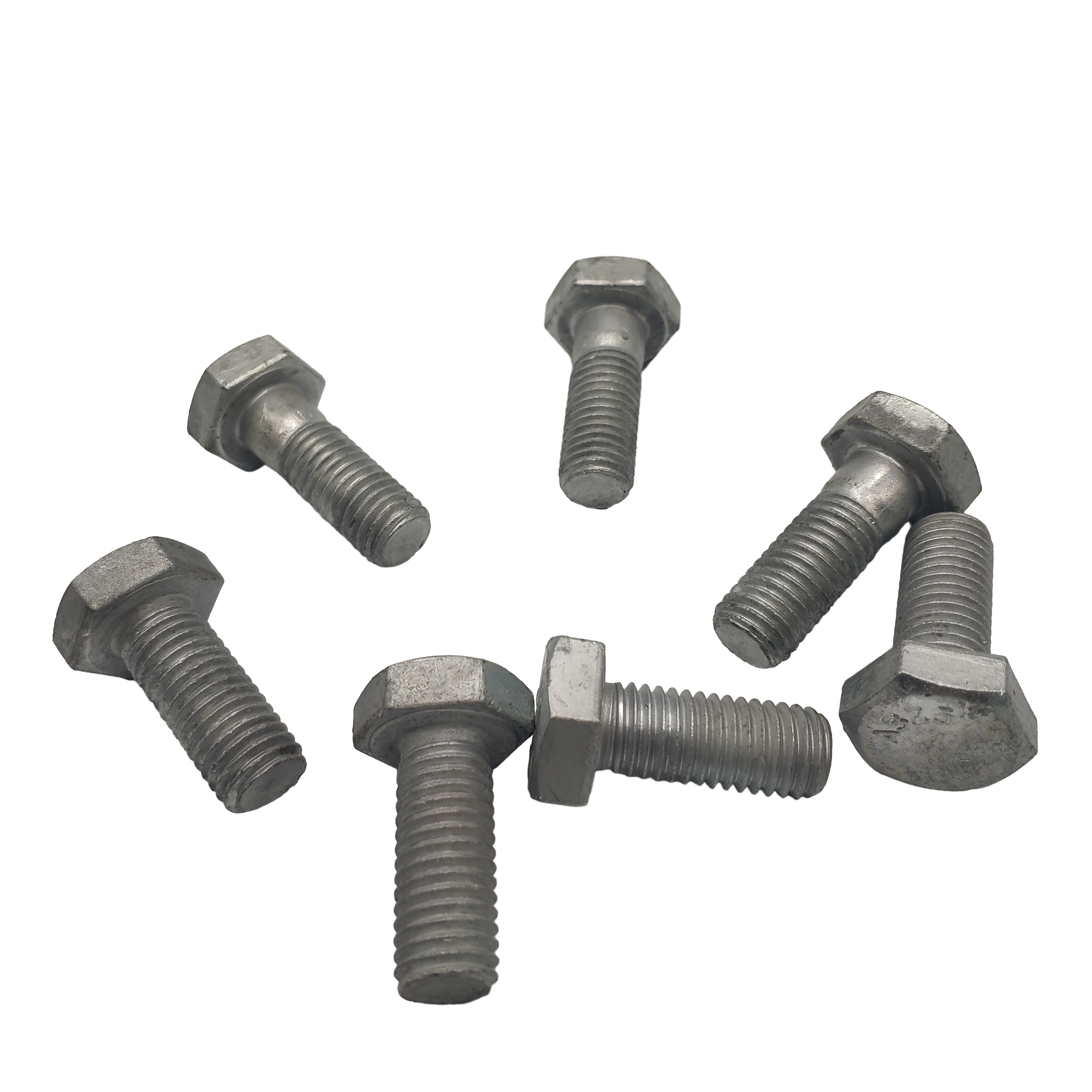
Selecting the appropriate head style for your custom bolts is a critical engineering decision that directly impacts assembly efficiency, load distribution, aesthetics, and overall functionality. The four primary head configurations—hex, socket, flange, and countersunk—each offer distinct mechanical advantages and are optimized for specific application requirements. Understanding how to specify the correct head style ensures optimal performance, proper torque application, and long-term reliability in your custom bolt assemblies.
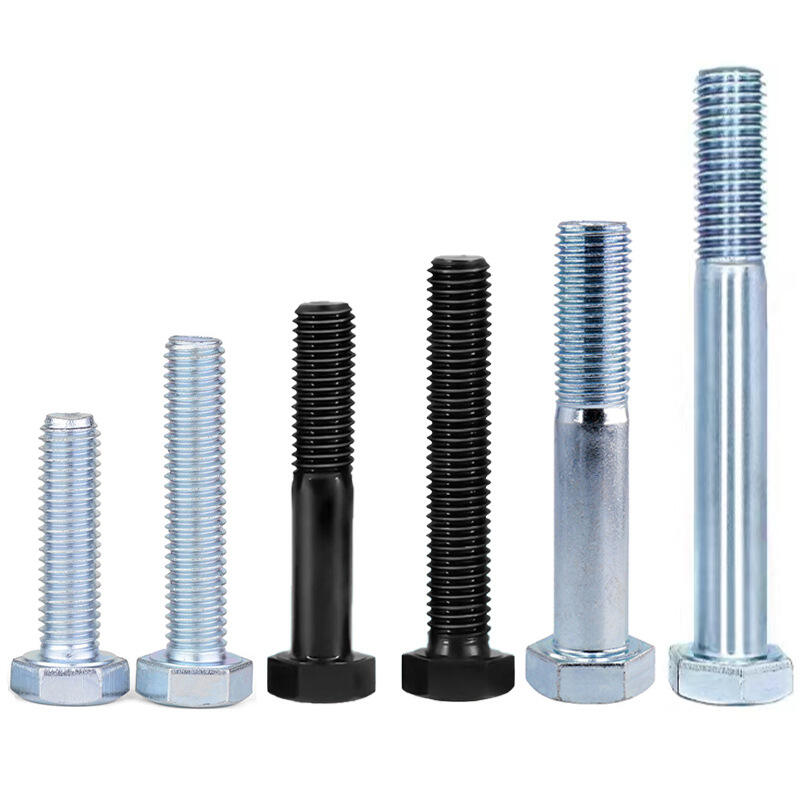
The specification process for custom bolts involves analyzing multiple engineering factors including clearance requirements, torque specifications, surface aesthetics, tool accessibility, and load distribution needs. Each head style presents unique characteristics that make it suitable for different industrial applications, from heavy machinery assemblies to precision electronic enclosures. This systematic approach to head style selection ensures that your custom bolts deliver the exact performance characteristics required by your specific application parameters.
Understanding the Mechanical Properties of Each Head Style
Hex Head Characteristics and Load Capabilities
Hex head custom bolts provide the largest bearing surface area among standard head configurations, making them ideal for high-torque applications where maximum clamping force is required. The six-sided profile allows for efficient torque transmission using standard hex keys, box wrenches, or socket tools, providing reliable engagement without cam-out issues. The external hex configuration offers superior accessibility in tight spaces where socket-style tools cannot be accommodated.
The bearing surface of hex head custom bolts distributes clamping loads over a relatively large area, reducing contact stress on the assembly materials. This characteristic makes hex heads particularly suitable for softer materials like aluminum, plastics, or composites where point loading could cause deformation or failure. The head height provides adequate material thickness to resist shearing forces under high torque conditions.
Tool engagement with hex head fasteners remains consistent across various torque levels, allowing for precise torque control during assembly operations. The external hex geometry accommodates both manual and automated assembly processes, making these custom bolts versatile for production environments where consistent installation is critical.
Socket Head Design Advantages and Applications
Socket head custom bolts feature an internal hex drive that provides a clean, low-profile appearance while maintaining high torque capacity. The cylindrical head design minimizes the fastener's external footprint, making socket heads ideal for applications where clearance is limited or where a flush appearance is desired. The deep socket engagement prevents tool slippage and allows for higher torque values compared to shallow drive systems.
The internal drive configuration protects the tool engagement surfaces from contamination, debris, and mechanical damage during service. This protection ensures reliable removal and reinstallation throughout the fastener's service life, particularly important in maintenance-critical applications. Socket head custom bolts excel in precision assemblies where consistent torque application is essential for proper function.
Manufacturing socket head custom bolts allows for precise control of head dimensions and drive characteristics, ensuring consistent performance across production batches. The internal hex drive can be optimized for specific torque requirements, providing the exact engagement characteristics needed for your application.
Flange and Countersunk Head Specifications for Specialized Applications
Flange Head Load Distribution and Sealing Properties
Flange head custom bolts integrate an enlarged bearing surface directly into the head design, eliminating the need for separate washers while providing superior load distribution. The integral flange creates a larger contact area that reduces bearing stress on assembly materials, making these fasteners ideal for thin sheet materials or applications where washer retention is problematic. The flange design also provides enhanced sealing capabilities when used with gaskets or O-rings.
The underside geometry of flange head custom bolts can be customized to provide specific sealing or load distribution characteristics. Smooth flanges offer maximum bearing surface for load distribution, while serrated flanges provide enhanced grip and resistance to loosening in vibration environments. The flange thickness can be optimized to provide adequate strength while minimizing overall fastener height.
Tool access for flange head fasteners combines the benefits of hex or socket drives with the load distribution advantages of an integral washer. This combination makes flange head custom bolts particularly suitable for automotive, aerospace, and industrial applications where both performance and assembly efficiency are critical.
Countersunk Head Integration and Flush Mounting
Countersunk head custom bolts provide a completely flush surface when properly installed, making them essential for applications where protruding fasteners would interfere with function or aesthetics. The angled head geometry requires precise countersink preparation in the assembly materials, but provides unmatched surface integration when properly executed. The tapered head design transfers loads through bearing contact along the countersink surface.
The drive system for countersunk custom bolts must be carefully selected based on torque requirements and tool accessibility. Phillips, Robertson, Torx, and hex socket drives each offer different advantages in terms of torque capacity, tool life, and cam-out resistance. The drive depth must be sufficient to accommodate the required torque while maintaining adequate head material for structural integrity.
Manufacturing countersunk custom bolts requires precise control of head angle, drive depth, and overall geometry to ensure proper seating and load transfer. The head angle typically ranges from 82 to 100 degrees depending on application requirements and material considerations. Proper specification ensures optimal load transfer and prevents stress concentrations that could lead to premature failure.
Application-Specific Selection Criteria and Design Guidelines
Clearance and Accessibility Requirements
Determining the appropriate head style for your custom bolts begins with analyzing the available clearance around each fastener location. Hex heads require the most radial clearance for tool access, making them suitable for open assemblies but potentially problematic in confined spaces. Socket heads minimize radial clearance requirements but need adequate axial access for tool insertion and operation.
Assembly sequence considerations also influence head style selection, particularly in complex assemblies where fastener installation order affects accessibility. Early-installed fasteners may require low-profile heads to provide clearance for subsequent assembly operations, while final fasteners might accommodate larger head styles. The assembly process should be analyzed to ensure all fasteners can be properly torqued throughout the installation sequence.
Maintenance accessibility represents another critical factor in head style specification for custom bolts. Fasteners that require periodic maintenance or replacement should use head styles that accommodate available service tools and access limitations. Consider both initial installation requirements and long-term serviceability when specifying head configurations.
Load Distribution and Material Compatibility
Material properties of the assembled components directly influence the optimal head style selection for custom bolts. Soft materials like aluminum, plastics, and composites benefit from larger bearing surfaces provided by hex heads or flange heads to prevent bearing failure. Hard materials like steel can typically accommodate smaller bearing areas without deformation, making socket or countersunk heads viable options.
Thickness variations in assembly materials affect load transfer characteristics and may dictate specific head style requirements. Thin materials require careful attention to bearing stress distribution, often favoring flange head custom bolts for optimal load spreading. Thick materials provide more flexibility in head style selection, allowing optimization based on other factors like aesthetics or tool access.
Joint design and loading conditions determine the required clamping force and influence head style selection accordingly. High-stress joints may require hex heads for maximum torque capability, while lighter-duty applications might prioritize appearance or clearance over ultimate strength. The specified torque values must be compatible with the selected head style's tool engagement and bearing characteristics.
Manufacturing and Quality Considerations for Head Style Optimization
Production Methods and Tooling Requirements
The manufacturing process for custom bolts varies significantly based on head style requirements, affecting both cost and quality characteristics. Hex heads can be formed through hot or cold forging processes that provide excellent material flow and strength properties. The forging operation creates favorable grain flow patterns that enhance fatigue resistance and overall mechanical properties.
Socket head custom bolts require secondary machining operations to create the internal drive geometry, typically involving drilling and broaching processes. These operations must be carefully controlled to ensure proper drive dimensions, surface finish, and concentricity. The machining sequence affects tool life and production efficiency, influencing the overall cost structure for socket head configurations.
Flange and countersunk head styles present unique forming challenges that require specialized tooling and process control. Flange heads need precise control of flange thickness and bearing surface geometry to ensure consistent performance. Countersunk heads require accurate angle formation and drive preparation, often involving multiple forming operations to achieve the required geometry.
Quality Control and Dimensional Verification
Quality assurance for custom bolts must address the specific dimensional and functional requirements of each head style. Hex heads require verification of across-flats dimensions, head height, and bearing surface condition. The hex drive engagement must meet specified tolerances to ensure proper tool fit and torque transmission capability.
Socket head inspection involves measuring drive dimensions, head diameter, and socket depth to ensure proper tool engagement. The internal surfaces must meet specified finish requirements to prevent tool wear and ensure consistent torque characteristics. Drive concentricity affects tool alignment and must be controlled within tight tolerances for precision applications.
Flange and countersunk head verification requires specialized gauging to confirm geometry compliance. Flange heads need measurement of bearing surface flatness, flange thickness, and overall concentricity. Countersunk heads require verification of head angle, drive depth, and surface finish to ensure proper seating and load transfer characteristics in the final assembly.
FAQ
What factors determine whether hex or socket heads are better for high-torque applications?
Hex heads typically provide superior torque capacity due to their larger bearing surface and robust tool engagement, making them ideal for maximum clamping force requirements. Socket heads offer excellent torque capability with better clearance characteristics but may have limitations in extreme high-torque applications. Consider both the required torque values and available tool access when selecting between these head styles for custom bolts.
How do you calculate the appropriate flange diameter for load distribution requirements?
Flange diameter calculation involves analyzing the bearing stress limits of your assembly materials and the required clamping force. The flange should provide sufficient bearing area to keep contact stress below material limits while maintaining reasonable proportions relative to the bolt diameter. Typical flange diameters range from 1.5 to 2.5 times the bolt diameter, depending on material properties and load requirements.
When should countersunk heads be avoided in custom bolt applications?
Countersunk heads should be avoided when the assembly materials cannot accommodate the required countersink preparation, when high shear loads are present, or when the available material thickness is insufficient to provide adequate countersink depth. Additionally, avoid countersunk custom bolts in applications where the angled load transfer could create undesirable stress concentrations or when maintenance accessibility requires protruding head styles.
Can different head styles be used interchangeably in the same assembly?
Different head styles can be used within the same assembly when each fastener's requirements are independently analyzed and specified. This approach allows optimization of each fastener location based on specific clearance, load, and accessibility requirements. However, ensure that mixed head styles don't create assembly complications or maintenance difficulties, and verify that all specified combinations meet the overall design requirements for your custom bolts application.
Table of Contents
- Understanding the Mechanical Properties of Each Head Style
- Flange and Countersunk Head Specifications for Specialized Applications
- Application-Specific Selection Criteria and Design Guidelines
- Manufacturing and Quality Considerations for Head Style Optimization
-
FAQ
- What factors determine whether hex or socket heads are better for high-torque applications?
- How do you calculate the appropriate flange diameter for load distribution requirements?
- When should countersunk heads be avoided in custom bolt applications?
- Can different head styles be used interchangeably in the same assembly?