
 EN
EN
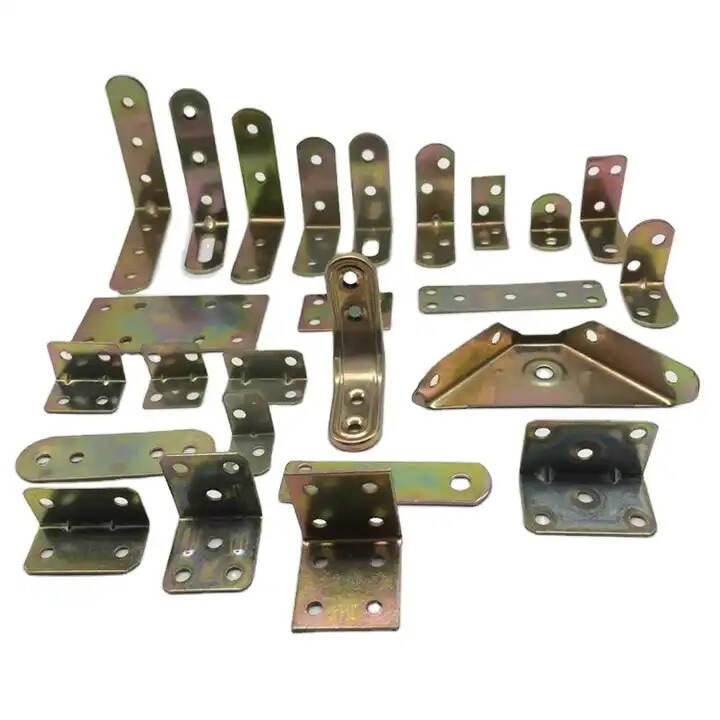
Optimizing stamping part design represents one of the most effective strategies for manufacturers seeking to reduce material waste and control production costs. The design phase of stamping operations directly influences material utilization rates, scrap generation, and overall manufacturing efficiency. When engineers approach stamping part design with waste minimization as a primary objective, they can achieve material savings of 15-30% while simultaneously improving part quality and production throughput. This optimization process requires a systematic understanding of material flow, die design principles, and manufacturing constraints that affect both waste generation and cost structures.
The relationship between stamping part design decisions and material waste extends beyond simple geometric considerations to encompass strip layout optimization, progressive die sequencing, and material flow dynamics. Effective stamping part design optimization requires careful analysis of part geometry, material properties, and production volume requirements to establish design parameters that minimize raw material consumption. This comprehensive approach to design optimization addresses both immediate cost reduction opportunities and long-term manufacturing sustainability goals that drive competitive advantage in modern industrial markets.
Material Utilization Fundamentals in Stamping Part Design
Strip Layout Optimization Principles
The foundation of effective stamping part design lies in optimizing strip layout to maximize material utilization while maintaining part quality standards. Strip layout design determines how individual parts are arranged within the material strip, directly affecting the percentage of material that becomes finished product versus scrap. Efficient stamping part design considers part orientation, spacing requirements, and bridge connections to achieve optimal material yield ratios. The goal is to minimize the web area between parts while maintaining sufficient material to ensure proper feeding and part integrity throughout the stamping process.
Material utilization calculations for stamping part design typically focus on achieving yield ratios above 75%, with exceptional designs reaching 85-90% material utilization. This optimization requires careful consideration of part geometry, material thickness, and die design constraints that affect minimum spacing requirements. Advanced stamping part design software enables engineers to simulate various strip layout configurations to identify arrangements that maximize material usage while meeting production speed and quality requirements. The optimization process often involves iterative refinement of part positioning, web width, and carrier strip design to achieve the best possible material utilization rates.
Geometric Design Considerations
Part geometry significantly influences material waste generation in stamping operations, making geometric optimization a critical aspect of cost-effective stamping part design. Complex shapes with irregular boundaries, sharp corners, or intricate cutouts typically generate more waste material compared to simpler geometric forms. Effective stamping part design strategies focus on simplifying part geometry where possible while maintaining functional requirements and aesthetic specifications. This approach involves evaluating feature necessity, consolidating geometric elements, and optimizing corner radii to improve material flow and reduce scrap generation.
The relationship between part geometry and material waste becomes particularly important when designing families of related parts that can share common stamping part design elements. Standardizing geometric features, hole patterns, and edge treatments across multiple part designs enables more efficient strip layouts and reduced tooling complexity. This standardization approach to stamping part design often results in significant material savings while simplifying inventory management and production planning processes. Engineers must balance geometric standardization benefits with specific functional requirements to achieve optimal results.
Progressive Die Design Strategies for Waste Reduction
Station Sequencing Optimization
Progressive die design plays a crucial role in stamping part design optimization by determining the sequence and efficiency of forming operations. Proper station sequencing in progressive dies minimizes material movement, reduces forming forces, and eliminates unnecessary material removal operations that contribute to waste generation. Effective stamping part design for progressive operations involves analyzing the forming sequence to identify opportunities for combining operations, eliminating redundant cuts, and optimizing material flow throughout the die progression. This systematic approach to station design directly impacts both material utilization and production efficiency.
The optimization of progressive die stations in stamping part design requires careful consideration of material work hardening, springback characteristics, and forming limits that affect part quality and dimensional accuracy. Each station must be designed to perform its intended operation while preparing the material for subsequent forming steps without creating unnecessary stress concentrations or material distortions. Advanced stamping part design methodologies utilize finite element analysis to simulate progressive forming operations and identify potential issues before die construction begins. This simulation-based approach enables engineers to refine station designs and optimize material flow to minimize waste generation.
Carrier Strip Design Integration
Carrier strip design represents a fundamental element of stamping part design that significantly influences material utilization and waste generation patterns. The carrier strip serves multiple functions including material feeding, part positioning, and dimensional control throughout the progressive stamping process. Effective stamping part design integrates carrier strip requirements into the overall part geometry to minimize additional material consumption while maintaining process stability and part quality. This integration involves optimizing carrier width, bridge locations, and connection points to achieve the best balance between material efficiency and manufacturing reliability.
Modern approaches to stamping part design emphasize carrier strip optimization through advanced simulation and modeling techniques that predict material behavior throughout the forming process. These tools enable engineers to evaluate different carrier configurations and identify designs that minimize material waste while ensuring adequate material flow and part accuracy. The optimization process considers factors such as material thickness, forming forces, and production speed requirements to develop carrier strip designs that support efficient manufacturing operations. Proper carrier strip integration in stamping part design can reduce material consumption by 5-15% compared to conventional design approaches.
Cost Analysis and Material Selection Impact
Material Cost Optimization Strategies
Material selection significantly impacts both waste generation and overall cost structures in stamping part design applications. Different materials exhibit varying formability characteristics, waste generation patterns, and cost profiles that must be carefully evaluated during the design process. Effective stamping part design considers material properties such as yield strength, elongation, and work hardening behavior to select materials that optimize both performance and cost effectiveness. This analysis often reveals opportunities to specify thinner materials or alternative alloys that reduce material costs while maintaining part functionality and quality standards.
The relationship between material selection and stamping part design extends beyond initial material costs to encompass processing efficiency, tool life, and scrap value considerations. Some materials that appear more expensive initially may actually provide lower total costs due to improved formability, reduced waste generation, or higher scrap recovery values. Comprehensive cost analysis in stamping part design evaluates these factors holistically to identify material selections that optimize total manufacturing costs. This analysis typically includes material cost per pound, yield ratios, processing speeds, and end-of-life material recovery values to determine the most cost-effective material choices.
Tooling Cost Considerations
Tooling costs represent a significant factor in stamping part design optimization, particularly for complex geometries or high-precision applications. Design decisions that reduce material waste often require more sophisticated tooling designs, creating a cost trade-off that must be carefully evaluated. Effective stamping part design balances tooling complexity with material savings to achieve optimal total cost outcomes over the production life cycle. This evaluation considers factors such as production volume, part complexity, and tooling amortization periods to determine the most cost-effective design approaches.
The integration of tooling cost considerations into stamping part design requires understanding the relationship between design complexity and manufacturing requirements. Simpler part geometries typically require less complex tooling but may result in higher material waste, while optimized designs may require more sophisticated tooling to achieve superior material utilization. Advanced stamping part design methodologies utilize cost modeling tools to evaluate these trade-offs and identify design approaches that minimize total manufacturing costs. This comprehensive approach ensures that material waste reduction efforts contribute to overall cost optimization rather than simply shifting costs from materials to tooling.
Advanced Design Technologies and Simulation
Computer-Aided Design Integration
Modern computer-aided design systems provide powerful capabilities for optimizing stamping part design to minimize material waste and cost. These systems enable engineers to simulate material flow, predict forming behavior, and evaluate different design alternatives before committing to tooling fabrication. Advanced CAD integration in stamping part design processes allows for real-time material utilization calculations, automatic strip layout optimization, and comprehensive cost analysis that supports informed design decisions. This technology integration significantly reduces design iteration time while improving the accuracy of waste and cost predictions.
The application of advanced design technologies in stamping part design extends beyond basic geometric modeling to encompass material behavior simulation, process optimization, and cost modeling capabilities. These integrated systems enable engineers to evaluate the impact of design changes on material utilization, production efficiency, and total manufacturing costs in real-time. Effective utilization of these technologies requires understanding both the capabilities and limitations of simulation tools to ensure that design optimizations translate effectively to actual production environments. This comprehensive approach to technology integration supports more effective stamping part design optimization and improved manufacturing outcomes.
Finite Element Analysis Applications
Finite element analysis represents a critical tool for optimizing stamping part design to minimize material waste and control manufacturing costs. FEA enables engineers to simulate the complete forming process, predict material flow patterns, and identify potential issues such as wrinkling, tearing, or excessive thinning that contribute to waste generation. This simulation capability allows for design refinement and optimization before tooling fabrication, significantly reducing development costs and improving final part quality. Advanced stamping part design processes integrate FEA results into design decision-making to ensure optimal material utilization and manufacturing efficiency.
The application of finite element analysis in stamping part design requires careful attention to material model accuracy, boundary condition definitions, and simulation parameters that affect result reliability. Properly configured FEA simulations provide valuable insights into material behavior, stress distributions, and potential failure modes that influence both part quality and material waste generation. These simulation results guide design modifications that improve formability, reduce waste, and optimize manufacturing processes. Effective integration of FEA into stamping part design workflows enables more informed design decisions and improved manufacturing outcomes while reducing development time and costs.
FAQ
What are the most effective methods for calculating material utilization in stamping part design?
Material utilization in stamping part design is calculated by dividing the total area of finished parts by the total area of material consumed, including scrap and carrier strips. The most effective calculation methods consider strip width optimization, part nesting efficiency, and bridge material requirements to provide accurate utilization percentages. Advanced CAD systems can perform these calculations automatically, considering factors such as material thickness, minimum web requirements, and progressive die constraints. Typical target utilization rates range from 75-90% depending on part complexity and production requirements.
How does part geometry affect material waste in stamping operations?
Part geometry directly influences material waste through several mechanisms including nesting efficiency, scrap generation patterns, and strip layout optimization possibilities. Complex geometries with irregular shapes or intricate cutouts typically generate more waste compared to simpler, more regular forms. Stamping part design optimization focuses on simplifying geometry where possible, standardizing features across part families, and optimizing corner radii and edge treatments to improve material flow. Strategic geometric modifications can reduce material waste by 10-25% while maintaining part functionality and quality requirements.
What role does progressive die design play in minimizing material waste?
Progressive die design significantly impacts material waste through station sequencing, carrier strip optimization, and material flow management throughout the forming process. Effective progressive die design minimizes unnecessary material removal operations, optimizes station spacing, and integrates carrier strip requirements into the overall part geometry. Proper station sequencing reduces material movement and eliminates redundant operations that contribute to waste generation. Well-designed progressive dies can achieve material utilization rates 15-20% higher than conventional single-operation stamping approaches.
How do material selection decisions impact waste generation and costs in stamping?
Material selection affects waste generation through formability characteristics, processing requirements, and scrap recovery values that influence total manufacturing costs. Materials with superior formability often enable more aggressive part geometries and tighter strip layouts, reducing waste generation. However, material cost must be balanced against processing efficiency, tool life, and scrap value considerations to optimize total costs. Effective stamping part design considers these factors holistically, sometimes selecting materials that appear more expensive initially but provide lower total costs through improved utilization and processing efficiency.
Table of Contents
- Material Utilization Fundamentals in Stamping Part Design
- Progressive Die Design Strategies for Waste Reduction
- Cost Analysis and Material Selection Impact
- Advanced Design Technologies and Simulation
-
FAQ
- What are the most effective methods for calculating material utilization in stamping part design?
- How does part geometry affect material waste in stamping operations?
- What role does progressive die design play in minimizing material waste?
- How do material selection decisions impact waste generation and costs in stamping?