
 EN
EN
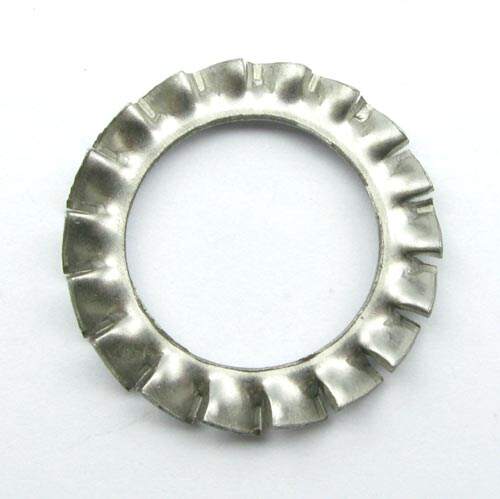
In manufacturing and construction environments, engineers frequently encounter fastening challenges that standard hardware simply cannot address effectively. While conventional bolts serve most general applications well, complex projects often demand specialized solutions that go beyond the limitations of off-the-shelf fasteners. Custom bolts emerge as the definitive answer when standard options fall short of meeting specific dimensional, material, or performance requirements that are critical to project success.
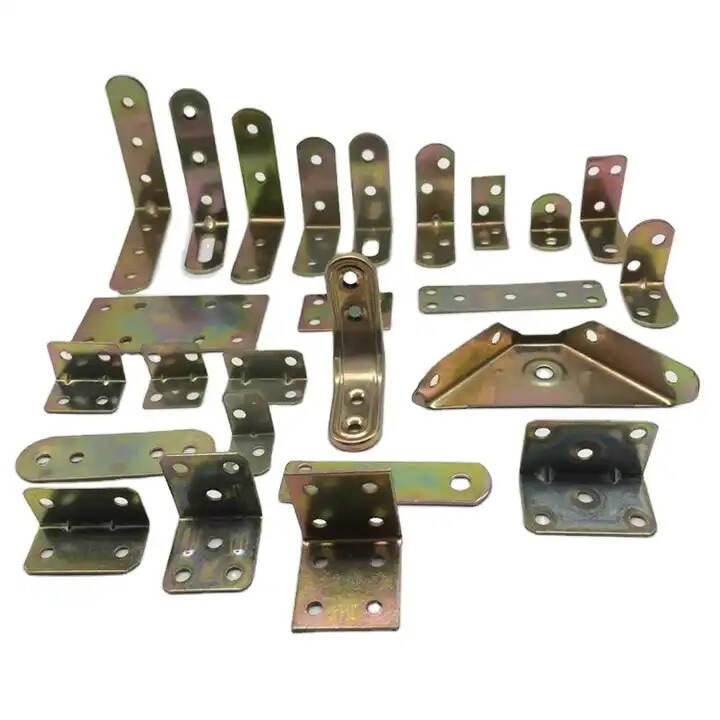
The fundamental difference between standard and custom bolt solutions lies in their ability to address unique engineering challenges with precision-engineered specifications. Custom bolts provide manufacturers with the flexibility to overcome dimensional constraints, material compatibility issues, and performance limitations that would otherwise compromise assembly integrity or operational efficiency. Understanding how these specialized fasteners solve specific problems enables engineers to make informed decisions about when custom solutions justify their investment.
Understanding the Limitations of Standard Bolt Solutions
Dimensional Constraints in Standard Fastener Catalogs
Standard bolt manufacturers produce fasteners based on common industry specifications and market demand patterns, which inevitably creates gaps in available sizes and configurations. These standardized dimensions often fail to accommodate the precise spacing, length, or diameter requirements found in specialized assemblies or retrofit applications. When engineers encounter non-standard hole patterns, unusual material thicknesses, or space-constrained installations, custom bolts provide the exact dimensional specifications needed for proper fit and function.
The challenge becomes particularly acute in applications where clearance issues prevent the use of standard hex heads or where extended threads are necessary to accommodate varying material thicknesses. Custom bolts can be manufactured with modified head profiles, specialized thread pitches, or unique length specifications that enable proper installation in challenging geometries. This dimensional flexibility eliminates the need for costly design modifications or the use of multiple fasteners where a single custom solution would be more effective.
Material Performance Gaps in Off-the-Shelf Options
Standard fasteners are typically manufactured from common materials like carbon steel, stainless steel, or basic alloy grades that serve general-purpose applications adequately. However, specialized environments often require material properties that exceed these standard offerings in terms of corrosion resistance, temperature tolerance, or mechanical strength. Custom bolts can be produced from exotic alloys, specialized coatings, or material combinations that provide superior performance in demanding applications.
Industries dealing with chemical exposure, extreme temperatures, or high-stress conditions frequently find that standard bolt materials compromise system reliability or require frequent replacement. Custom bolt manufacturing enables the selection of materials specifically matched to environmental conditions and load requirements, resulting in longer service life and reduced maintenance costs. This material optimization capability represents a significant advantage over attempting to adapt standard fasteners to challenging service conditions.
Specific Engineering Challenges Addressed by Custom Solutions
Complex Geometric Requirements
Many industrial applications involve assemblies with unusual geometric constraints that make standard fastener installation difficult or impossible. Custom bolts can be designed with specialized head configurations, modified shank profiles, or integrated features that accommodate complex assembly geometries. These modifications enable proper fastening in situations where standard bolts would interfere with adjacent components or fail to provide adequate clamping force.
The ability to incorporate multiple functions into a single custom bolts design eliminates the need for additional hardware and simplifies assembly procedures. Features such as integrated washers, captive designs, or specialized drive systems can be incorporated directly into the fastener design, reducing part count and improving assembly efficiency. This geometric flexibility proves particularly valuable in aerospace, automotive, and precision machinery applications where space constraints and weight considerations are critical factors.
Load Distribution and Stress Concentration Management
Standard bolts often create stress concentration points that can lead to premature failure in high-load applications or fatigue-sensitive assemblies. Custom bolt design enables engineers to optimize stress distribution through modified thread forms, specialized head designs, or gradual transitions that reduce peak stresses. These design modifications can significantly extend service life in cyclic loading conditions or high-stress environments.
The engineering of custom bolts allows for the incorporation of features specifically designed to manage load paths and distribute forces more effectively throughout the joint. Specialized thread profiles, modified bearing surfaces, or integrated load-distributing features can be incorporated to address specific stress management requirements. This capability proves essential in applications where standard fasteners would create unacceptable stress concentrations or fail to provide adequate load distribution.
Industry-Specific Applications Where Custom Solutions Excel
Aerospace and Defense Requirements
The aerospace industry presents unique challenges that often exceed the capabilities of standard fastening solutions, requiring custom bolts that meet stringent weight, strength, and reliability requirements. Aircraft and spacecraft assemblies frequently involve exotic materials, extreme temperature variations, and critical safety considerations that demand specialized fastener designs. Custom bolts enable the use of titanium alloys, Inconel, or other high-performance materials that provide the necessary strength-to-weight ratios while maintaining reliability in demanding service conditions.
Military and defense applications often require fasteners that meet specific certification standards or incorporate features not available in commercial products. Custom bolt manufacturing enables the production of fasteners that comply with military specifications while incorporating specialized features such as tamper resistance, environmental sealing, or electromagnetic compatibility. These requirements typically cannot be met through standard fastener selection, making custom solutions essential for mission-critical applications.
Precision Machinery and Equipment Manufacturing
Manufacturing equipment and precision machinery often incorporate unique fastening requirements that result from tight tolerance requirements, specialized materials, or unusual operating conditions. Custom bolts enable equipment manufacturers to achieve precise positioning, maintain alignment accuracy, and accommodate thermal expansion while providing reliable fastening performance. The ability to specify exact tolerances, surface finishes, and material properties ensures that fasteners contribute to overall system precision rather than detracting from it.
High-speed rotating equipment, precision positioning systems, and measurement instruments frequently require fasteners that minimize vibration transmission, maintain dimensional stability, or provide specific damping characteristics. Custom bolt design enables the incorporation of these specialized performance requirements directly into the fastener specification, eliminating the need for additional components or design compromises. This integration capability proves particularly valuable in applications where standard fasteners would introduce unacceptable performance variations.
Design Optimization and Performance Enhancement
Tailored Thread Forms and Engagement Patterns
Standard thread forms are designed for general-purpose applications and may not provide optimal performance in specialized loading conditions or material combinations. Custom bolts enable the use of modified thread profiles that optimize engagement characteristics, reduce stress concentrations, or improve fatigue resistance for specific applications. These thread modifications can significantly enhance joint performance while addressing unique assembly or service requirements.
The engineering of custom thread forms allows for optimization of parameters such as thread angle, pitch, and root radius to match specific application requirements. Fine-pitch threads may be specified for improved vibration resistance, while coarse threads might be selected for rapid assembly in high-volume production environments. Custom bolts provide the flexibility to select thread characteristics that optimize performance rather than accepting the limitations of standard thread specifications.
Integrated Functionality and Multi-Purpose Designs
Custom bolt design enables the integration of multiple functions into a single fastener, reducing assembly complexity and improving system reliability. Features such as built-in sealing elements, integrated electrical conductivity, or specialized drive systems can be incorporated directly into the bolt design. This integration capability eliminates the need for separate components while ensuring optimal performance of each function.
The ability to combine fastening with other functions proves particularly valuable in applications where space limitations, weight restrictions, or assembly complexity make traditional multi-component solutions impractical. Custom bolts can incorporate features such as captive designs that prevent loss during assembly, integrated marking for identification purposes, or specialized coatings that provide additional protection or functionality. This multi-functional capability represents a significant advantage over standard fasteners that serve only basic fastening functions.
Cost-Benefit Analysis and Implementation Considerations
Long-Term Value Proposition of Custom Solutions
While custom bolts typically involve higher initial costs compared to standard alternatives, their ability to solve specific engineering challenges often results in significant long-term value through improved system performance, reduced maintenance requirements, and elimination of design compromises. The total cost of ownership frequently favors custom solutions when factors such as assembly efficiency, service life, and system reliability are considered over the complete product lifecycle.
Custom bolt implementation often enables design simplification that reduces overall system costs through part count reduction, assembly time savings, or elimination of secondary operations. The ability to optimize fastener performance for specific applications can also extend service intervals, reduce failure rates, and improve overall system reliability. These benefits often justify the additional investment in custom fastener development, particularly in high-value applications or production environments.
Manufacturing Scalability and Production Planning
Modern custom bolt manufacturing capabilities enable cost-effective production across a wide range of quantities, from prototype development through high-volume production runs. Advanced manufacturing techniques such as cold heading, precision machining, and specialized forming processes allow custom bolts to be produced economically while maintaining tight tolerances and consistent quality. This scalability ensures that custom solutions remain viable options across diverse application requirements and production volumes.
The production planning advantages of custom bolts include the ability to optimize inventory management, reduce supplier complexity, and ensure consistent availability of specialized fasteners. Custom bolt suppliers typically work closely with customers to establish production schedules that align with assembly requirements while maintaining cost efficiency. This collaborative approach often results in supply chain advantages that extend beyond the direct benefits of the custom fastener design itself.
FAQ
What makes custom bolts more expensive than standard options initially?
Custom bolts require specialized tooling, engineering development, and often smaller production runs compared to mass-produced standard fasteners. The initial investment covers design optimization, material selection, tooling setup, and quality verification processes that ensure the custom solution meets specific performance requirements. However, this upfront cost often provides significant value through improved system performance, reduced maintenance, and elimination of design compromises that would be necessary with standard alternatives.
How long does it typically take to develop and manufacture custom bolt solutions?
Development timelines for custom bolts vary depending on complexity, but most projects progress from initial specification through prototype delivery within 4-8 weeks. Simple modifications to existing designs may require only 2-3 weeks, while complex geometries or exotic materials might extend the timeline to 10-12 weeks. Production lead times for custom bolts typically range from 3-6 weeks after design approval, depending on quantity requirements and manufacturing complexity.
What minimum quantities are required to make custom bolt production economically viable?
Modern manufacturing techniques have significantly reduced minimum quantity requirements for custom bolts, with many suppliers accepting orders as small as 100-500 pieces for moderately complex designs. Simple modifications or standard material applications may be economically viable at even lower quantities, while highly specialized designs or exotic materials typically require minimum orders of 1,000-5,000 pieces to achieve reasonable unit costs.
Can existing assemblies be retrofitted with custom bolt solutions to improve performance?
Retrofit applications represent an excellent opportunity for custom bolt implementation, as they often involve unique constraints that standard fasteners cannot address effectively. Custom bolts can be designed to work within existing hole patterns while providing improved performance, different materials, or enhanced functionality. This retrofit capability proves particularly valuable in equipment upgrades, service life extension projects, or applications where original fasteners have proven inadequate for current operating conditions.
Table of Contents
- Understanding the Limitations of Standard Bolt Solutions
- Specific Engineering Challenges Addressed by Custom Solutions
- Industry-Specific Applications Where Custom Solutions Excel
- Design Optimization and Performance Enhancement
- Cost-Benefit Analysis and Implementation Considerations
-
FAQ
- What makes custom bolts more expensive than standard options initially?
- How long does it typically take to develop and manufacture custom bolt solutions?
- What minimum quantities are required to make custom bolt production economically viable?
- Can existing assemblies be retrofitted with custom bolt solutions to improve performance?