
 EN
EN
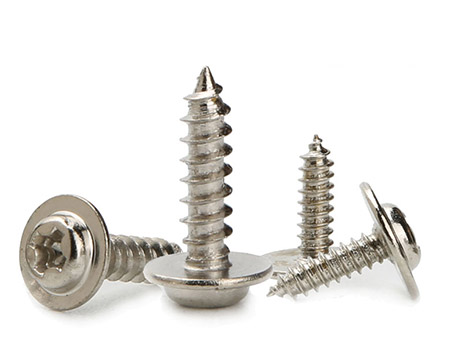
Selecting the right stamping parts supplier requires careful evaluation of their tolerance capabilities, as these precision requirements directly impact your product quality, assembly fit, and manufacturing cost. When evaluating potential suppliers, tolerance capabilities serve as a fundamental indicator of their manufacturing expertise, equipment quality, and process control systems. Understanding how to assess and compare these capabilities ensures you partner with a supplier who can consistently meet your precision requirements while maintaining competitive pricing and delivery schedules.
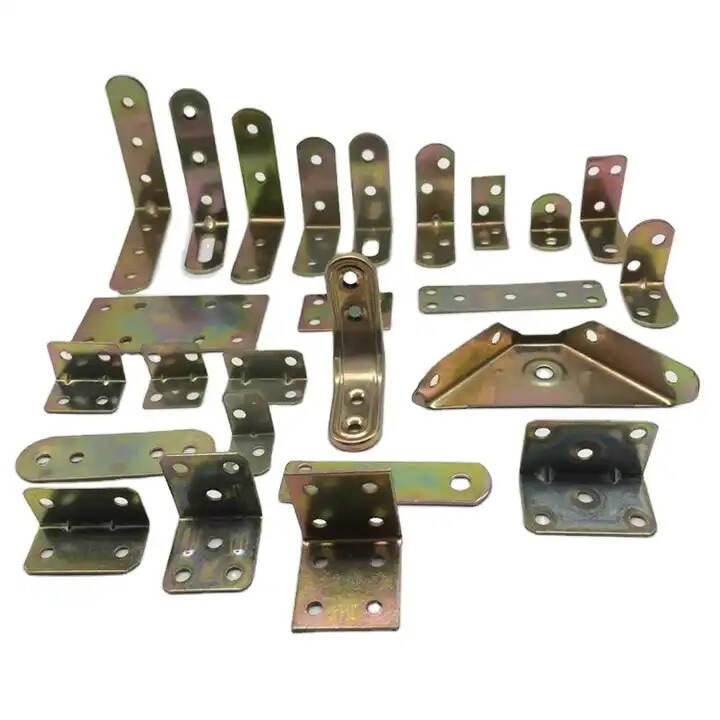
The selection process becomes more complex when considering that different stamping operations require varying precision levels, from loose tolerances for structural components to tight tolerances for precision assemblies. A qualified stamping parts supplier must demonstrate not only their current tolerance capabilities but also their ability to maintain consistency across production runs, adapt to changing requirements, and provide documentation that supports quality assurance processes. The evaluation process involves technical assessments, capability studies, and practical considerations that go beyond initial quotes and promises.
Understanding Tolerance Requirements in Stamping Operations
Defining Critical Tolerance Parameters
When evaluating a stamping parts supplier, you must first establish clear tolerance requirements that align with your application needs. Critical parameters include dimensional tolerances for length, width, and thickness, as well as geometric tolerances such as flatness, straightness, and parallelism. The stamping parts supplier should demonstrate understanding of your tolerance callouts and provide feedback on achievability within their process capabilities. Material thickness variations, hole diameter precision, and bend angle accuracy represent common tolerance challenges that require specific equipment and expertise to maintain consistently.
Positional tolerances become particularly important in multi-station progressive dies where features must align precisely across multiple forming operations. Your potential stamping parts supplier should explain how they control cumulative tolerances and prevent drift during production runs. Surface finish requirements, while not always specified as traditional tolerances, impact functionality in applications involving sealing surfaces, sliding contacts, or aesthetic requirements.
Industry-Specific Tolerance Standards
Different industries maintain varying tolerance expectations that influence supplier selection criteria. Automotive applications typically require tight tolerances for safety-critical components, while general industrial applications may accept broader tolerance ranges. A qualified stamping parts supplier should demonstrate familiarity with relevant industry standards such as automotive PPAP requirements, aerospace AS9100 quality systems, or medical device ISO 13485 compliance. These standards often dictate not only the tolerance capabilities required but also the documentation and traceability systems necessary to support quality assurance.
Electronic component housings demand precise tolerances for proper fit with circuit boards and connectors, while structural components may prioritize consistency over absolute precision. Your stamping parts supplier evaluation should include assessment of their experience with similar applications and their understanding of how tolerance requirements translate into functional performance. The supplier should also explain how they handle tolerance stack-up analysis for assemblies involving multiple stamped components.
Evaluating Supplier Manufacturing Capabilities
Equipment Assessment and Process Control
The manufacturing equipment operated by a stamping parts supplier directly influences their tolerance capabilities. Press tonnage, bed size, and control systems determine the complexity and precision of parts they can produce. Modern servo presses offer superior control over forming speed and pressure, enabling tighter tolerances compared to conventional mechanical presses. The age and maintenance condition of equipment affects repeatability, while die construction quality and maintenance programs impact long-term tolerance stability.
Progressive die capabilities represent a significant factor when evaluating stamping parts supplier options for complex components. The supplier should demonstrate expertise in die design, particularly regarding pilot systems, strip layout optimization, and progressive station sequencing. Their tooling department capabilities, including wire EDM precision, surface grinding accuracy, and heat treatment consistency, directly impact the tolerances achievable in production parts. In-house tooling capabilities often indicate better control over tolerance achievement and faster response to tolerance-related issues.
Quality Control Systems and Measurement Capabilities
A stamping parts supplier's measurement and inspection capabilities must align with your tolerance requirements. Coordinate measuring machines, optical comparators, and specialized gauging systems enable verification of complex geometries and tight tolerances. The frequency and methodology of inspection during production runs indicate the supplier's commitment to maintaining tolerance consistency. Statistical process control implementation helps identify tolerance drift before out-of-specification parts are produced.
Calibration programs for measuring equipment ensure accuracy and traceability of tolerance verification. Your potential stamping parts supplier should provide evidence of calibration certificates and measurement uncertainty analysis for critical dimensions. The availability of real-time monitoring systems for press operation parameters indicates advanced process control that supports consistent tolerance achievement. Documentation systems should demonstrate how tolerance data is collected, analyzed, and used for continuous improvement initiatives.
Conducting Supplier Capability Studies
Process Capability Analysis Methods
Requesting process capability studies from your potential stamping parts supplier provides objective evidence of their tolerance achievement capabilities. Cpk and Ppk indices quantify the relationship between process variation and tolerance requirements, with values above 1.33 typically considered acceptable for most applications. The supplier should conduct these studies using your actual part geometry and material specifications rather than generic examples. Sample size and measurement frequency during capability studies must be sufficient to represent normal production conditions.
Short-term capability studies reveal inherent process variation, while long-term studies include factors such as tool wear, material variation, and environmental conditions. A comprehensive stamping parts supplier evaluation includes review of both types of studies to understand tolerance performance under various conditions. The supplier should explain their methodology for conducting capability studies and provide access to raw measurement data for verification. Capability study results should be specific to the tolerance features most critical to your application.
Trial Run Evaluation Criteria
Conducting trial runs with your prospective stamping parts supplier provides practical evidence of tolerance capabilities under production conditions. Trial run evaluation should include first article inspection, process monitoring during the run, and statistical analysis of dimensional results across the production quantity. The supplier's response to any tolerance issues encountered during trials indicates their problem-solving capabilities and commitment to meeting your requirements.
Material utilization efficiency during trial runs affects cost-effectiveness while potentially impacting tolerance achievement through strip layout optimization. The stamping parts supplier should demonstrate their ability to maintain tolerances while maximizing material usage and minimizing waste. Setup time requirements and adjustment procedures during trials indicate the supplier's process maturity and operator skill levels. Documentation generated during trial runs should include control charts, inspection reports, and any process adjustments made to achieve target tolerances.
Cost and Timeline Considerations for Tolerance Requirements
Tolerance Cost Impact Analysis
Understanding how tolerance requirements affect pricing helps optimize the supplier selection process while maintaining necessary quality standards. Tighter tolerances typically increase manufacturing costs through slower production speeds, increased inspection requirements, and higher tooling precision. A transparent stamping parts supplier should explain how your tolerance requirements translate into cost factors and suggest alternatives that might achieve functional requirements at lower cost. The relationship between tolerance tightness and reject rates directly impacts final piece costs.
Secondary operations such as coining, sizing, or machining may be necessary to achieve extremely tight tolerances, adding cost and complexity to the manufacturing process. Your stamping parts supplier should identify these requirements during the quoting process and explain how they impact overall project economics. Volume requirements influence the cost-effectiveness of tolerance-related investments in tooling and process control systems. Long-term contracts may justify higher initial investments in precision tooling that supports tight tolerance achievement.
Timeline Factors for Tolerance Achievement
Achieving tight tolerances often requires longer development timelines for tooling optimization and process validation. Your stamping parts supplier should provide realistic schedules that account for tolerance verification activities, potential design iterations, and capability study completion. Rush timelines may compromise tolerance achievement capabilities, particularly for complex geometries or materials with challenging forming characteristics. The supplier's experience with similar tolerance requirements significantly influences timeline predictability and risk levels.
Production timeline considerations include setup time requirements, inspection cycle times, and potential rework needs when tolerance issues arise. A reliable stamping parts supplier should explain how tolerance requirements affect production planning and delivery schedules. Backup plans for tolerance-related production delays demonstrate supplier maturity and risk management capabilities. Communication protocols for tolerance-related issues ensure prompt notification and resolution of any problems that might affect delivery commitments.
Long-term Partnership and Continuous Improvement
Supplier Development and Capability Enhancement
Building a successful long-term relationship with your chosen stamping parts supplier involves ongoing collaboration to enhance tolerance capabilities and process efficiency. Suppliers who invest in equipment upgrades, training programs, and quality system improvements demonstrate commitment to meeting evolving customer requirements. Regular capability assessments help identify opportunities for tolerance improvement or cost reduction through process optimization. Joint problem-solving approaches for tolerance-related challenges strengthen the partnership and improve overall program success.
Technology advancement in stamping equipment and measurement systems creates opportunities for improved tolerance capabilities over time. Your stamping parts supplier should communicate their technology roadmap and explain how future investments might benefit your programs. Participation in industry training programs and certification maintenance indicates the supplier's commitment to staying current with best practices for tolerance achievement. Continuous improvement initiatives should include tolerance-related metrics and regular review of capability study results.
Performance Monitoring and Feedback Systems
Establishing clear performance metrics and monitoring systems ensures ongoing tolerance capability assessment throughout the supplier relationship. Regular supplier scorecards should include tolerance-related quality metrics, delivery performance, and responsiveness to tolerance issues. Customer feedback systems enable your stamping parts supplier to understand how tolerance performance affects your downstream operations and end-product quality. Periodic business reviews provide opportunities to discuss tolerance-related improvements and address any emerging challenges.
Data sharing protocols facilitate collaborative analysis of tolerance trends and identification of improvement opportunities. Advanced suppliers may offer real-time access to production data and quality metrics through digital platforms or regular reporting systems. Corrective action processes for tolerance-related nonconformances should include root cause analysis and preventive measures to avoid recurrence. Recognition programs for exceptional tolerance performance help reinforce the importance of precision manufacturing and encourage continued improvement efforts.
FAQ
What tolerance levels should I expect from a professional stamping parts supplier?
Professional stamping parts suppliers typically achieve tolerances ranging from ±0.002 inches for precision applications to ±0.010 inches for general industrial components, depending on material thickness, part geometry, and forming complexity. Hole diameters can often be held to ±0.001 inches with proper tooling, while bend angles typically achieve ±1-2 degrees. The specific tolerances achievable depend on your part design, material selection, and the supplier's equipment capabilities, so always request capability studies for critical dimensions.
How do I verify a supplier's claimed tolerance capabilities before awarding a contract?
Request documented process capability studies (Cpk/Ppk data) for similar parts and materials, conduct facility audits to assess equipment condition and measurement capabilities, and require trial runs with first article inspection reports. Review their quality certifications, calibration records for measuring equipment, and examples of tolerance achievement on comparable projects. Insist on seeing actual measurement data rather than just capability claims, and consider third-party verification for critical applications.
What factors most commonly cause tolerance issues with stamping parts suppliers?
Tool wear, material property variations, press setup inconsistencies, and inadequate process control represent the most common causes of tolerance problems. Environmental factors such as temperature fluctuations, insufficient operator training, and poor maintenance practices also contribute to tolerance drift. Design-related issues including inadequate material flow, excessive forming severity, and improper tolerance allocation can make consistent tolerance achievement difficult even for capable suppliers.
Should I choose the supplier with the tightest tolerance capabilities for all applications?
Not necessarily, as overly tight tolerances increase costs without providing functional benefits for many applications. Choose suppliers whose tolerance capabilities align with your actual functional requirements rather than the tightest available options. Consider factors such as cost-effectiveness, production volume capabilities, delivery reliability, and overall service quality alongside tolerance capabilities. The best supplier choice balances tolerance achievement with other business requirements such as cost, capacity, and long-term partnership potential.
Table of Contents
- Understanding Tolerance Requirements in Stamping Operations
- Evaluating Supplier Manufacturing Capabilities
- Conducting Supplier Capability Studies
- Cost and Timeline Considerations for Tolerance Requirements
- Long-term Partnership and Continuous Improvement
-
FAQ
- What tolerance levels should I expect from a professional stamping parts supplier?
- How do I verify a supplier's claimed tolerance capabilities before awarding a contract?
- What factors most commonly cause tolerance issues with stamping parts suppliers?
- Should I choose the supplier with the tightest tolerance capabilities for all applications?