
 EN
EN
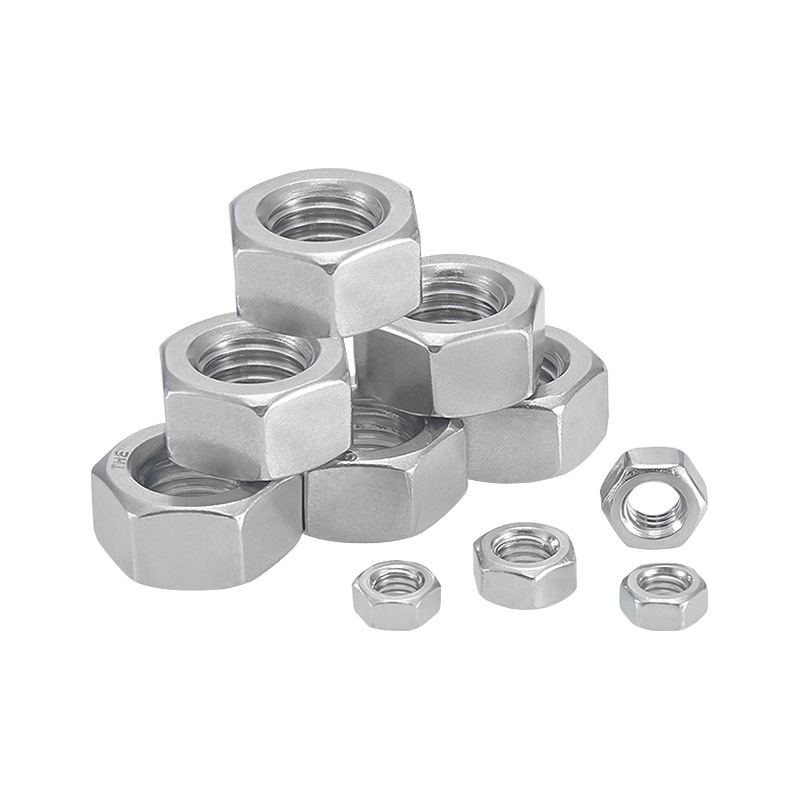
Precision stamping parts represent a manufacturing breakthrough that enables the creation of intricate geometries while maintaining exceptional dimensional consistency across high-volume production runs. The achievement of complex shapes with high repeatability requires a sophisticated understanding of material behavior, tooling precision, and process control mechanisms that work together to deliver parts meeting the most demanding specifications.
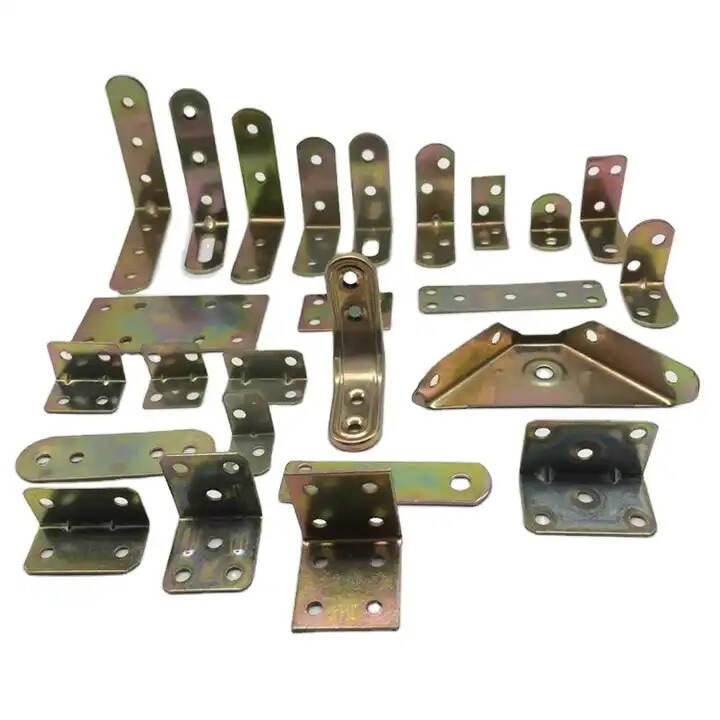
The ability to achieve complex geometries with high repeatability in precision stamping operations stems from the integration of advanced tooling technologies, precise material selection, and rigorous process optimization. Modern manufacturing environments demand components that not only meet intricate design requirements but also maintain consistent quality characteristics throughout extended production cycles, making the mastery of these techniques essential for competitive manufacturing operations.
Advanced Tooling Technologies for Complex Geometry Formation
Progressive Die Design Principles
Progressive die systems form the foundation for achieving complex geometries in precision stamping parts by breaking down intricate shapes into manageable forming stages. Each station within the progressive die performs a specific operation, allowing gradual material transformation that maintains dimensional accuracy while building complexity. The sequential nature of progressive tooling enables the creation of features that would be impossible to achieve in a single forming operation, such as deep draws combined with piercing operations, embossed details integrated with flanging, and multi-directional bends that require precise material flow control.
The design of progressive dies requires careful consideration of material flow patterns, stress distribution, and springback compensation to ensure each forming stage contributes to the final geometry without introducing cumulative errors. Advanced simulation software enables tooling engineers to predict material behavior throughout the entire forming sequence, optimizing station spacing, punch and die clearances, and forming angles to achieve the desired complex geometries while maintaining high repeatability standards.
Strip layout optimization plays a crucial role in progressive die effectiveness, as the arrangement of parts within the material strip directly impacts material utilization, dimensional accuracy, and production efficiency. The carrier strip design must provide adequate material support throughout the forming sequence while allowing for proper material flow and stress distribution that prevents distortion in the finished precision stamping parts.
Compound Die Applications
Compound die technology enables simultaneous multiple operations that create complex geometries in a single press stroke, achieving exceptional repeatability through the elimination of handling variations between operations. These sophisticated tooling systems perform blanking, piercing, forming, and coining operations simultaneously, ensuring precise part-to-part consistency that is essential for precision stamping parts requiring tight tolerances and complex feature combinations.
The design complexity of compound dies requires precise coordination between all forming elements to ensure uniform material flow and consistent feature formation. Tool steel selection, heat treatment specifications, and surface finish requirements must be carefully optimized to handle the high stress concentrations inherent in simultaneous multi-operation forming while maintaining long-term dimensional stability.
Compound die systems excel in applications where precision stamping parts require complex geometries with minimal material waste and maximum production efficiency. The ability to complete all forming operations in a single stroke eliminates the potential for cumulative positioning errors and reduces cycle time, making this approach particularly valuable for high-volume production of complex components.
Transfer Die Systems
Transfer die operations provide the flexibility needed for precision stamping parts with extremely complex geometries that require independent material handling between forming stations. This approach allows for more aggressive forming operations at each station while maintaining precise part positioning and orientation throughout the manufacturing sequence, enabling the creation of three-dimensional features that would be challenging to achieve with conventional progressive or compound tooling.
The mechanical transfer systems used in these operations must maintain precise part positioning tolerances to ensure repeatability across all forming stations. Advanced servo-driven transfer mechanisms provide the positioning accuracy needed for complex geometry formation while allowing for flexible timing and motion profiles that optimize material flow and forming quality.
Transfer die technology proves particularly valuable for precision stamping parts requiring deep draws, complex bends, or features that benefit from intermediate annealing or surface treatment operations between forming stages. The ability to pause the forming sequence for auxiliary operations while maintaining precise part positioning enables manufacturing approaches that would be impossible with continuous forming processes.
Material Engineering and Selection Criteria
Formability Characteristics
Material formability directly influences the ability to achieve complex geometries in precision stamping parts, as different alloys and tempers exhibit varying responses to the stress and strain conditions encountered during forming operations. High formability materials such as deep drawing steels and specialized aluminum alloys enable more aggressive forming operations while maintaining surface quality and dimensional accuracy, making them ideal choices for components requiring intricate shapes and tight tolerances.
The relationship between material thickness, grain structure, and forming limits determines the maximum complexity achievable in precision stamping parts without compromising repeatability. Thin materials generally offer superior formability but may lack the structural integrity needed for complex three-dimensional features, while thicker materials provide strength but require higher forming forces that can impact dimensional accuracy and tool life.
Material selection must consider the interaction between formability requirements and final part performance specifications, as the forming process itself influences material properties through work hardening, residual stress patterns, and microstructural changes. Advanced high-strength steels and specialized alloys designed for precision stamping applications offer optimized combinations of formability and final part properties that enable complex geometry achievement with consistent results.
Springback Compensation Strategies
Springback behavior represents one of the most significant challenges in achieving repeatable complex geometries in precision stamping parts, as the elastic recovery of formed material can vary based on material properties, forming conditions, and part geometry. Effective springback compensation requires detailed understanding of material stress-strain relationships and the development of tooling geometries that account for predictable elastic recovery patterns.
Advanced finite element analysis enables accurate prediction of springback behavior for complex geometries, allowing tooling designers to incorporate compensation angles and radii that result in final part dimensions meeting specification requirements. The iterative nature of springback compensation often requires multiple tool adjustments and validation cycles to achieve optimal results, particularly for precision stamping parts with varying section thicknesses or complex curvature combinations.
Material-specific springback databases developed through extensive testing provide valuable reference data for tooling design, but each unique geometry may exhibit springback patterns that require individualized compensation strategies. The development of robust springback prediction and compensation methodologies directly impacts the ability to achieve high repeatability in complex geometry precision stamping parts.
Work Hardening Considerations
Work hardening effects during forming operations significantly impact the final properties and dimensional stability of precision stamping parts with complex geometries, as the non-uniform strain patterns associated with intricate shapes create varying degrees of material strengthening throughout the component. Understanding and controlling work hardening distribution enables the optimization of part performance while maintaining dimensional consistency across production runs.
The relationship between forming severity and work hardening levels must be carefully balanced to achieve complex geometries without creating excessive material strengthening that could lead to cracking, tearing, or dimensional instability. Strategic use of forming sequence and intermediate annealing operations can manage work hardening distribution to optimize both formability during manufacturing and final part performance characteristics.
Work hardening patterns in precision stamping parts can be leveraged to create selective strengthening in critical areas while maintaining formability in regions requiring complex geometry formation. This approach requires sophisticated understanding of material behavior and forming mechanics to achieve the desired balance between geometric complexity and mechanical performance repeatability.
Process Control and Quality Assurance Methods
Real-Time Monitoring Systems
Real-time monitoring systems provide the continuous feedback necessary to maintain high repeatability in precision stamping parts with complex geometries by tracking critical process parameters and identifying variations before they impact part quality. Force monitoring, position feedback, and dimensional measurement systems work together to create a comprehensive quality control environment that ensures consistent results across extended production runs.
Press force monitoring reveals variations in material properties, lubrication effectiveness, and tool wear that could impact the formation of complex geometries in precision stamping parts. Advanced load monitoring systems can detect subtle changes in forming force signatures that indicate developing problems before they result in dimensional variations or part defects, enabling proactive adjustments that maintain repeatability standards.
Integration of real-time monitoring data with statistical process control systems enables the identification of trends and patterns that might not be apparent through periodic inspection alone. This approach provides the early warning capabilities needed to maintain tight control over complex geometry formation while maximizing production efficiency and minimizing scrap generation.
Dimensional Verification Protocols
Comprehensive dimensional verification protocols ensure that complex geometries in precision stamping parts meet specification requirements through systematic measurement and documentation of critical features and tolerances. Advanced coordinate measuring machines and optical inspection systems provide the accuracy and repeatability needed to verify intricate shapes and tight tolerance requirements that characterize high-quality stamped components.
The development of fixture systems for complex geometry measurement requires careful consideration of part support and accessibility to ensure accurate and repeatable measurements of all critical dimensions. Automated inspection systems can provide rapid verification of complex features while maintaining measurement consistency that supports high-volume production requirements for precision stamping parts.
Statistical sampling protocols must account for the potential variation sources specific to complex geometry formation, including material property variations, tool wear patterns, and process parameter drift. Effective sampling strategies balance inspection frequency with production efficiency while providing confidence in the dimensional quality of precision stamping parts throughout extended production runs.
Tool Maintenance and Calibration
Systematic tool maintenance and calibration programs directly impact the ability to achieve high repeatability in precision stamping parts with complex geometries, as tool wear and misalignment can gradually degrade dimensional accuracy and surface quality. Preventive maintenance schedules based on production volume, forming severity, and historical wear patterns help maintain consistent tool performance throughout the production lifecycle.
Tool condition monitoring through periodic dimensional verification and wear pattern analysis provides insight into the maintenance requirements specific to complex geometry formation. The high stress concentrations and localized wear patterns associated with intricate forming operations may require more frequent maintenance intervals and specialized reconditioning procedures to maintain repeatability standards.
Precision tool setting and alignment procedures ensure that complex geometry features are formed consistently from part to part, as even minor tool misalignments can result in dimensional variations that compromise repeatability. Advanced tool setting systems and alignment verification procedures provide the accuracy needed to maintain tight control over complex feature formation in precision stamping parts.
Production Optimization Strategies
Press Selection and Setup
Press selection for precision stamping parts with complex geometries requires careful consideration of tonnage capacity, stroke characteristics, and accuracy specifications that will impact repeatability and part quality. Servo-driven presses offer superior control over forming speed, dwell time, and motion profiles that can be optimized for specific complex geometry requirements, while mechanical presses may provide the consistency needed for high-volume production of less demanding applications.
Press setup procedures must account for the specific requirements of complex geometry formation, including proper die height adjustment, parallelism verification, and tonnage calibration that ensure consistent forming conditions across all production runs. The accuracy of press setup directly impacts the ability to achieve repeatable results in precision stamping parts requiring tight tolerances and intricate features.
Environmental control within the press area helps maintain consistent material properties and lubrication effectiveness that are critical for repeatable complex geometry formation. Temperature and humidity variations can impact material formability and springback behavior, making environmental stability an important factor in achieving consistent results in precision stamping parts production.
Lubrication System Optimization
Lubrication system design and maintenance directly impact the ability to achieve complex geometries with high repeatability in precision stamping parts by controlling friction conditions, material flow patterns, and tool wear rates. Advanced lubrication systems provide precise control over lubricant application rate, distribution pattern, and film thickness to optimize forming conditions for specific geometry requirements.
Lubricant selection must consider the specific requirements of complex geometry formation, including the ability to maintain effective lubrication under high contact pressures, compatibility with material surface treatments, and environmental considerations such as temperature stability and cleanup requirements. Specialized forming lubricants designed for precision stamping applications offer optimized performance characteristics that support repeatable complex geometry formation.
Lubrication system monitoring and maintenance ensure consistent lubricant delivery throughout extended production runs, as variations in lubrication effectiveness can directly impact dimensional accuracy and surface quality in precision stamping parts. Automated lubrication monitoring systems provide real-time feedback on system performance and alert operators to conditions that could compromise part quality.
Scrap Reduction Methodologies
Effective scrap reduction strategies for precision stamping parts with complex geometries focus on identifying and eliminating the root causes of dimensional variations, surface defects, and forming failures that can occur during intricate geometry formation. Statistical analysis of scrap generation patterns provides insight into process optimization opportunities that can improve both repeatability and material utilization efficiency.
Process capability studies specific to complex geometry formation help establish realistic tolerance expectations and identify process improvements that can reduce variation and improve repeatability in precision stamping parts production. The relationship between process capability and scrap generation becomes particularly important for high-value components where material costs and rework expenses significantly impact manufacturing economics.
Continuous improvement programs that incorporate feedback from quality control data, operator observations, and customer requirements provide the framework for ongoing optimization of complex geometry stamping processes. Regular review and update of process parameters, tool designs, and quality standards ensure that precision stamping parts continue to meet evolving requirements while maintaining high repeatability standards.
FAQ
What factors most significantly impact repeatability in complex geometry precision stamping parts?
The most significant factors affecting repeatability include material property consistency, tool condition and alignment, press setup accuracy, and process parameter control. Material variations in thickness, mechanical properties, and surface condition directly impact forming behavior and final part dimensions. Tool wear, misalignment, or damage creates progressive changes in forming conditions that reduce repeatability over time. Press setup accuracy, including die height, parallelism, and tonnage calibration, establishes the foundation for consistent forming conditions, while process parameter control encompasses lubrication effectiveness, cycle timing, and environmental conditions that influence material behavior during forming operations.
How do progressive dies maintain accuracy across multiple forming stations for complex geometries?
Progressive dies maintain accuracy through precise strip advancement systems, controlled material flow between stations, and cumulative tolerance management strategies. The pilot system ensures accurate positioning of the material strip at each station, while the die design controls material flow to prevent distortion or dimensional drift as the part progresses through forming operations. Each station is designed with consideration for the cumulative effects of previous forming operations, and compensation strategies account for springback, work hardening, and dimensional changes that occur throughout the forming sequence. Advanced progressive dies incorporate real-time monitoring and adjustment capabilities that maintain consistent strip advancement and forming conditions across all stations.
What role does simulation software play in achieving complex geometries with high repeatability?
Simulation software enables prediction of material behavior, optimization of forming sequences, and validation of tool designs before physical tooling construction, significantly reducing development time and improving repeatability outcomes. Advanced finite element analysis accurately predicts stress distributions, strain patterns, springback behavior, and potential failure modes for complex geometries, allowing engineers to optimize tool designs and process parameters virtually. Simulation results guide decisions on material selection, forming sequence optimization, and compensation strategies that are essential for achieving repeatable complex geometry formation. The ability to test multiple design iterations and process scenarios virtually enables the development of robust manufacturing processes that consistently produce precision stamping parts meeting specification requirements.
How can manufacturers verify the dimensional accuracy of complex geometry precision stamping parts during production?
Dimensional verification requires a combination of automated inspection systems, statistical sampling protocols, and comprehensive measurement strategies that account for the complexity of the part geometry. Coordinate measuring machines provide accurate measurement of critical dimensions and geometric relationships, while optical inspection systems can rapidly verify complex features and surface conditions. Real-time monitoring systems track process parameters that correlate with dimensional quality, enabling immediate response to variations that could impact part accuracy. Statistical process control methods analyze measurement data to identify trends and ensure that manufacturing processes remain within acceptable limits, while fixture design and measurement procedures are optimized to provide repeatable and accurate verification of complex geometry features throughout production runs.
Table of Contents
- Advanced Tooling Technologies for Complex Geometry Formation
- Material Engineering and Selection Criteria
- Process Control and Quality Assurance Methods
- Production Optimization Strategies
-
FAQ
- What factors most significantly impact repeatability in complex geometry precision stamping parts?
- How do progressive dies maintain accuracy across multiple forming stations for complex geometries?
- What role does simulation software play in achieving complex geometries with high repeatability?
- How can manufacturers verify the dimensional accuracy of complex geometry precision stamping parts during production?