
 EN
EN
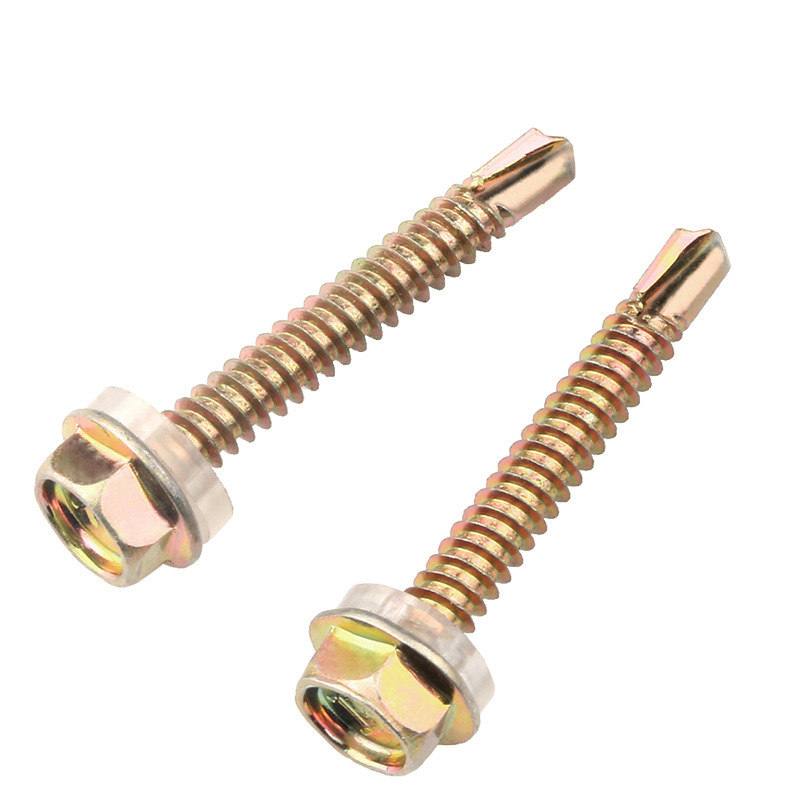
Manufacturing industries worldwide face mounting pressure to deliver high-quality products while maintaining cost-effectiveness and rapid production cycles. In this competitive landscape, precision stamping parts have emerged as a cornerstone technology that transforms traditional manufacturing approaches. These specialized components offer manufacturers an unprecedented combination of accuracy, speed, and repeatability that directly addresses the core challenges of modern mass production environments.
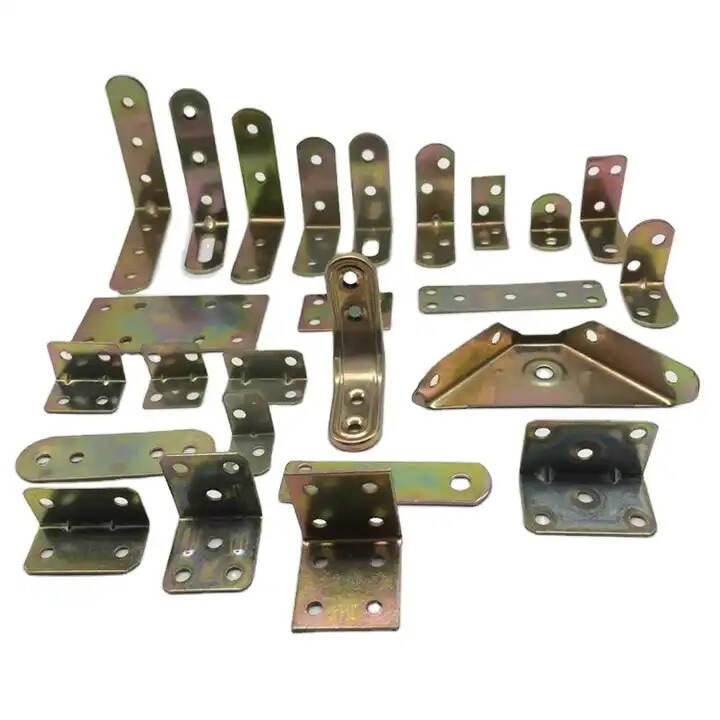
The evolution of precision stamping technology has revolutionized how manufacturers approach component production, particularly in sectors requiring exceptional dimensional accuracy and surface finish quality. From automotive assemblies to electronic housings, precision stamping parts deliver the mechanical properties and geometric specifications that modern applications demand. This advanced manufacturing method combines sophisticated tooling design with high-performance materials to create components that meet increasingly stringent industry standards while maintaining economic viability for large-scale production runs.
Fundamental Principles of Precision Stamping Technology
Advanced Material Deformation Mechanics
The science behind precision stamping parts lies in controlled material deformation processes that achieve exceptional dimensional accuracy through precise force application and tooling geometry. Modern stamping operations utilize advanced materials science principles to optimize grain structure alignment and stress distribution patterns throughout the forming process. This scientific approach ensures that precision stamping parts maintain consistent mechanical properties across entire production batches while minimizing material waste and energy consumption.
Engineers have developed sophisticated modeling techniques that predict material flow patterns and springback characteristics during the stamping process. These predictive capabilities enable manufacturers to design tooling systems that compensate for material behavior variations, resulting in precision stamping parts that consistently meet tight tolerance requirements. The integration of finite element analysis and real-time process monitoring has further enhanced the reliability and repeatability of precision stamping operations.
Tooling Design and Manufacturing Excellence
The foundation of superior precision stamping parts begins with meticulously engineered tooling systems that incorporate advanced materials and precision manufacturing techniques. Modern die design utilizes computer-aided engineering software to optimize cutting clearances, forming radii, and material flow paths. This systematic approach ensures that precision stamping parts exhibit consistent quality characteristics while minimizing tool wear and maintenance requirements throughout extended production campaigns.
Progressive die systems represent the pinnacle of tooling innovation for precision stamping parts production, enabling multiple forming operations within a single press stroke. These sophisticated tool assemblies incorporate precision guide systems, automated material handling mechanisms, and integrated quality monitoring sensors. The result is a highly efficient manufacturing process that produces precision stamping parts with exceptional repeatability and minimal human intervention requirements.
Efficiency Optimization Through Precision Stamping Integration
Production Speed and Throughput Enhancement
Manufacturing facilities that implement precision stamping parts production systems experience dramatic improvements in overall throughput rates compared to traditional machining or fabrication methods. High-speed stamping presses can execute thousands of forming cycles per hour while maintaining exceptional dimensional accuracy and surface quality. This remarkable production velocity enables manufacturers to meet demanding delivery schedules while reducing per-unit manufacturing costs through economies of scale.
The automated nature of precision stamping operations significantly reduces cycle times by eliminating many manual handling and setup procedures associated with alternative manufacturing methods. Integrated feeding systems, automated quality inspection stations, and robotic part handling equipment work seamlessly together to create a continuous production flow. This streamlined approach to precision stamping parts manufacturing minimizes downtime and maximizes equipment utilization rates across the entire production facility.
Resource Utilization and Waste Reduction
Modern precision stamping parts manufacturing incorporates advanced material utilization strategies that minimize waste generation while optimizing raw material consumption patterns. Sophisticated nesting algorithms maximize the number of components produced from each sheet or coil of source material. These optimization techniques, combined with precise cutting operations, ensure that precision stamping parts production achieves material utilization rates exceeding ninety percent in many applications.
Energy efficiency represents another critical advantage of precision stamping parts manufacturing systems. The rapid forming cycles and elimination of extensive machining operations significantly reduce energy consumption per produced component. Additionally, modern servo-driven stamping equipment incorporates regenerative braking systems and variable-speed drives that further enhance energy efficiency while maintaining the precision and speed required for high-quality precision stamping parts production.
Consistency and Quality Assurance in Mass Production
Dimensional Accuracy and Tolerance Control
The exceptional dimensional consistency achieved through precision stamping parts manufacturing stems from the inherent repeatability of the forming process and advanced process control systems. Modern stamping equipment incorporates real-time monitoring sensors that continuously track critical parameters such as forming force, material thickness, and die position. This comprehensive data collection enables immediate process adjustments that maintain precision stamping parts quality within extremely tight tolerance bands throughout extended production runs.
Statistical process control methodologies have been specifically adapted for precision stamping parts manufacturing to ensure consistent quality delivery. Automated measurement systems collect dimensional data from sample parts at predetermined intervals, creating comprehensive quality databases that identify trends and potential issues before they affect production quality. This proactive approach to quality management ensures that precision stamping parts consistently meet or exceed customer specifications while minimizing reject rates and rework requirements.
Surface Quality and Finish Characteristics
Surface finish quality represents a critical performance characteristic of precision stamping parts that directly impacts their functionality in assembled products. Advanced die surface treatments and controlled lubrication systems work together to produce precision stamping parts with consistently smooth surface finishes and minimal surface defects. These superior surface characteristics eliminate the need for secondary finishing operations in many applications, reducing overall manufacturing costs and delivery times.
The material flow control achieved during precision stamping operations results in favorable grain structure alignment that enhances both surface quality and mechanical properties. Controlled deformation rates and optimized forming temperatures ensure that precision stamping parts exhibit uniform surface characteristics across their entire geometry. This consistency in surface quality contributes significantly to the reliable performance of precision stamping parts in demanding application environments.
Applications and Industry Integration
Automotive Manufacturing Excellence
The automotive industry has embraced precision stamping parts as essential components for both structural and functional applications throughout vehicle assemblies. From body panels and chassis reinforcements to intricate bracket systems and mounting hardware, precision stamping parts provide the strength, durability, and dimensional accuracy required for modern automotive manufacturing. The ability to produce complex geometries with consistent quality makes precision stamping parts ideal for safety-critical applications where performance reliability is paramount.
Electric vehicle development has created new opportunities for precision stamping parts in battery housing systems, thermal management components, and electromagnetic shielding applications. The exceptional dimensional accuracy and material properties achieved through precision stamping processes enable automotive manufacturers to meet the stringent requirements of next-generation vehicle technologies while maintaining cost-effectiveness in high-volume production environments.
Electronics and Technology Sector Applications
Consumer electronics manufacturers rely heavily on precision stamping parts to create the miniaturized components required for modern devices. Heat sinks, connector housings, shielding components, and structural elements all benefit from the exceptional accuracy and consistency that precision stamping processes deliver. The ability to maintain tight tolerances while working with thin materials makes precision stamping parts essential for the compact designs that characterize contemporary electronic products.
Telecommunications infrastructure components represent another significant application area where precision stamping parts contribute to system performance and reliability. Antenna elements, connector assemblies, and housing components manufactured through precision stamping processes ensure consistent electrical performance while withstanding harsh environmental conditions. The repeatability and quality consistency of precision stamping parts manufacturing makes them ideal for mission-critical telecommunications applications.
Economic Impact and Cost Benefits
Manufacturing Cost Optimization
The economic advantages of precision stamping parts extend far beyond simple production cost reductions to encompass total cost of ownership benefits throughout the product lifecycle. Reduced tooling costs per unit, minimized material waste, and elimination of secondary operations contribute to significant cost savings compared to alternative manufacturing methods. These economic benefits become increasingly pronounced in high-volume production scenarios where the fixed costs of precision stamping tooling are amortized across large quantities of precision stamping parts.
Labor cost reductions represent another substantial economic benefit of precision stamping parts manufacturing. The highly automated nature of modern stamping operations requires minimal direct labor involvement while achieving exceptional production rates. This automation advantage enables manufacturers to maintain competitive pricing for precision stamping parts while ensuring consistent quality delivery regardless of labor market fluctuations or skill availability challenges.
Supply Chain Integration Benefits
Precision stamping parts manufacturing supports simplified supply chain management through consolidated sourcing opportunities and reduced inventory complexity. Single suppliers can often provide multiple precision stamping parts that previously required coordination among various manufacturers using different production technologies. This supply chain consolidation reduces administrative overhead, simplifies quality management procedures, and enables more effective supplier relationship development.
The predictable delivery schedules achievable with precision stamping parts manufacturing contribute significantly to supply chain optimization and inventory management efficiency. Consistent production rates and reliable quality delivery enable manufacturers to implement lean inventory strategies while maintaining adequate safety stock levels. This predictability in precision stamping parts availability supports just-in-time manufacturing approaches that minimize working capital requirements while ensuring production continuity.
Future Developments and Technology Trends
Advanced Material Integration
Emerging material technologies are expanding the capabilities and applications of precision stamping parts manufacturing processes. Advanced high-strength steels, lightweight aluminum alloys, and specialized composites offer new possibilities for precision stamping parts that combine exceptional mechanical properties with reduced weight characteristics. These material innovations enable precision stamping parts to meet increasingly demanding performance requirements while maintaining the cost-effectiveness and production efficiency that characterize the stamping process.
Smart material integration represents an exciting frontier for precision stamping parts development, incorporating shape memory alloys and other responsive materials into formed components. These advanced materials enable precision stamping parts to provide adaptive functionality that responds to environmental conditions or operational requirements. Such innovations open new application possibilities for precision stamping parts in automotive, aerospace, and industrial automation sectors.
Digital Manufacturing Integration
Industry 4.0 technologies are revolutionizing precision stamping parts manufacturing through comprehensive digitalization and connectivity solutions. Internet of Things sensors, artificial intelligence algorithms, and machine learning systems work together to optimize precision stamping operations in real-time. These digital technologies enable predictive maintenance scheduling, automatic process optimization, and quality prediction capabilities that further enhance the efficiency and consistency of precision stamping parts production.
Digital twin technology allows manufacturers to create virtual representations of precision stamping parts production systems that enable advanced process optimization and troubleshooting capabilities. These virtual models simulate various operating conditions and material variations to identify optimal process parameters before implementing changes in actual production environments. This approach minimizes trial-and-error periods while ensuring that precision stamping parts consistently meet quality requirements throughout process improvement initiatives.
FAQ
What materials are best suited for precision stamping parts manufacturing
Precision stamping parts can be manufactured from a wide variety of materials including carbon steels, stainless steels, aluminum alloys, copper alloys, and specialized materials like titanium or inconel. Material selection depends on the specific application requirements including strength, corrosion resistance, electrical conductivity, and weight considerations. The key factor is ensuring the chosen material has appropriate formability characteristics that enable successful stamping while meeting the final component performance requirements.
How do precision stamping parts compare to machined components in terms of accuracy
Modern precision stamping parts can achieve tolerances comparable to many machined components, typically in the range of ±0.001 to ±0.005 inches depending on the component geometry and material characteristics. While machining may achieve slightly tighter tolerances in some applications, precision stamping parts offer the advantage of maintaining these tolerances consistently across high-volume production runs while eliminating the surface finish variations often associated with machining operations.
What production volumes make precision stamping parts economically viable
The economic viability of precision stamping parts typically begins at production volumes of several thousand pieces annually, though this threshold varies depending on component complexity and tooling requirements. High tooling costs are offset by low per-piece production costs, making precision stamping parts increasingly cost-effective as volumes increase. For very high volumes exceeding hundreds of thousands of pieces, precision stamping parts often provide the most economical manufacturing solution available.
How long do precision stamping tools typically last in production
Well-designed and properly maintained precision stamping tools can produce millions of parts before requiring significant reconditioning or replacement. Tool life depends on factors including material being stamped, part complexity, production rate, and maintenance practices. Regular tool maintenance including sharpening, surface treatment renewal, and wear component replacement helps maximize tool life and maintain consistent precision stamping parts quality throughout extended production campaigns.