
 EN
EN
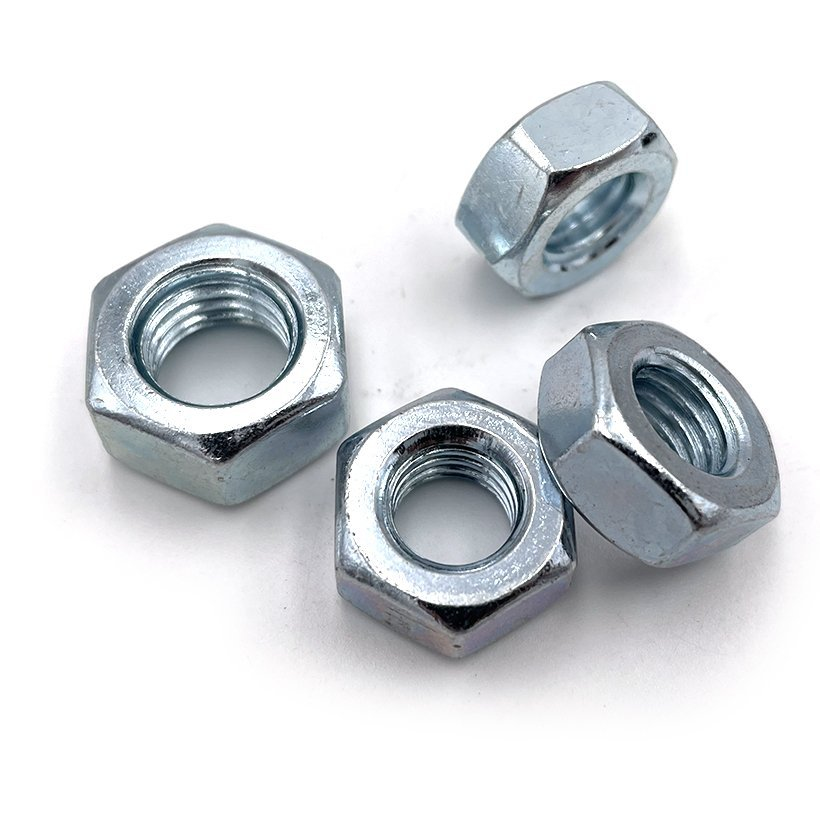
Selecting the appropriate grade and thread pitch for your fastening project requires careful consideration of multiple engineering factors. The success of any mechanical assembly depends heavily on choosing the right hex nuts and bolts that can withstand the specific loads, environmental conditions, and operational requirements of your application. Understanding the fundamental properties of different fastener grades and thread specifications will help you make informed decisions that ensure long-term reliability and safety in your projects.
Understanding Fastener Grade Classifications
SAE Grade System for Steel Fasteners
The Society of Automotive Engineers (SAE) grade system provides a standardized method for classifying the strength properties of steel fasteners, including hex nuts. SAE grades range from Grade 2 through Grade 8, with higher numbers indicating greater tensile strength and hardness. Grade 2 fasteners are the most common for general-purpose applications, offering adequate strength for low-stress environments. These fasteners are typically used in construction, furniture assembly, and non-critical mechanical connections where moderate loads are expected.
Grade 5 hex nuts represent a significant step up in strength characteristics, providing approximately 50% more tensile strength than Grade 2 fasteners. These intermediate-strength fasteners are commonly specified for automotive applications, machinery assembly, and structural connections where higher loads and vibration resistance are required. The heat treatment process used in manufacturing Grade 5 fasteners results in improved fatigue resistance and overall durability.
Grade 8 fasteners offer the highest strength available in standard SAE classifications, with tensile strengths approaching 150,000 PSI. These premium hex nuts are essential for critical applications such as engine assembly, heavy machinery, and high-performance automotive components. The superior strength characteristics come with increased material costs and specific installation requirements, including proper torque specifications and thread engagement guidelines.
Metric Grade Classifications
The metric system uses a different approach to grade classification, employing property class designations such as 8.8, 10.9, and 12.9 for steel fasteners. The first number indicates the nominal tensile strength in hundreds of megapascals, while the second number represents the yield strength as a percentage of tensile strength. This system provides more precise specifications for engineering applications and is widely used in international manufacturing and construction projects.
Property class 8.8 hex nuts are comparable to SAE Grade 5 in terms of strength characteristics, making them suitable for medium-duty applications. Class 10.9 fasteners offer strength levels similar to SAE Grade 8, while class 12.9 provides even higher performance for demanding applications. Understanding these metric classifications is essential for projects involving international standards or imported machinery components.
Thread Pitch Selection Principles
Coarse Thread Applications
Coarse thread pitch represents the standard threading option for most general-purpose fastening applications. The larger thread pitch provides faster installation and removal, making coarse threads ideal for assembly operations where speed is important. hex nuts with coarse threading also offer better performance in materials with lower shear strength, such as cast iron, aluminum, and plastic substrates.
The self-cleaning action of coarse threads makes them more forgiving in dirty or contaminated environments, as debris is less likely to bind in the larger thread valleys. This characteristic is particularly valuable in construction, maintenance, and repair applications where perfect cleanliness cannot always be maintained. Coarse threads also provide better resistance to thread damage during installation, reducing the risk of cross-threading and galling.
From a strength perspective, coarse threads typically provide adequate holding power for most applications while requiring less precise torque control during installation. The larger thread engagement area distributes loads more evenly, reducing stress concentrations that could lead to thread failure. This makes coarse thread hex nuts an excellent choice for structural applications where reliability is paramount.
Fine Thread Advantages
Fine thread pitch offers distinct advantages in applications requiring precise adjustment, higher clamping force, or improved vibration resistance. The smaller thread angle and increased number of threads per inch create greater frictional resistance, making fine threads naturally more resistant to loosening under dynamic loads. This characteristic makes fine thread hex nuts particularly valuable in automotive, aerospace, and machinery applications where vibration is a concern.
The increased thread engagement area per unit length of fine threads allows for higher tensile loads in thin-walled applications where thread engagement depth is limited. This makes fine threads essential for thin sheet metal assemblies, precision instruments, and applications where space constraints limit the available thread engagement length. Fine threads also provide smoother adjustment in applications requiring precise positioning or alignment.
Material Selection Considerations
Carbon Steel Properties
Carbon steel represents the most common material choice for hex nuts in general industrial applications. Low-carbon steel grades offer good formability and weldability while providing adequate strength for non-critical applications. Medium-carbon steel provides increased strength through heat treatment processes, making it suitable for more demanding applications where higher loads are expected.
The cost-effectiveness of carbon steel makes it attractive for high-volume applications where corrosion resistance is not a primary concern. However, carbon steel hex nuts require protective coatings or treatments when exposure to moisture or corrosive environments is anticipated. Zinc plating, galvanizing, and other surface treatments can significantly extend the service life of carbon steel fasteners in challenging environments.
Stainless Steel Applications
Stainless steel hex nuts provide superior corrosion resistance for applications in marine environments, chemical processing, food service, and other corrosive conditions. The chromium content in stainless steel forms a passive oxide layer that protects against rust and corrosion, eliminating the need for additional protective coatings. This makes stainless steel fasteners ideal for applications where appearance and hygiene are important considerations.
The different grades of stainless steel offer varying levels of corrosion resistance and mechanical properties. Austenitic grades such as 316 provide excellent corrosion resistance and good mechanical properties, while martensitic grades can be heat treated for higher strength applications. The selection of stainless steel grade depends on the specific environmental conditions and strength requirements of the application.
Environmental Factor Assessment
Temperature Considerations
Operating temperature significantly affects the performance characteristics of hex nuts and their ability to maintain proper clamping force. High temperatures can cause thermal expansion, stress relaxation, and changes in material properties that affect joint integrity. Understanding the temperature range of your application helps determine appropriate material selection and grade requirements for optimal performance.
Low-temperature applications present different challenges, including potential brittleness in some steel grades and differential thermal contraction between dissimilar materials. These factors must be considered when selecting hex nuts for outdoor applications, refrigeration systems, or other environments with extreme temperature variations. Some applications may require special alloys or treatments to maintain performance across the expected temperature range.
Corrosion Protection Requirements
Corrosive environments demand careful consideration of material selection and protective treatments for hex nuts. Marine applications, chemical processing facilities, and outdoor installations expose fasteners to various corrosive agents that can compromise structural integrity over time. The selection of appropriate corrosion protection depends on the specific corrosive agents present and the required service life of the assembly.
Hot-dip galvanizing provides excellent long-term corrosion protection for hex nuts in outdoor structural applications, while barrier coatings may be sufficient for less aggressive environments. Cathodic protection systems can extend the service life of fasteners in underground or submerged applications. The cost of corrosion protection must be balanced against the consequences of fastener failure in each specific application.
Load Analysis and Safety Factors
Static Load Calculations
Proper load analysis begins with identifying all forces acting on the fastened joint, including tension, shear, and combined loading conditions. Static loads remain constant over time and can be calculated using established engineering formulas that account for the cross-sectional area and material properties of hex nuts. The ultimate tensile strength and yield strength of the selected grade must exceed the calculated loads by an appropriate safety factor.
Safety factors typically range from 2:1 to 4:1 depending on the criticality of the application and the consequences of failure. Life-safety applications require higher safety factors, while non-critical applications may use lower factors to optimize cost and weight. The selection of appropriate safety factors requires consideration of load uncertainties, material property variations, and environmental effects on fastener performance.
Dynamic and Fatigue Considerations
Dynamic loads create cyclic stresses that can lead to fatigue failure over time, even when the applied loads are well below the static strength of hex nuts. Fatigue analysis requires consideration of the stress range, number of load cycles, and stress concentration factors at thread roots and bearing surfaces. High-strength grades may actually perform worse under fatigue conditions due to increased sensitivity to stress concentrations.
Vibration and shock loading present additional challenges that may require special consideration in fastener selection. Lock washers, thread-locking compounds, or special nut designs may be necessary to prevent loosening under dynamic conditions. The preload level in the fastener joint significantly affects fatigue performance, making proper installation procedures critical for long-term reliability.
Installation and Torque Specifications
Torque Requirements by Grade
Each grade of hex nuts requires specific torque values to achieve proper preload and joint performance. Under-torquing results in insufficient clamping force and potential joint separation, while over-torquing can cause thread stripping, bolt breakage, or permanent deformation. Published torque tables provide starting points, but actual values may need adjustment based on thread condition, lubrication, and specific application requirements.
The relationship between applied torque and resulting preload is affected by friction in the threads and under the nut face. Lubrication reduces friction and allows more of the applied torque to be converted into useful preload, but also increases the risk of over-torquing if standard dry torque values are used. Thread pitch also affects the torque-preload relationship, with fine threads typically requiring different torque specifications than coarse threads.
Thread Engagement Guidelines
Proper thread engagement ensures that the full strength of hex nuts can be developed without thread stripping. The general rule requires thread engagement equal to one times the nominal diameter for steel-to-steel connections, with increased engagement for softer materials or critical applications. Insufficient engagement concentrates loads on the first few engaged threads, leading to premature failure.
Thread engagement calculations must account for the specific materials being joined and their relative strengths. When hex nuts are significantly stronger than the threaded rod or bolt, the engagement requirement may be determined by the weaker component. Thread gages and inspection procedures help ensure proper engagement during assembly and maintenance operations.
FAQ
What is the difference between SAE and metric hex nut grades
SAE grades use a numbering system (Grade 2, 5, 8) where higher numbers indicate greater strength, while metric grades use property classes (8.8, 10.9, 12.9) where the first number represents tensile strength in hundreds of megapascals. Both systems specify minimum mechanical properties, but the metric system provides more precise strength classifications for engineering applications.
When should I choose fine threads over coarse threads for hex nuts
Fine threads are preferred when you need higher clamping force in limited space, better vibration resistance, or precise adjustment capability. They provide more threads per inch for greater holding power and are naturally more resistant to loosening. However, coarse threads install faster, resist thread damage better, and perform better in dirty environments or softer materials.
How do environmental conditions affect hex nut selection
Environmental factors such as temperature extremes, corrosive chemicals, moisture, and UV exposure significantly impact material selection and required protective treatments. Marine environments require stainless steel or heavily galvanized hex nuts, while high-temperature applications may need special alloys. Cold environments can make some steels brittle, requiring impact-resistant grades.
What safety factors should I use when calculating hex nut requirements
Safety factors typically range from 2:1 to 4:1 depending on application criticality, load uncertainties, and failure consequences. Life-safety applications require higher safety factors, while non-critical applications may use lower factors. Dynamic loading, environmental effects, and material property variations should all be considered when establishing appropriate safety margins for your specific application.