
 EN
EN
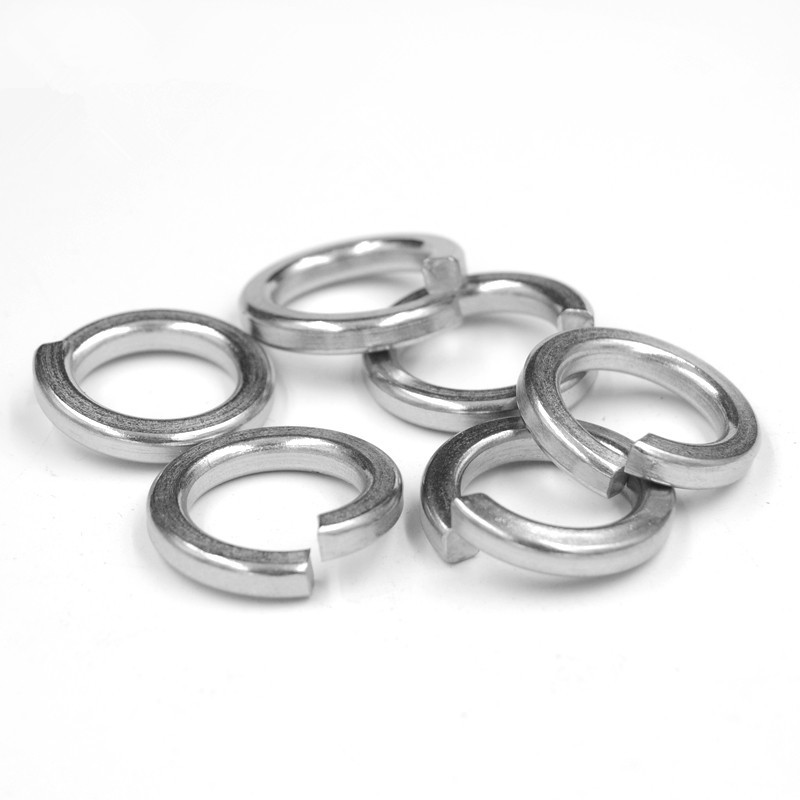
تمثل البراغي ذات الحواف تقدّماً بالغ الأهمية في تكنولوجيا التثبيت، وقد صُمّمت خصيصاً لمعالجة التحديات الأمنية الجوهرية الناجمة عن الحاجة إلى توزيع أوسع للحمولة عبر المكونات المتصلة. وعلى عكس البراغي السداسية التقليدية التي تركز الإجهاد عند نقاط تماس محددة، فإن البراغي ذات الحواف تدمج حلقةً مدمجةً على شكل واشِر (غسالة) تغيّر جذرياً طريقة انتقال الأحمال الميكانيكية عبر الوصلات المبرغة، مما يخلق نمطاً موزَّعاً من الإجهادات يعزّز بشكلٍ كبيرٍ السلامة الهيكلية وسلامة التشغيل.
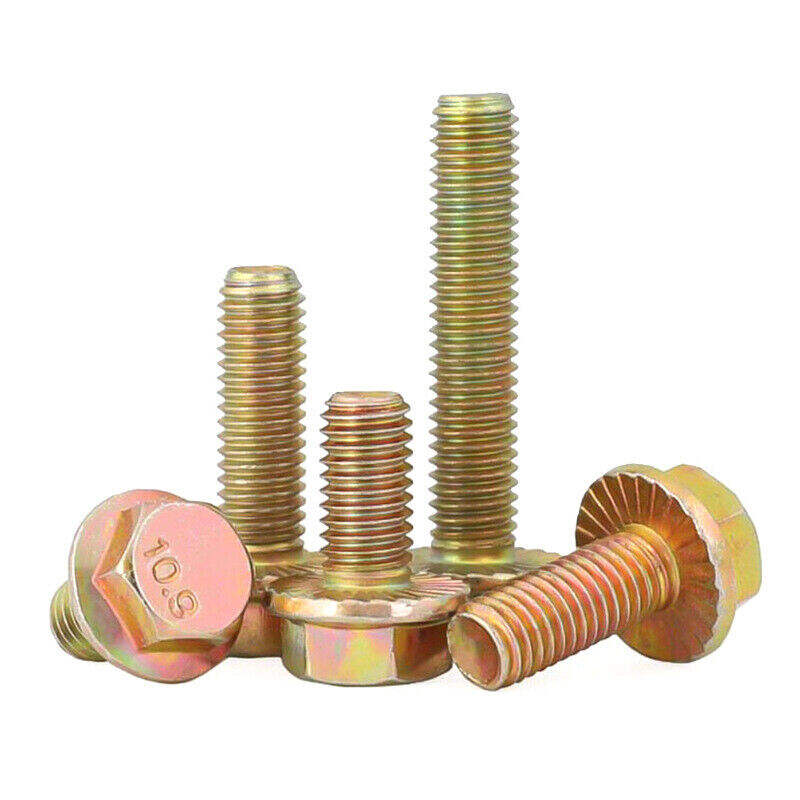
تبرز فوائد الأمان لمسامير الشفة بشكل خاص في التطبيقات التي قد تؤدي فيها نقاط الإجهاد المركزة إلى انهيار كارثي، أو إجهاد المواد، أو ارتخاء تدريجي للوصلات تحت ظروف التحميل الديناميكي. من خلال دمج شفة متكاملة توزع قوى التثبيت على مساحة سطح أكبر، تُغني هذه المثبتات المتخصصة عن الحاجة إلى غسالات منفصلة، مع توفير خصائص توزيع أحمال فائقة تُترجم مباشرةً إلى هوامش أمان مُحسّنة للوصلات الهيكلية الحرجة.
آليات تحسين توزيع الإجهادات
مبادئ التصميم المتكامل للحواف
تتمثل الميزة الأمنية الأساسية للبراغي ذات الحواف في تصميم الحافة المدمجة فيها، والتي تُشكّل سطح تحمل أكبر بكثير مقارنةً بالبراغي السداسية القياسية. ويؤدي هذا الزيادة في مساحة التلامس إلى تغيير نمط توزيع الإجهادات من حمل نقطي مركّز إلى مجال ضغط موزَّعٍ بشكل أكثر انتظامًا. وعند شد البراغي ذات الحواف بالعزم المناسب، تعمل الحافة المدمجة كجهاز مدمج لتوزيع الأحمال، مما يقلل من تركيزات الإجهاد القصوى التي قد تؤدي خلاف ذلك إلى تشوه المواد أو تلف تدريجي في المكونات المشدودة.
هندسة الحواف في هذه المثبتات المتخصصة مُصمَّمة بدقة لتحسين مسار التحميل بين رأس البرغي والمادة الأساسية. وعلى عكس أنظمة التثبيت التقليدية التي تتركز فيها الإجهادات عند مساحة التلامس الصغيرة نسبيًّا الموجودة أسفل رأس البرغي، فإن البراغي ذات الحواف توزِّع حمل التثبيت عبر مساحة دائرية قد تكون أكبر بثلاثة إلى خمسة أضعاف من مساحة رأس برغي السداسية القياسي. وتؤدي هذه المنطقة الموسَّعة للتلامس إلى خفض ملحوظ في إجهاد التحمُّل على المادة الأساسية، وهي ميزةٌ بالغة الأهمية عند التعامل مع المواد اللينة أو المكونات ذات الجدران الرقيقة التي تكون عرضة للتشوه الموضعي.
كفاءة نقل الحمولة
ت loge صواميل الألواح كفاءة ممتازة في نقل الأحمال من خلال قدرتها على الحفاظ على توزيع أكثر انتظامًا للإجهادات عبر واجهة التثبيت بالكامل. وتؤدي اللوحة المدمجة دور العنصر الوسيطي الذي يُخفف من تركيزات الإجهادات ويخلق انتقالًا تدريجيًّا أكثر سلاسة للقوى من الصامولة إلى السطح الأساسي. وينتج عن هذه الآلية المحسَّنة لنقل الأحمال خفض احتمال حدوث شقوق ناتجة عن الإجهادات، وبخاصة في التطبيقات التي تتضمَّن أحمالًا دورية أو تعرضًا للاهتزاز، حيث قد تتعرَّض وسائل التثبيت التقليدية للفك التدريجي أو الفشل بسبب التعب.
تُسهم القدرات المحسَّنة لنقل الحمولة في البراغي ذات الحواف أيضًا في تحسين صلابة الوصلات وتقليل الانحراف تحت الأحمال المطبَّقة. وبتوزيع القوى بشكل أكثر انتظامًا، تساعد هذه العناصر السريعة في الحفاظ على السلامة الهندسية لتجميعات البراغي، ومنع التشوهات المحلية التي قد تُضعف محاذاة أنظمة الميكانيكا الدقيقة ووظائفها. وهذه الخاصية ذات قيمةٍ كبيرةٍ خصوصًا في التطبيقات التي يُعد استقرار الأبعاد فيها أمرًا بالغ الأهمية لضمان التشغيل السليم والسلامة.
منع تلف المادة الأساسية وفشلها
حماية المادة تحت قوى الشد العالية
يتمثل أحد أهم فوائد البراغي ذات الحواف من حيث السلامة في قدرتها على حماية مواد المادة الأساسية من التلف أثناء التركيب والاستخدام. وعندما تتطلب عملية تحقيق ما قبل التحميل المناسب للوصلة قوى شدٍّ عاليةً، فإن البراغي السداسية التقليدية قد تُحدث إجهادات تحملٍ مفرطةً تتجاوز حد الخضوع للمادة، مما يؤدي إلى تشوه دائم أو تلف سطحي. براغي الحافة التخفيف من هذه المخاطر عن طريق توزيع قوة التثبيت على مساحة أكبر، والحفاظ على إجهادات التحميل ضمن الحدود المقبولة حتى عند تطبيق عزوم دورانية كبيرة أثناء التركيب.
تصبح الحماية التي توفرها براغي الألواح (Flange Bolts) بالغة الأهمية عند العمل مع سبائك الألومنيوم أو المواد المركبة أو مكونات الصفائح المعدنية الرقيقة التي تمتلك مقاومة تحميل محدودة. وفي هذه التطبيقات، قد تؤدي الأحمال المركزة الناتجة عن البراغي السداسية القياسية إلى سحق محلي أو ظهور انطباعات أو تلف يمتد عبر سمك المادة، مما يُضعف السلامة الإنشائية للتجميع بأكمله. ويضمن التوزيع الأوسع للأحمال الذي توفره براغي الألواح أن تبقى المادة الأساسية ضمن نطاقها المرن، محافظًا بذلك على خصائصها الميكانيكية ودقّة أبعادها.
القضاء على حالات الفشل المرتبطة بالواشات
من خلال دمج وظيفة توزيع الحمل مباشرةً في تصميم البرغي، فإن البراغي ذات الحواف تلغي عدّة أوضاع فشل مرتبطة بأنظمة الغسالات المنفصلة. فقد تتعرّض التجميعات التقليدية التي تستخدم براغي سداسية الشكل وغسالات إلى إزاحة الغسالة أو ميلها أو كسرها تحت ظروف التحميل الديناميكي، وأيٌّ من هذه الحالات قد يؤدي إلى تدهور سريع في الوصلة وحدوث مخاطر محتملة على السلامة. وتلغي البراغي ذات الحواف هذه المخاطر من خلال ضمان أن يكون عنصر توزيع الحمل مدمجًا بشكل دائم مع العنصر السريع نفسه، ما يُنشئ سلوك وصلة أكثر موثوقية وقابلية للتنبؤ.
كما أن إلغاء الغسالات المنفصلة يقلل أيضًا من احتمال وقوع أخطاء أثناء التجميع، والتي قد تُضعف سلامة المفصل. فاختيار الغسالة غير المناسب، أو تركيبها بشكل غير صحيح، أو حتى حذفها تمامًا، كلُّها أسباب شائعة لفشل نظام التثبيت في التطبيقات الصناعية. وتوفِّر مسامير الحواف حمايةً مدمجةً ضد هذه العوامل البشرية، وذلك من خلال دمج خصائص توزيع الحمل الضرورية كجزءٍ لا يتجزأ من تصميم التثبيت، مما يضمن أداءً ثابتًا بغض النظر عن التباين في طريقة التركيب.
التحميل الديناميكي ومقاومة الاهتزاز
استقرار محسَّن للمفصل تحت الإجهادات المتكرِّرة
تُظهر براغي الألواح أداءً متفوقًا في التطبيقات الخاضعة لأحمال ديناميكية والاهتزاز، حيث يسهم التوزيع الأوسع للحمل بشكلٍ كبير في استقرار المفصل وطول عمره. وتساعد مساحة السطح الحامل الأكبر التي توفرها اللوحة المدمجة في الحفاظ على توزيع أكثر اتساقًا لضغط التلامس عبر واجهة الربط المشدودة، مما يقلل من احتمال تركّز الإجهادات محليًّا الذي قد يؤدي إلى تشققات التعب أو فك المفصل التدريجي تحت ظروف التحميل الدوري.
تظهر خصائص استقرار البراغي ذات الحواف المُحسَّنة بشكلٍ بارزٍ خاصةً في البيئات عالية الاهتزاز مثل تطبيقات السيارات والفضاء الجوي والآلات الثقيلة. وتساعد التوزيع الأوسع للحمولة على امتصاص تقلبات الإجهادات الناتجة عن الاهتزاز، وتقلل من سعة الحركات الدقيقة التي قد تؤدي—في حال تركها دون معالجة—إلى التآكل الناتج عن الاحتكاك المتكرر (Fretting Wear) أو فقدان التحميل الأولي تدريجيًّا. ويترتب على هذه المقاومة المُحسَّنة للاهتزاز تحسُّنٌ مباشرٌ في هامش السلامة من خلال الحفاظ على سلامة الوصلات طوال فترات الخدمة الطويلة في ظل الظروف التشغيلية الصعبة.
المقاومة لظواهر التفكيك الذاتي
تساهم خصائص توزيع الحمولة المتفوقة للبراغي ذات الحواف في زيادة مقاومتها لظاهرة التفكيك الذاتي التي قد تُهدِّد سلامة الوصلات في التطبيقات الديناميكية. وبتوفيرها ضغط تماسٍ أكثر انتظامًا عبر الأسطح المشدودة، تساعد البراغي ذات الحواف في الحفاظ على معامل احتكاك أعلى عند واجهة الوصلة، ما يعارض بشكل مباشر الآليات المؤدية إلى التفكيك الناتج عن الاهتزاز في أنظمة التثبيت التقليدية.
كما أن السطح الحامل الأوسع للبراغي ذات الحواف يساعد في تثبيت رأس البرغي ضد الحركة الدورانية تحت الأحمال الديناميكية. ويقلل هذا التأثير التثبيتي من احتمال دوران البرغي الذي قد يؤدي إلى فقدان التحميل الأولي وفشل الوصلة في النهاية. وفي التطبيقات الحرجة التي قد تؤدي فيها ظاهرة تفكيك التثبيت إلى عواقب كارثية، فإن المقاومة المحسَّنة للتفكيك الذاتي التي توفرها البراغي ذات الحواف تمثِّل تحسينًا أمنيًّا كبيرًا مقارنةً بتجميعات البراغي السداسية التقليدية.
المزايا الأمنية الخاصة بالتطبيق
تطبيقات التجميع الهيكلي
في تطبيقات التجميع الهيكلي، توفر مسامير الأرجل (الفلانش) مزايا أمانٍ بالغة الأهمية من خلال ضمان انتقال أكثر موثوقية للأحمال بين المكونات المتصلة. ويؤدي توزيع الحمل على مساحة أوسع إلى خفض خطر فشل التحميل في العناصر الهيكلية، وهي ميزةٌ بالغة الأهمية في التطبيقات التي تتضمّن وصلات من الفولاذ عالي القوة أو الوصلات المقاومة للعزم، حيث قد تؤدي تركيزات الإجهادات الموضعية إلى فشل تدريجي. كما أن السعة التحميلية المُحسَّنة التي توفرها مسامير الأرجل تتيح للمصمِّمين تحديد إجهادات مسموحة أعلى مع الحفاظ على عوامل الأمان المناسبة.
تساهم براغي الألواح أيضًا في تحسين مقاومة التعب في الوصلات الإنشائية الخاضعة لظروف تحميل متغيرة. ويساعد التوزيع الأكثر انتظامًا للإجهادات في خفض عوامل تركيز الإجهاد التي قد تؤدي، وإلا، إلى بدء تشققات التعب عند ثقوب البراغي أو على أسطح التحميل. وتكتسب هذه الخاصية أهميةً بالغةً في إنشاء الجسور، وأطر المباني، والمنشآت الصناعية، حيث يُعدّ تحقيق موثوقية طويلة الأمد تحت ظروف تحميل متغيرة أمرًا جوهريًّا لسلامة الجمهور.
أنظمة ميكانيكية دقيقة
وفي الأنظمة الميكانيكية الدقيقة، حيث تشكّل استقرار الأبعاد ودقة المحاذاة شرطين أساسيين لتشغيل آمن، توفر براغي الألواح أداءً متفوقًا بفضل قدرتها على الحفاظ على توزيع أكثر اتساقًا لقوة التثبيت. ويقلّل التوزيع الأوسع للحمل من ميل حدوث تشوهات موضعية قد تغيّر هندسة المكونات الدقيقة، مما يضمن الحفاظ على المسافات الحرجة والمحاذاة الدقيقة طوال عمر التشغيل للمعدات.
تُعد الاستقرار المحسن الذي توفره براغي الحواف مهمًّا بشكل خاص في تطبيقات الآلات الدوارة، حيث يجب الحفاظ على محاذاة العمود والحمل المسبق للمحامل ضمن تحملات ضيِّقة لمنع الفشل الكارثي. وبتقليل خطر التشوه الموضعي أو الترخّص التدريجي، تساعد براغي الحواف في ضمان استمرار الأنظمة الميكانيكية الدقيقة في العمل ضمن معالم التصميم الخاصة بها، مما يحافظ على خصائص الأداء والسلامة على مدى فترات تشغيل طويلة.
الأسئلة الشائعة
كيف تقارن براغي الحواف بالبراغي السداسية القياسية المزودة بأقراص تثبيت من حيث توزيع الحمل؟
توفر براغي الألواح توزيعًا متفوقًا وأكثر اتساقًا للحمولة مقارنةً بالبراغي السداسية القياسية المزودة بأقراص منفصلة، وذلك لأن اللوح المدمج في البرغي يلغي أوضاع الفشل المحتملة المرتبطة بانزياح القرص أو ميله أو اختياره بشكل غير صحيح. ويضمن اللوح المثبت بشكل دائم أن تظل خصائص توزيع الحمولة ثابتة طوال عمر الخدمة، بينما يمكن للأقراص المنفصلة أن تزيح موضعها أو تتضرر تحت ظروف التحميل الديناميكي، مما يُضعف نمط توزيع الإجهادات المقصود.
ما أنواع التطبيقات التي تستفيد أكثر من المزايا الأمنية لبراغي الألواح؟
تشمل التطبيقات التي تستفيد أكثر ما يمكن من البراغي ذات الحواف البيئات شديدة الاهتزاز، والوصلات التي تتضمن موادًا لينة أو رقيقة، والتجميعات الإنشائية التي تتطلب قوى شدٍّ عالية، والأنظمة الميكانيكية الدقيقة التي تُعد الاستقرار البُعدي فيها أمرًا بالغ الأهمية. وتشمل هذه التطبيقات وصلات هيكل المركبات، والمفاصل الإنشائية في مجال الطيران والفضاء، ونقاط تثبيت الآلات الثقيلة، وتجميعات الأجهزة الدقيقة، حيث ينعكس التوزيع المحسَّن للحمولة مباشرةً في هامش أمانٍ محسنٍ وانخفاض خطر الفشل.
هل يمكن استخدام البراغي ذات الحواف كبديل مباشر لمجموعات البراغي السداسية والواشات الحالية؟
غالبًا ما يمكن أن تُستخدم براغي الألواح المفلنجة كبدائل مباشرة لمجموعات البراغي السداسية والواشات، شريطة أن يتناسب قطر اللوح المفلنج مع المساحة المتاحة وأن تسمح هندسة التجميع العامة بالتصميم المدمج للوحة المفلنجة. ومع ذلك، يتطلب الأمر تقييمًا هندسيًّا دقيقًا لضمان مطابقة مواصفات براغي الألواح المفلنجة لمتطلبات التحميل، وأن تكون مساحة سطح التحميل الأكبر متوافقة مع نوع المادة الأساسية وسمكها في التطبيق المحدَّد.
ما العوامل التي يجب أخذها في الاعتبار عند اختيار براغي الألواح المفلنجة للتطبيقات الحرجة من حيث السلامة؟
تشمل العوامل الرئيسية لاختيار براغي الشفاه في التطبيقات الحرجة من حيث السلامة قطر الشفة وسمكها لضمان توزيع كافٍ للحمولة، وتوافق المادة مع السطح الأساسي والظروف البيئية، واختيار الدرجة المناسبة لتلبية متطلبات المتانة، والتحقق من أن تصميم الشفة المدمجة يوفّر مساحة تحمل كافية للظروف التحميلية المتوقعة. علاوةً على ذلك، يجب أخذ متطلبات طول البرغي وعمق تداخل الخيوط بعين الاعتبار لضمان التركيب الصحيح والموثوقية طويلة الأمد في بيئة التطبيق المحددة.
جدول المحتويات
- آليات تحسين توزيع الإجهادات
- منع تلف المادة الأساسية وفشلها
- التحميل الديناميكي ومقاومة الاهتزاز
- المزايا الأمنية الخاصة بالتطبيق
-
الأسئلة الشائعة
- كيف تقارن براغي الحواف بالبراغي السداسية القياسية المزودة بأقراص تثبيت من حيث توزيع الحمل؟
- ما أنواع التطبيقات التي تستفيد أكثر من المزايا الأمنية لبراغي الألواح؟
- هل يمكن استخدام البراغي ذات الحواف كبديل مباشر لمجموعات البراغي السداسية والواشات الحالية؟
- ما العوامل التي يجب أخذها في الاعتبار عند اختيار براغي الألواح المفلنجة للتطبيقات الحرجة من حيث السلامة؟